


Vierville, 1942-43
727
During the years 1941 and 1942, we were able to spend the holidays in Vierville, despite the theoretical ban for non-residents to enter the "forbidden" coastal area. Bayeux was outside, so we could get off the train without difficulty and take a bike or bus next. The limit was in Vaucelles, I don't remember any control, and we had Vierville ID cards. The local Germans were not fooled in Vierville, but they always left us alone. We were getting supplies, however, with some limits depending on the farmers' convenience, the country was rich in various agricultural products (except bread and flour) and the peasants always found a way to reserve food and make their friends enjoy it at reasonable prices. We could not have paid the prices of the black market, which required considerable income, which was inaccessible for us. I remember regularly riding a bike to get milk (every day), and eggs (at week) from Leterrier, Blin or Dubois (our farmers from Vierville). More irregularly we went with my parents to the Jeans in Longueville (Dad's farmer), to bring back sometimes large quantities of butter.
No gun hunting, of course, but I remember laying a rabbit collar (unconvincing efficiency) and hunting ferret, and once, a hare hunt with a juniper, very effective and impressive. The animal was raised in the woods, and caught up in 100m of mad racing in the grass of Fossé Gras. The beach was free of access, no defenses or dams. We regularly went swimming.
The situation gradually changed after the "Aquatint" raid in St. Lawrence on September 12, 1942. The Germans became aware of their vulnerability, and in summer 43 we could no longer go to the sea. I do not remember the blockhouse of the 88 cannon of Vierville, but only the anti-tank wall with its chicane that I had to cross several times, perhaps at Easter 43. We went again to Vierville at Christmas 43. From the autumn, the systematic destruction of the houses on the beach began and were not completed in June 44, with the Germans leaving the present owners to recover materials, taking the beams for their own works.

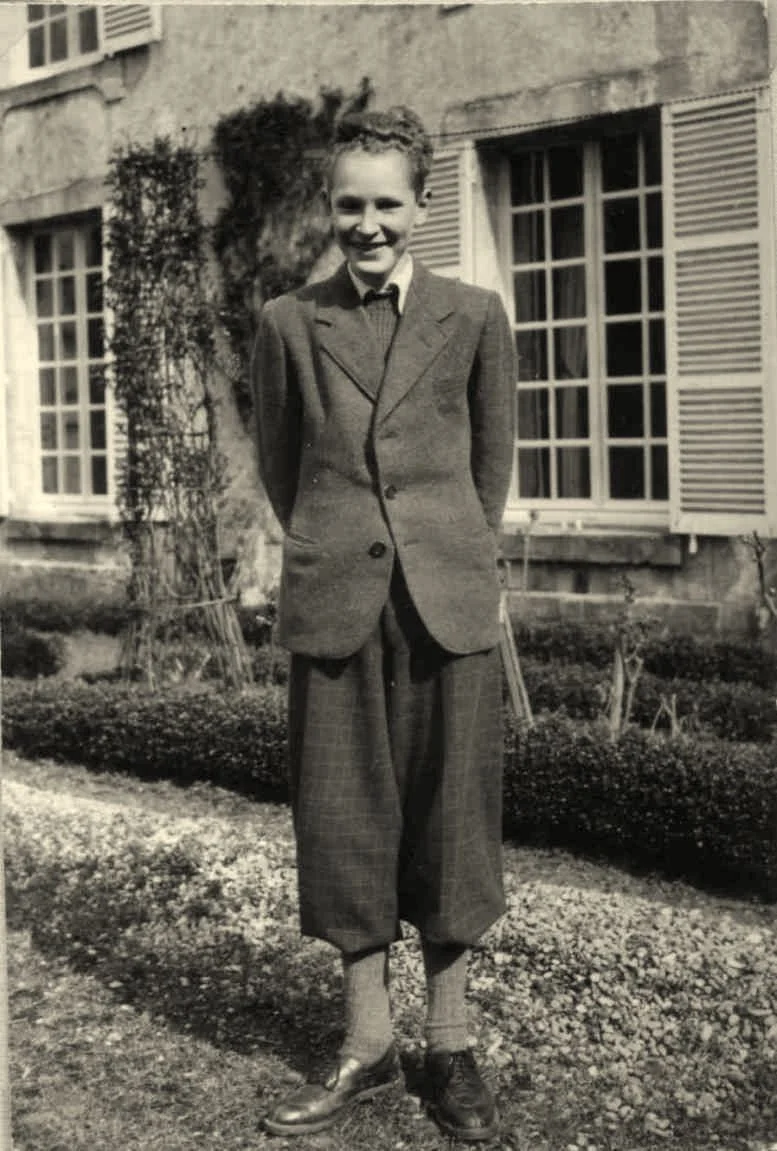
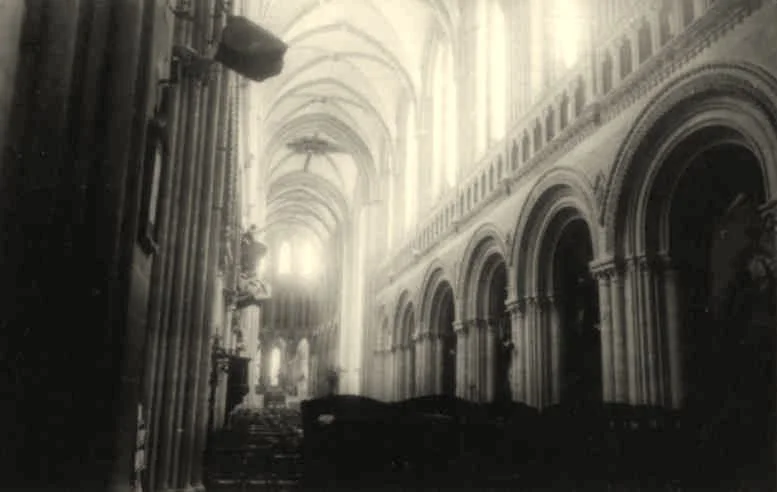
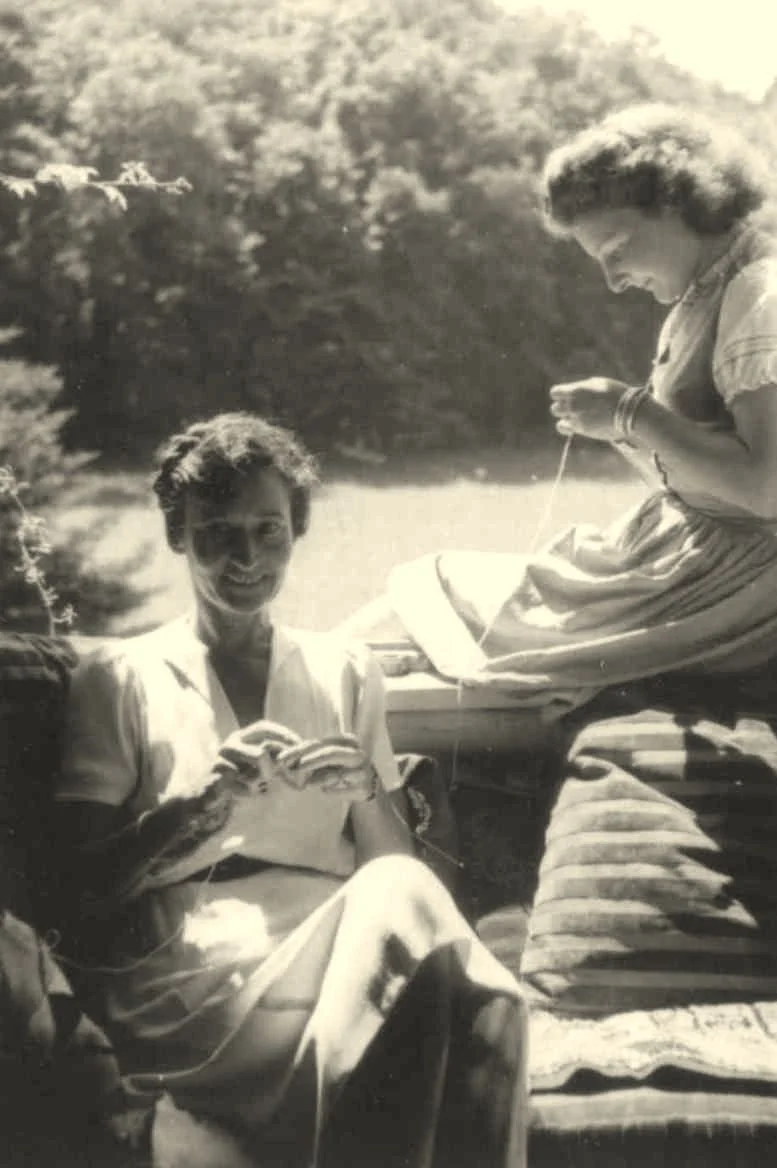
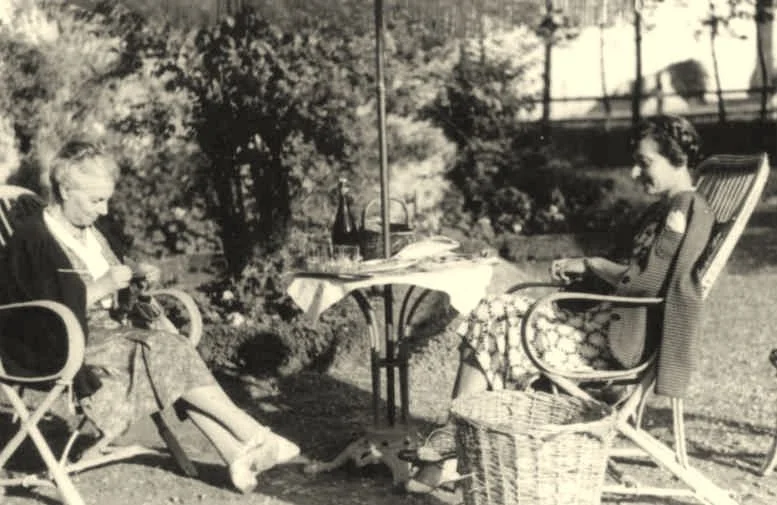
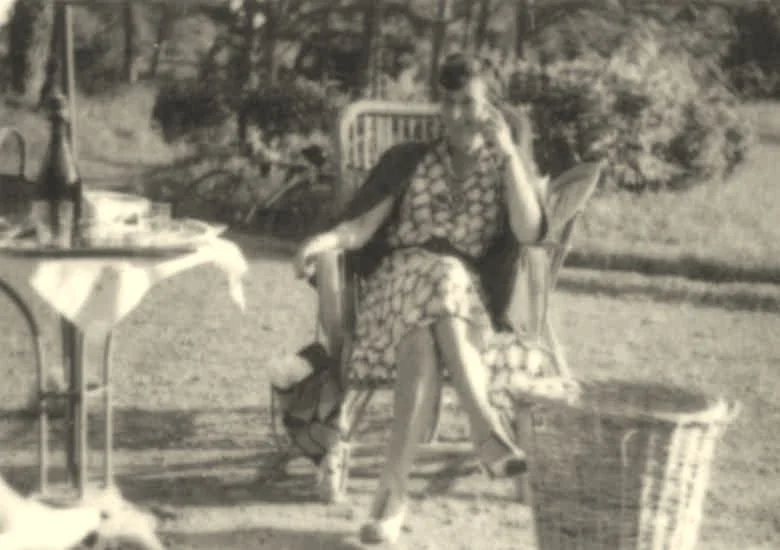
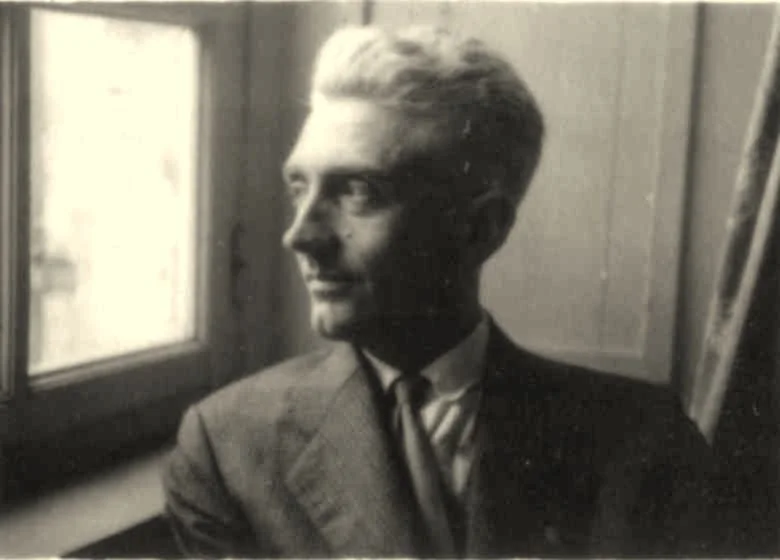

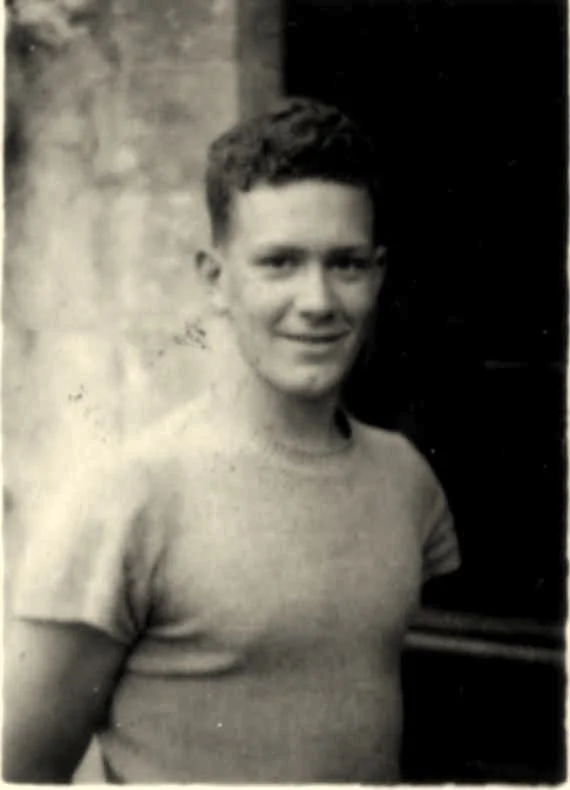


(details)
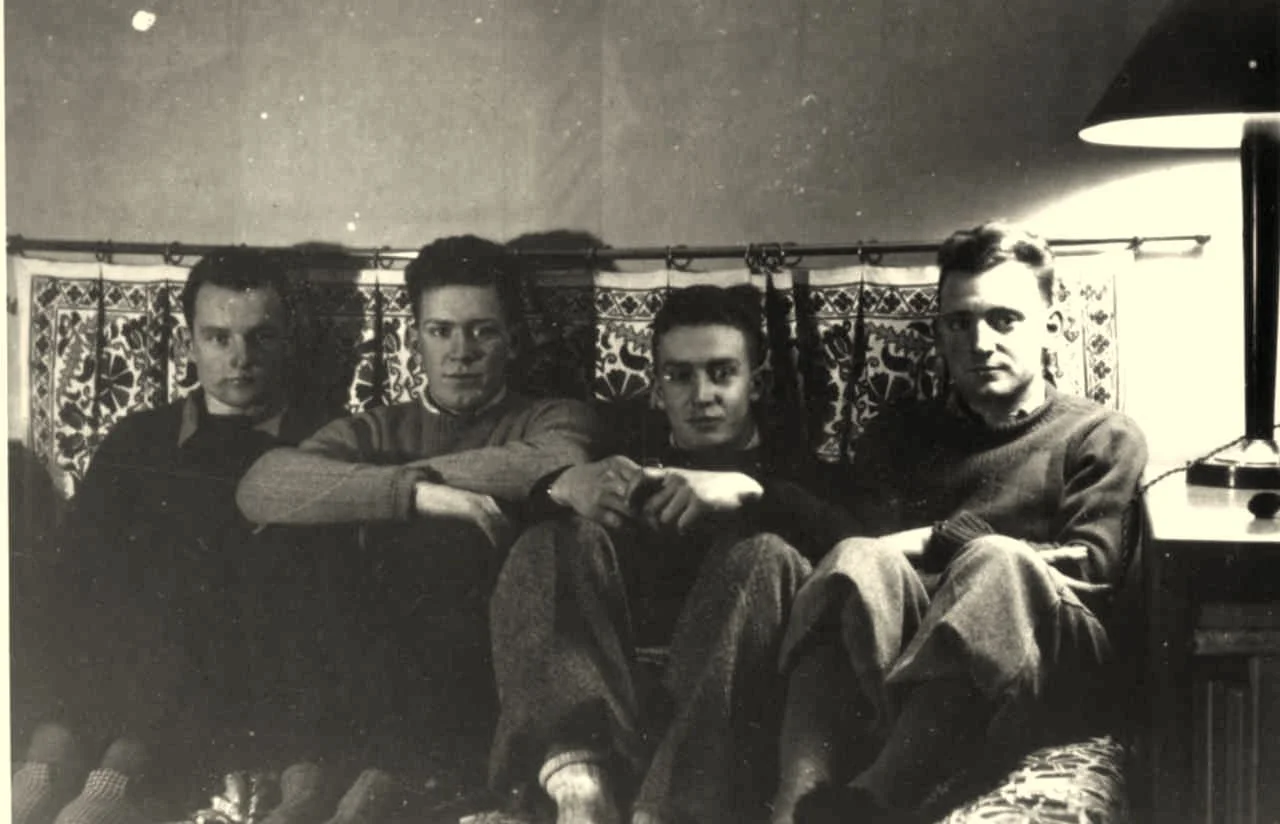
The four boys, probably in the second floor room.
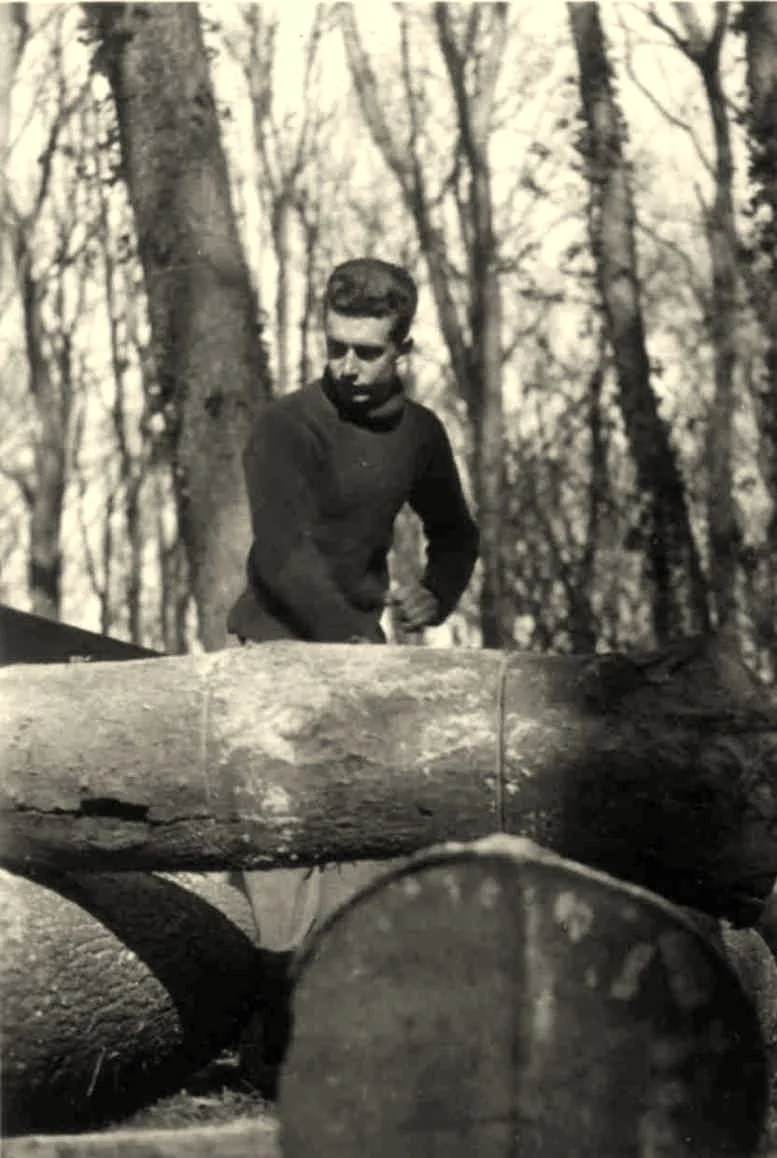
Michel with the cross-cut saw

Aunt Suzon, tied to the sundial behind the castle
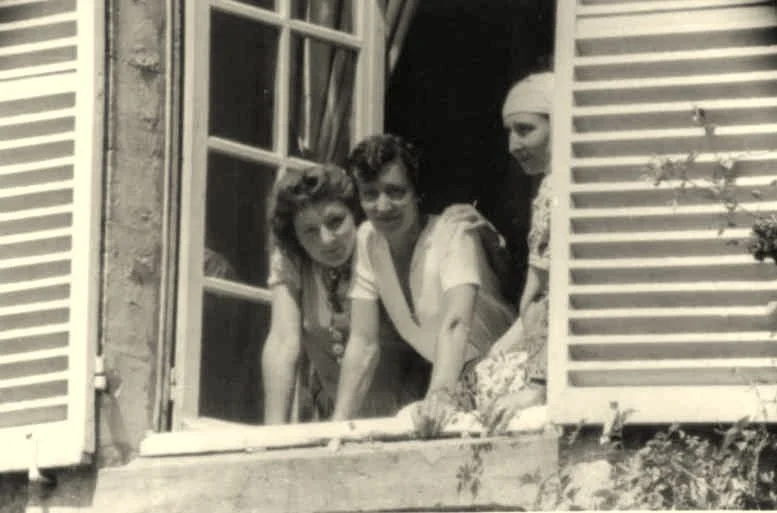
(details)
Brigitte, Mom and Aunt Suzon, one window on the south side
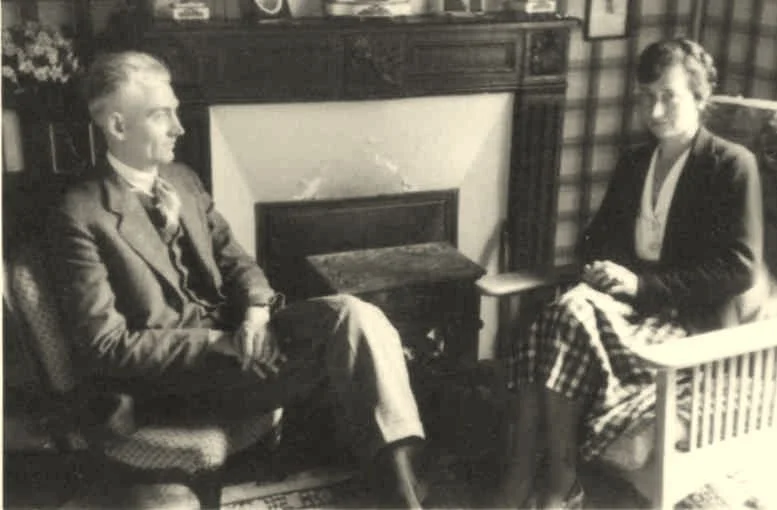
(details)
Dad and Mom, in the "little lounge"

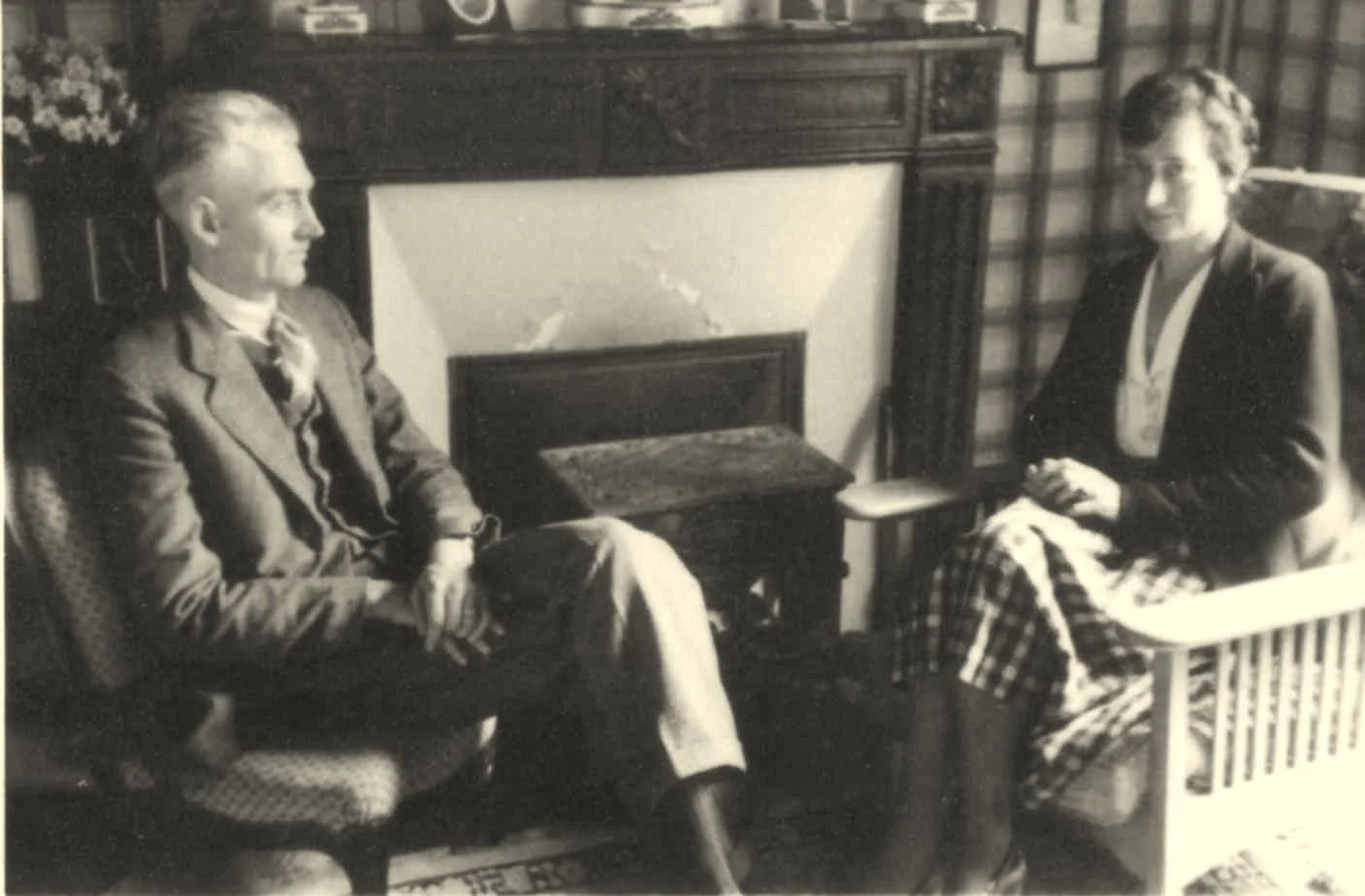
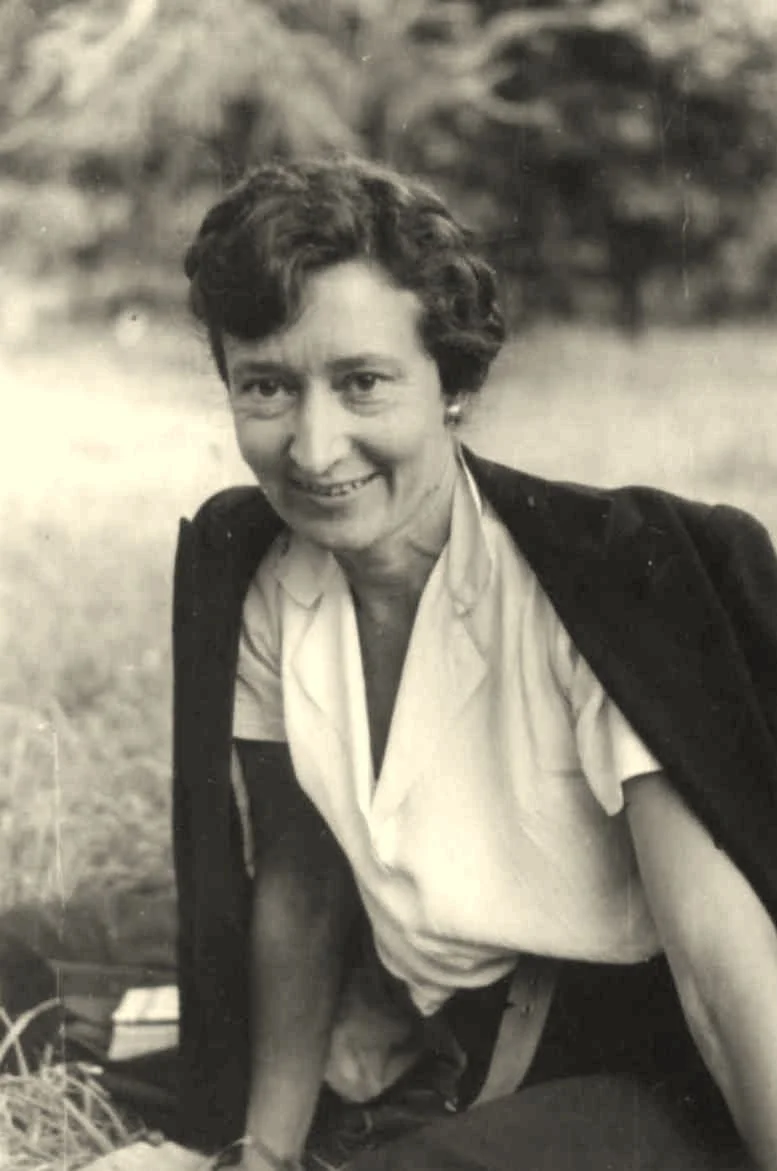
Mom

Good-bye, ma'am.

Yves
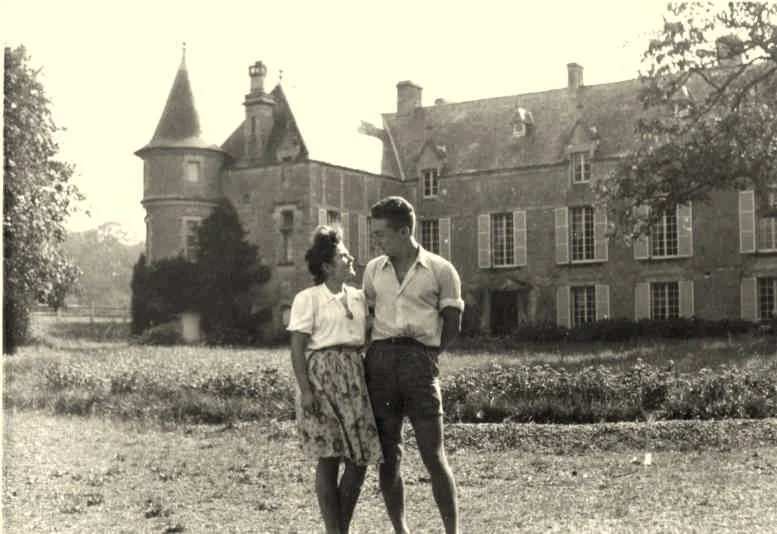
(details)
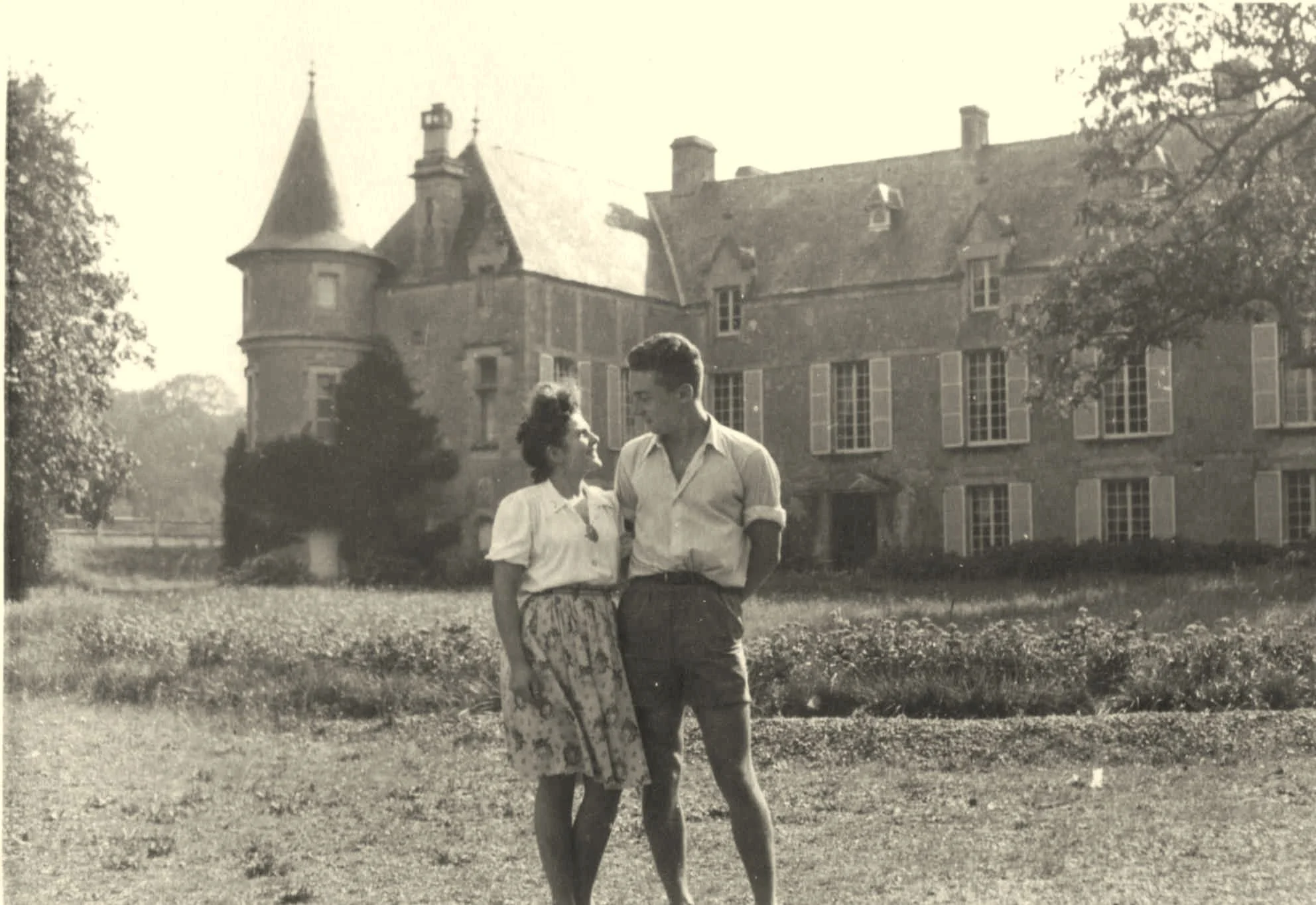
Michel and Christiane, 1943
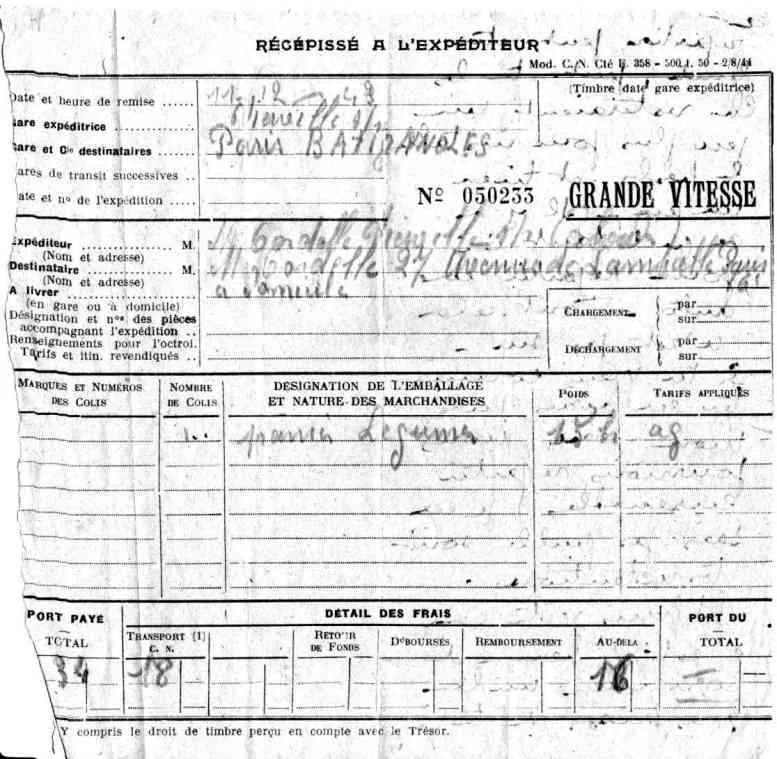
A shipping note of a basket of vegetables, by railway, from Vierville/s/Mer Calvados to Paris-Batignolles, delivered at home.
(details)
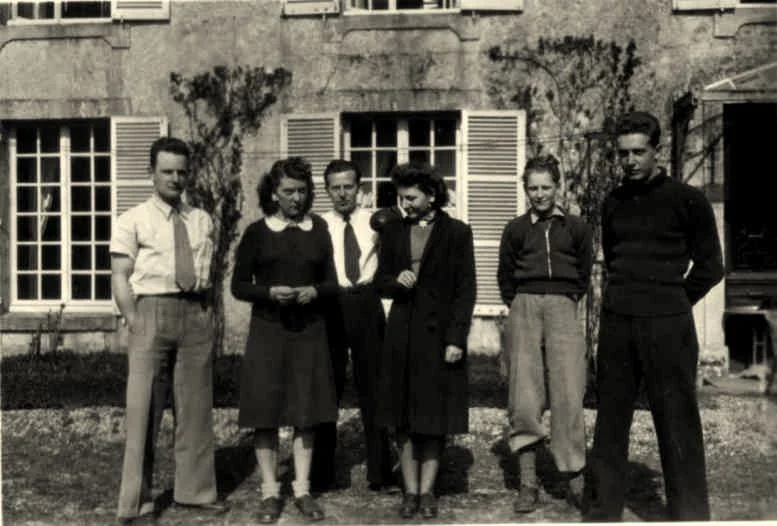
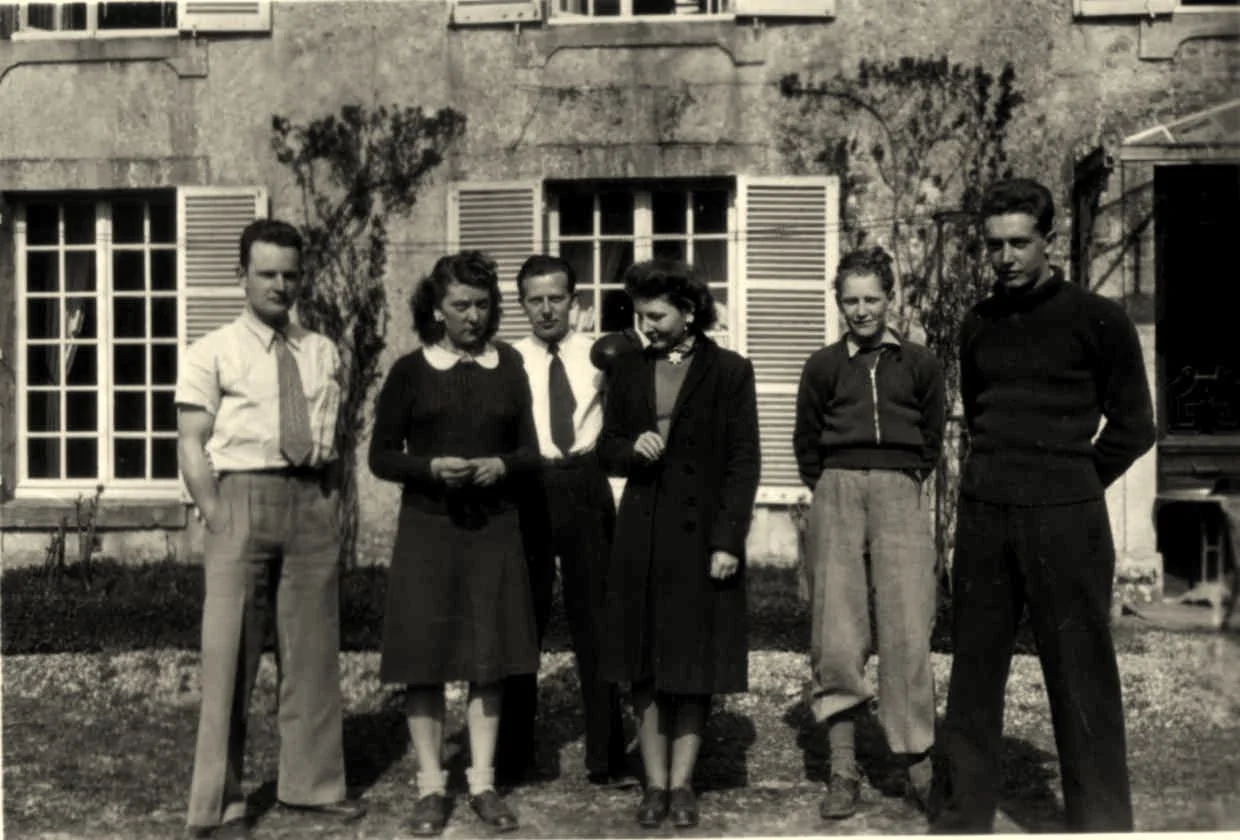
From g to d: Jean-Pierre, Isabelle and Olivier de Brunville, Brigitte, Yves, Michel
(details)
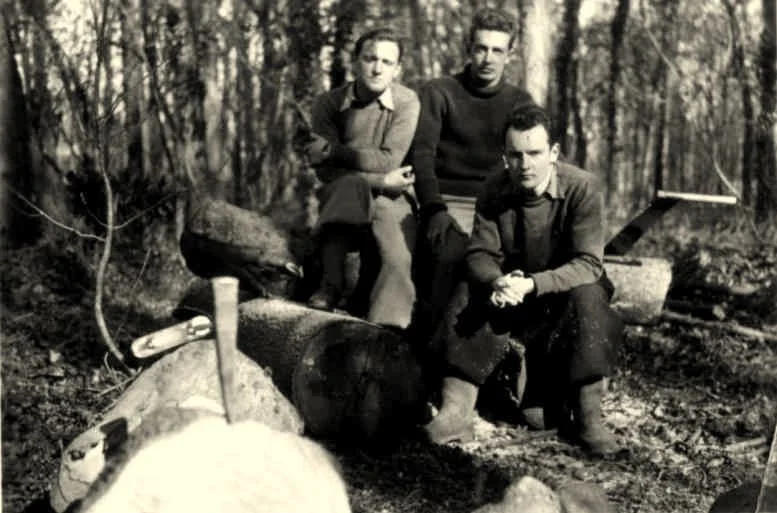
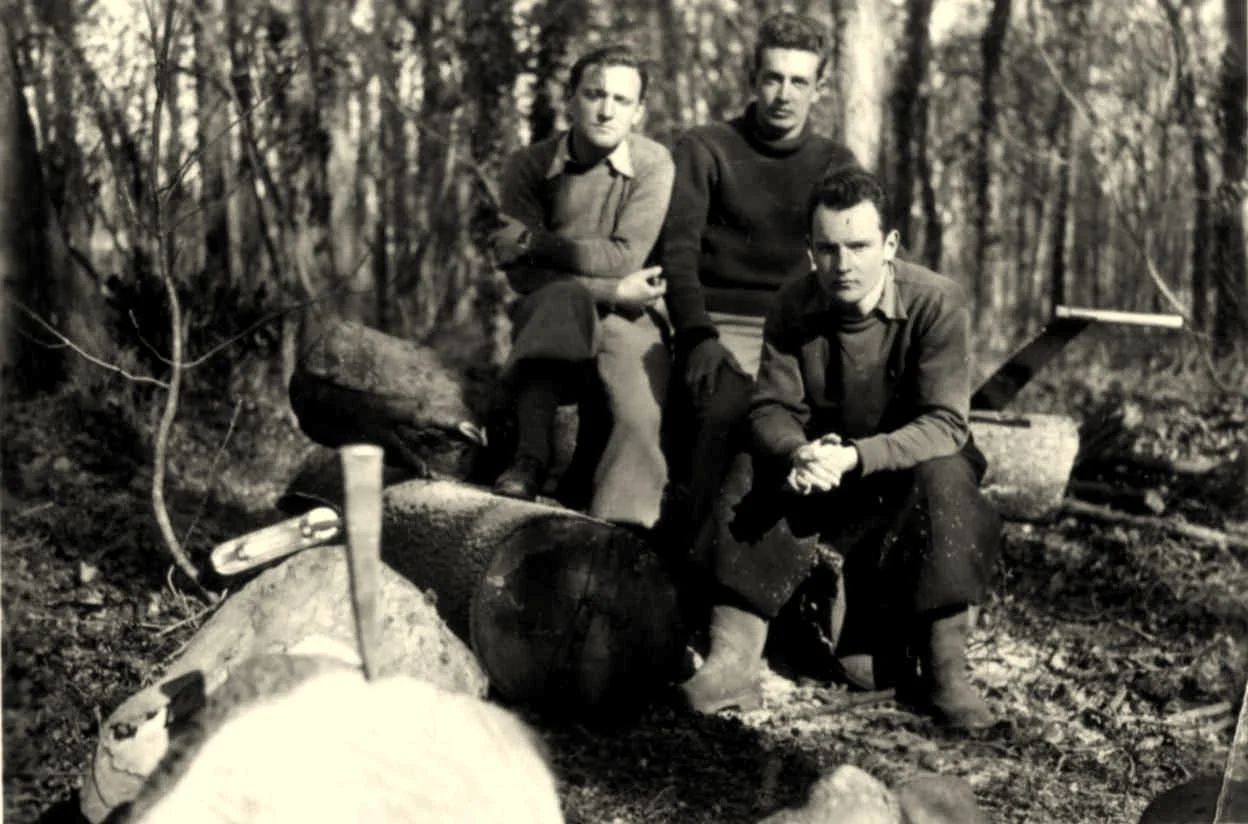
Philippe, Michel and Jean-Pierre, to break wood
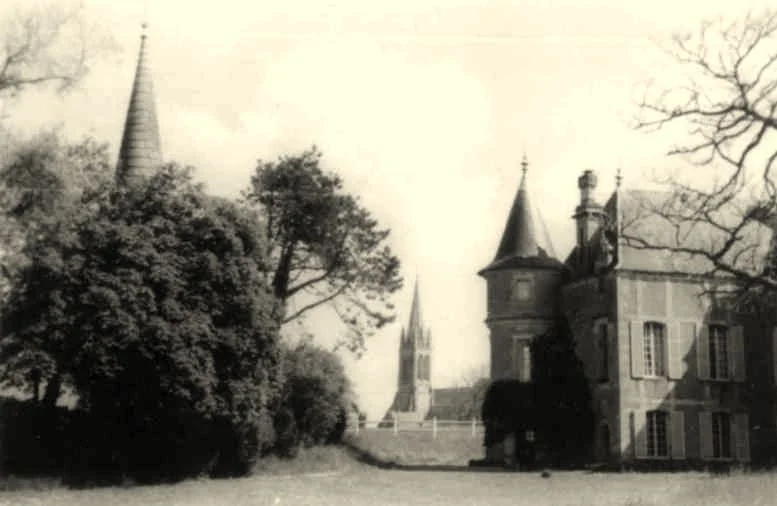
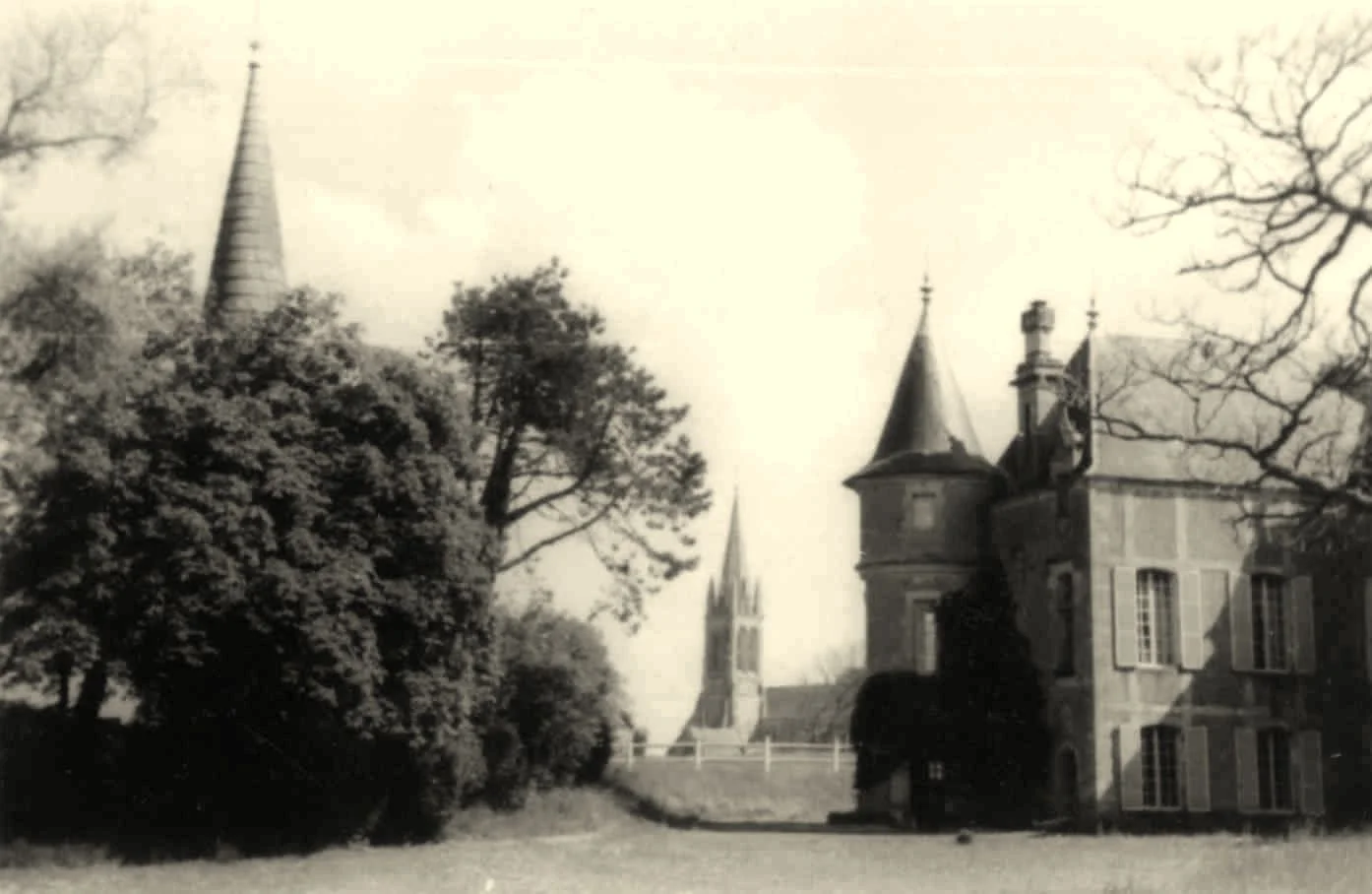
(details)
Classic view of the castle, with the 3 towers

Mother spinning wool directly from sheep farmers
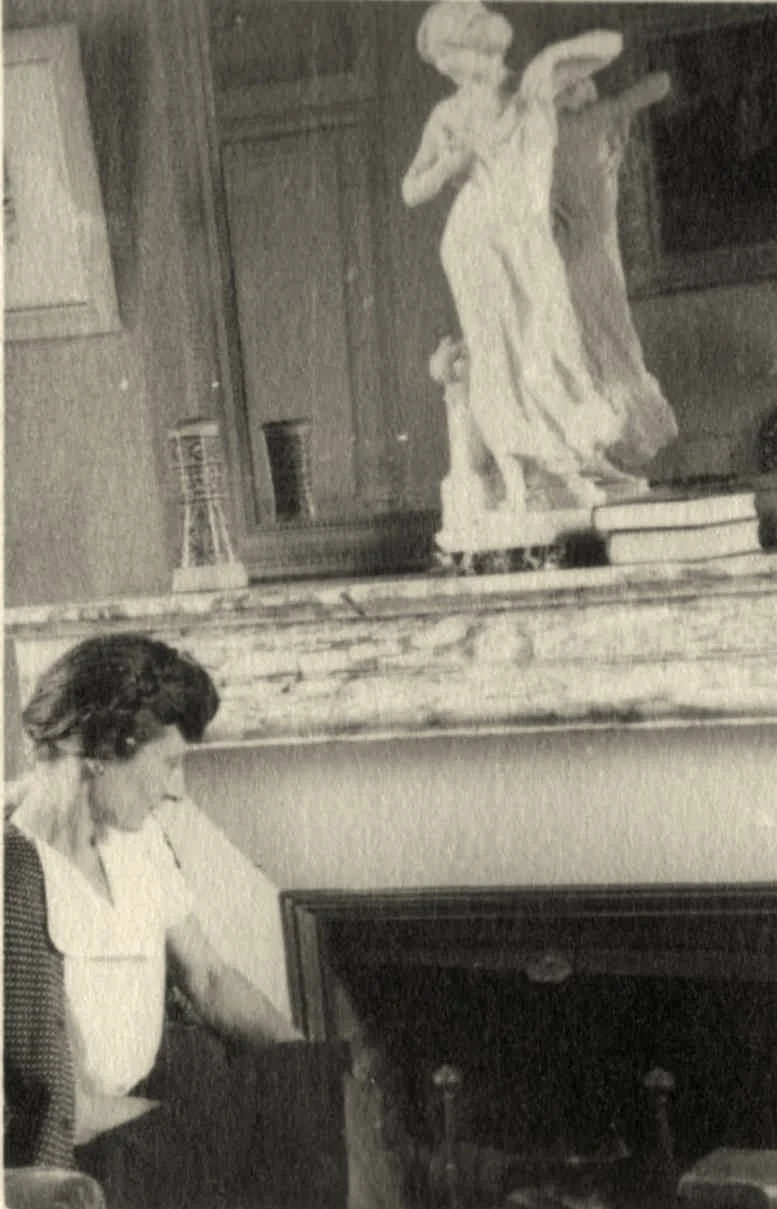
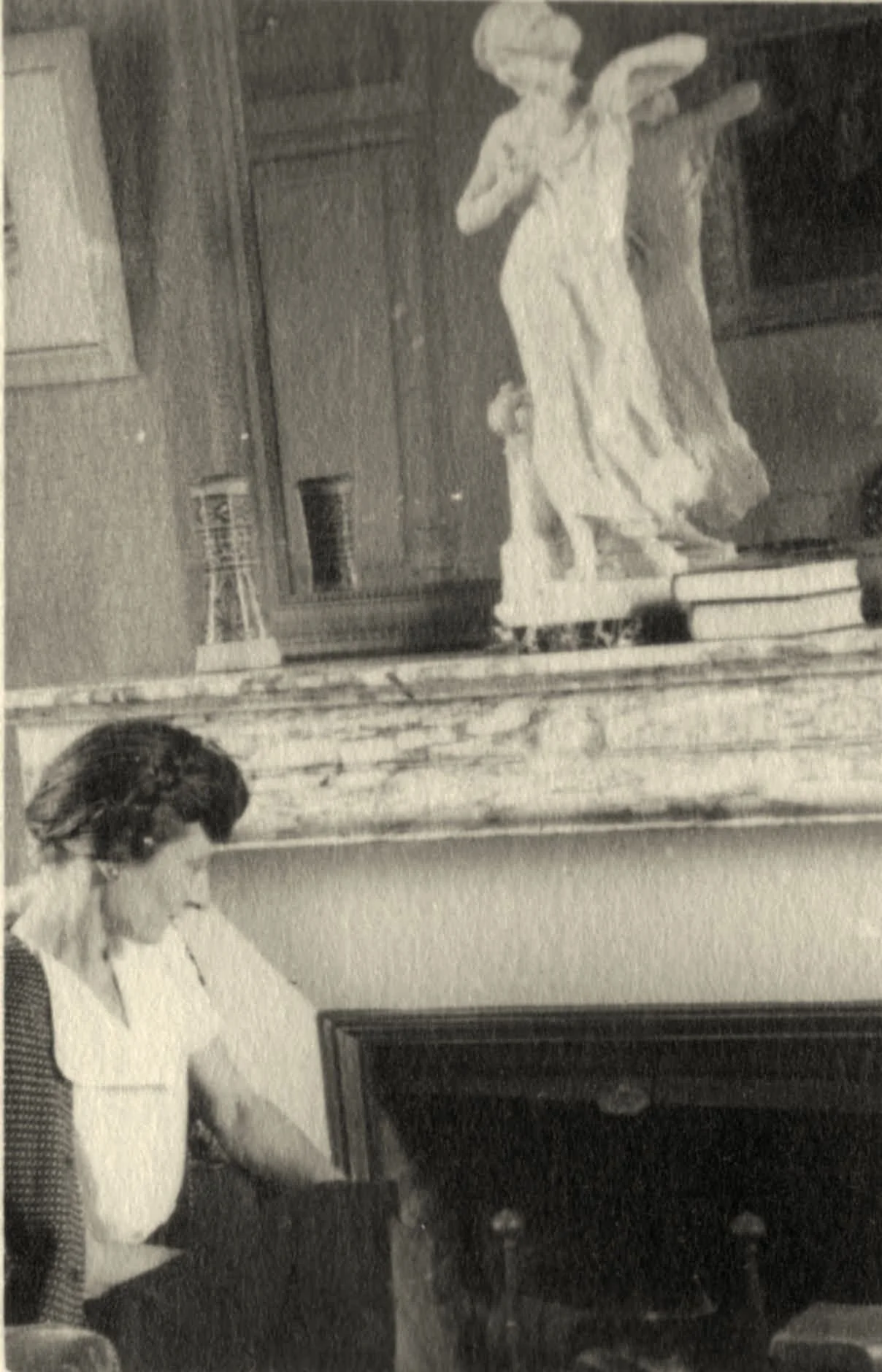
(details)
Mom, in the office.

(details), Lieutenant De Vries, his wife and son, in 1943, Switzerland.
De Vries was a professor of German letters, lieutenant in the Wehrmacht, who had stayed for several months in 1943 At Vierville Castle. He spoke very well French and friendships had developed between him and my parents and the Chedals, despite the war. Conversations with him showed that he had no illusions about the nature of the Nazi regime, the inevitable defeat of his country, and his next, and certain, death (he was transferred in winter 44 to Arromanches, and was killed there on the day of landing). He knew his wife, a Swiss citizen, and hoped that she could survive with her son in Switzerland. He believed that Germany would be dismembered after his defeat and would disappear permanently.
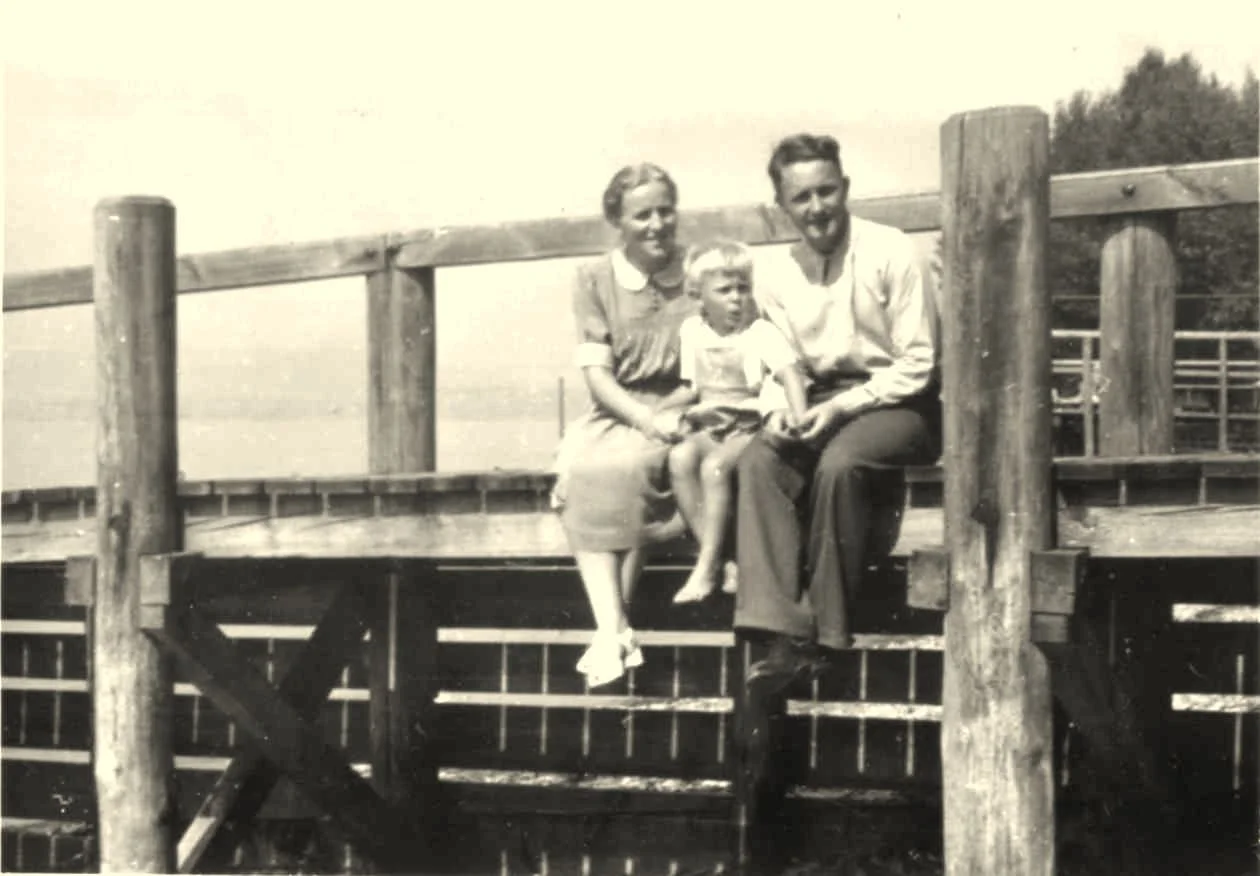
He was as well aware of the problems that these friendly relationships were causing in the family, especially with the big children who misunderstood this kind of "fraternization". As I was only 13 years old, I was still little concerned, but there was also a certain discomfort on my part.