


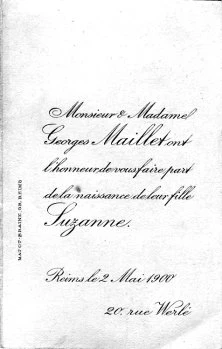
born on 2 May 1900 in Reims, died in 2005 in Mantes
Claude's mother
Childhood 1900-1914
510
" Suzanne - born on May 2, 1900 - attended the Lacourt-Gily pension Reims;
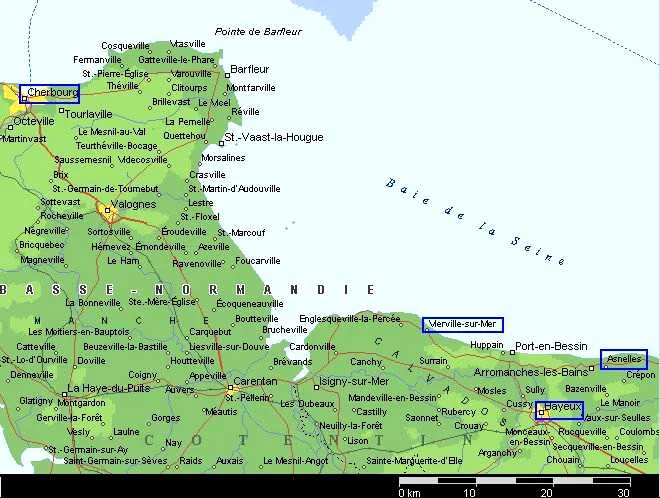
the war having surprised him in Normandy with his Uncle THIRION, she entered high school Cherbourg
until March 1915.
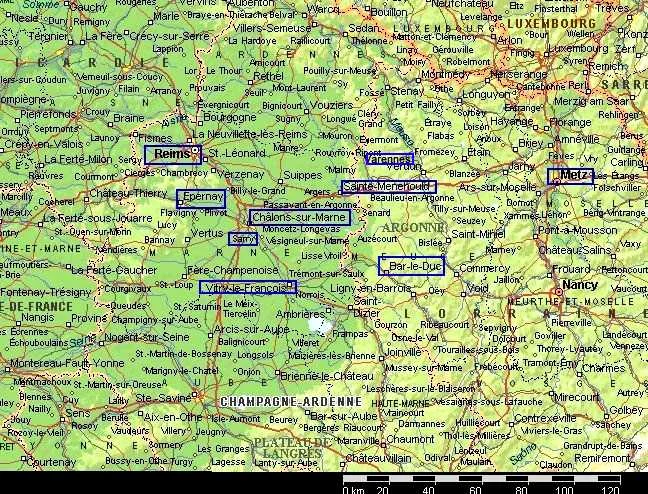
Epernay, she prepared her basic patent which she passed to Shawls
One day of bombing.
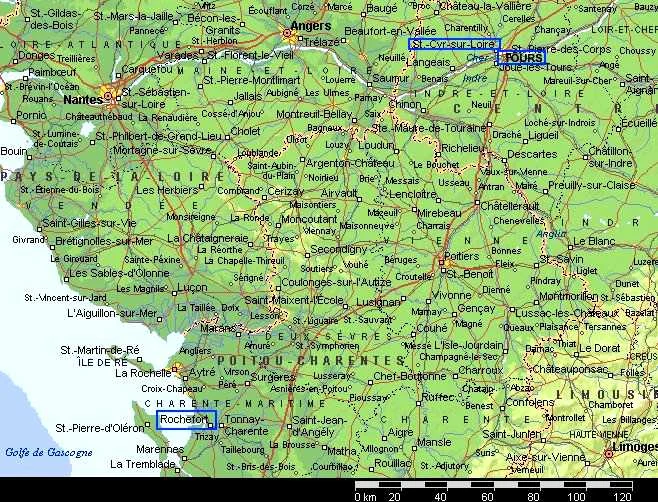
She then devoted herself more specifically to the study of drawing and attended the courses of the school of arts at Tours.
She married the Captain ROUGIER and she had two daughters, Fanny and Claude."
Memories of Granie by itself: "In the 19th century, the bourgeois could make a fortune, but at 45 years old, exhausted, my grandparents retired, one gave himself body and soul to his city, the other took care of his finances and planted us hectares of black pines and poplars.
The weddings were prepared by the notaries, they knew the dowries and fortunes. My grandfather looked at the possible husbands at home, he chose Georges MAILLET, my father, an engineer of the Bridges, the young people were introduced once, the MAILLET parents came from Chalons to Dampierre by car with a huge sheath of flowers in his chest and, furiously, the future had to offer it to my mother.
The wedding took place in November, life was easy, they were very happy. In Paris they go by taxi to Mercier and in two hours the furniture: living room, dining room, room, was chosen, cost 25,000F ( i.e. about 500000 F of today)
A ReimsMy grandmother had searched the little houses: two of them, a servant was held up and the carpeter came with his curtains.
My mother had 5 children in 9 years, but then the misfortune came, my father became ill with a painful paralysis, which intensified and lasted 23 years. I was 4 years old, my grandmother took me to Dampierre. I lived at her house, pampered by her and her two maids, but we were not going out of the garden and the village. There was Mass, sometimes a visit to Mr. Flaman, at the seamstress, and the arrival of Vonnette, we were like two sisters.
An event for me was the death of the pig. The women of the village gathered in front of the charcuterie, the beaten animal had to come out, and in front of the gutter, the carcutier planted a huge knife in his throat, it was a bullfighting with howlings of the beast, blood poured, applause of the women.
They trusted their difficulties: their man drank, "and you, Suzanne, what will you do?", "I will go to Venice and make him pass over the gondola to drown him." They had fun having me repeat it every time. I took advantage of the two stories my grandmother told me: a trip to Venice and the Flood.
I had been to school and had fun, my grandmother retired, I had caught lice! The teacher came home twice a week to teach me how to read and count.
When I was 9, I went home and Andrée replaced me in Dampierre.
Like the daughters of the bourgeoisie, I was sent as an external in a so-called "free" pension. Some women with a basic certificate (level 3) gave them their knowledge. Depending on the number of students, we stayed in the same class for several years, we worked a lot, but we did not learn anything, except history, however it stopped in 1789, and we began to baptism of Clovis, Christian France. On the other hand, we had to know the division of Clovis's France between his four sons, then of the four grandsons with their quarrels and murders.
My companions were nice and there were good friends.
Replacing the exiled convents (since 1905, all the convents had been driven from France by the state) we were trained to self-rule and resignation""".
""We came to Dampierre for all the holidays, welcomed with great kindness and kindness by our grandparents. We were drunk of freedom and made a thousand imprudent. We climbed to the trees, a neighbor arrived one day to my grandmother." René's upstairs. of the great poplar" Despite her anxiety, she came to dominate, giving advice to the unwise: " Come down, come down, be careful...".
We were walking in the river, walking on the roofs, playing in the barn between hay and straw boots, and my grandfather appeared "You poor little ones, get out of here."I think I can hear it...
At home, the atmosphere was nervous, ironic, it was their way of reacting, my father wanted to live and my mother wanted him to live, she devoted herself to it.
A painful tragedy came: it was the Great War, the greatest catastrophe of modern times. The men had to live in holes dug into the earth, throwing themselves against each other by bayonet, it lasted four years, interrupted by the arrival of the Americans.
We were patriotic, my brother René entered the artillery at age 75, and he was exhausted in October. Verdun,
He was charged with a 75 with some territoriality, and managed to be transferred to be an observer in the air force.
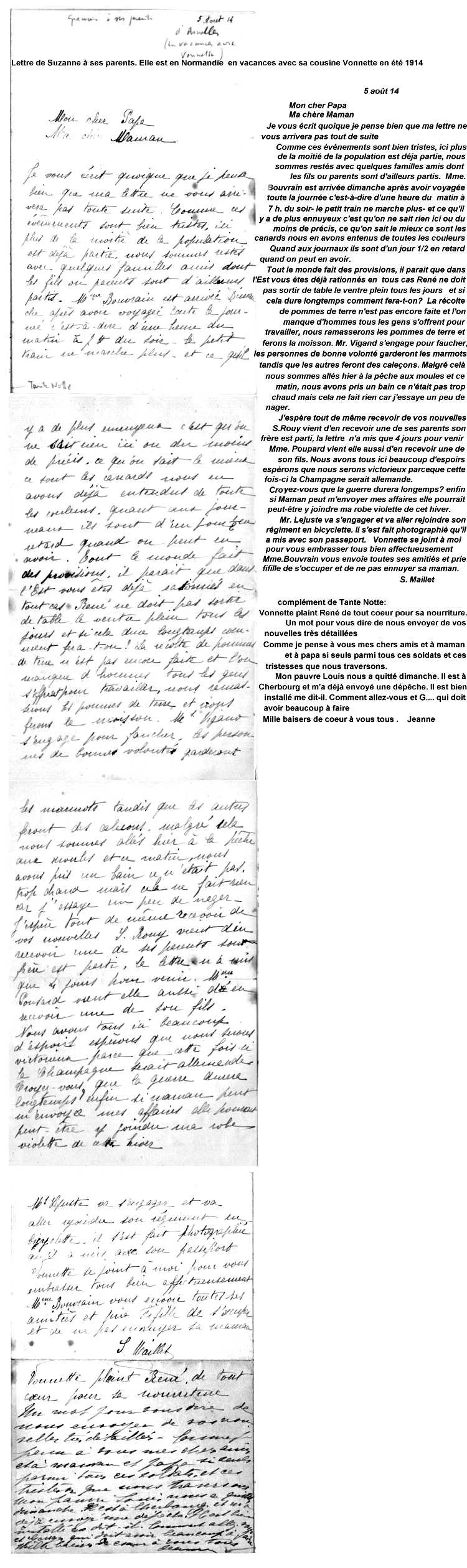
The entry into war found me Asnelles (near Arromanches, Normandy) in THIRION for a few days, (see "Journal" by Suzanne for days from 3 August)In October we followed my uncle, an interpreter, to the
CherbourgWe were put in girls' high school, my teacher was an associate, and in five months the intellectual horizon changed.
"""
"I joined my parents at Epernay
where my father was back from his front, and retired in October 1916 in Touraine.
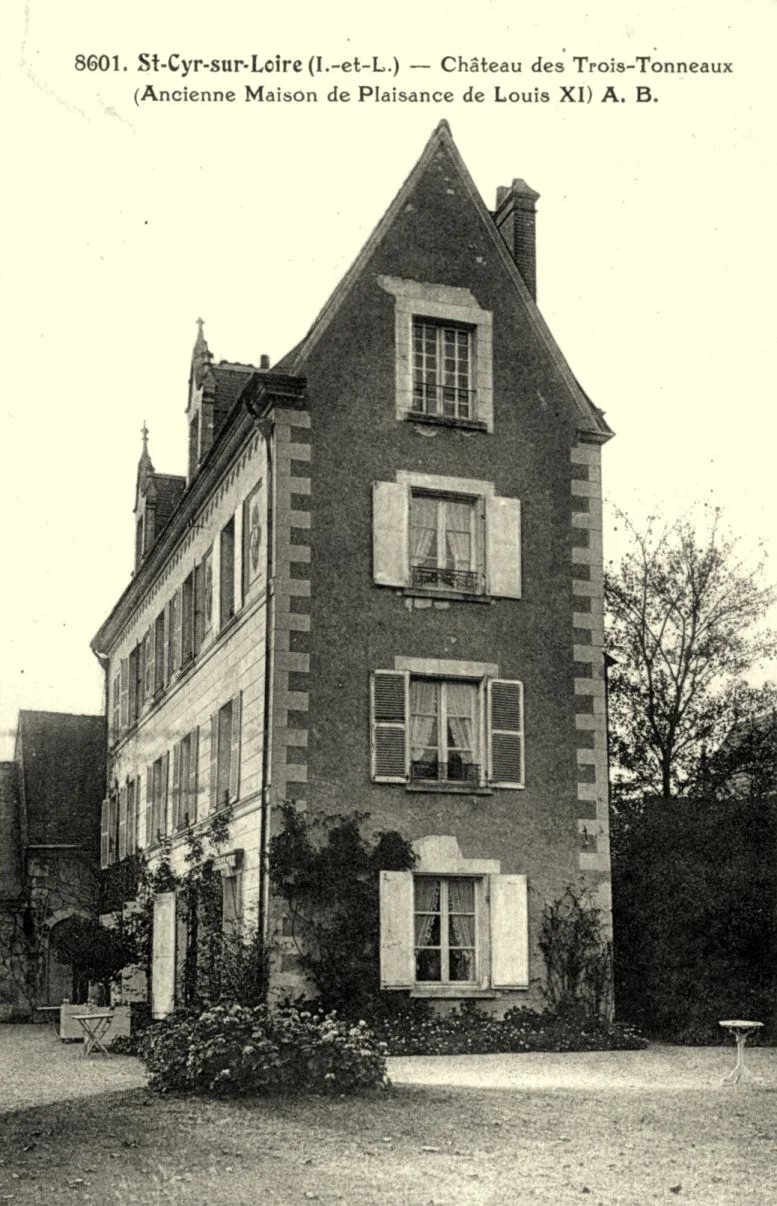
We settled in a small castle,(The House of the Three Tonnes, à Saint-Cyr-sur-Loire)
The war was tormenting us with isolation, the Spanish flu, it became sinister.
To take care of myself, after my father's treatment, I was pulling the needle or drawing at the school of fine arts, the teacher was an old engraver.
In 1920, my father wanted to get closer to Paris and he bought a house in Sceaux, my brothers were studying in Paris, they came on Sundays. A friend of my father's who was working on drawing made me know a workshop, I worked there for several years, sometimes it was very cheerful, the English came there.
I remember the fall of the franc in 23. Before the war, it took 25 francs for a book; the English, speculation, panic made it rise to 350 francs. The indignation was such that the teacher refused to correct the English, massaged in a corner, one of them, aged, his hand on my heart "each has two homelands, his own and France"!
Poincaré was called, within a few days the book was lowered by 100F.
Near the war, it was crazy years, financial scandals, women's empowerment.
My health was bad, I complained in vain, without radio we didn't see that I was having tuberculosis, a doctor ordered a vacation, four months to
LuchonHis air and sulphur restored me.
The THIRIONs were also tried, my aunt bought a house at Sceaux and Vonnette and I found our old brotherly friendship, thanks to which life was more cheerful with Andrée who was 20 years old.
We were old enough to marry, but one third of the bridesmen were missing, notaries were no longer involved, and it was the good friends of the families who imagined the wedding.
" The boy chooses, my father said, the parents judge and the girl obeys."
My aunt, she wanted the luxury for her Vonnette, looking at her: pretty, smart, worldly and rich, she had dreams and moved. She had her daughter choose a financial person who was of good family and seemed nice, despite Vonnette's opposition, the marriage took place.
At the age of 27, I decided from the first interview for an officer who seemed to me calm, simple, well-bred, good physical. My father opposed: the officers' balances were so small that we could not live, this time I was engaged, the marriage was made.
I had two babies on the second anniversary of our marriage, so I had to leave Seals for Strasbourg.
Sad period, Vonnette's divorce, René's death, Marcel's failure in Dampierre
(died of his first wife, chicken rearing).
After the French left in 70, Germans in 18 the Alsatians were "Self-employed", they said, askinga barrier"around Alsace. Those of the Strasbourgers who were more patriotic than we said" They will re-enact the war, if instead of educated diplomats and full of diplomas (Briand: "I come to you with a hand outstretched") you chose a simple Alsatian, politics would be better done.
My sister (Andrée) She never failed to come to me to help me, and to look after my daughters she loved. It was "the dear girls" that she was filling with toys, affections and kindness.
When I wanted to take over Dampierre, she allied with me and later offered me her share. Andrée, to whom I had served as a mother, returned him to me a hundredfold.
My wife, who was a 3 and 4 year old, demanded that my daughters go to school. Our Lady of Sion was 50 meters away, I found them a young girl of modern methods, and these children, without effort, one year after knew how to read, write and knit! One day the teacher missed, and I received her letter from Germany where she was imprisoned. The consul wrote to us that she was stateless, of Romanian and communist origin, from the bridge of Kehl, they found on her anti-Hitlerian and communist leaflets. I am pained in thinking that she ended her life in a gas chamber.
I attended my grandmother's funeral in Dampierre, where I arrived early, and found Henriette, the maid who had served us for 35 years. Like all the people, she was born to work, she worked for us without counting, keeping the house in 14, when the family had emigrated. I realized that we had been the purpose of her life and her attachment. She then told me, in the house so abandoned and the garden where she had worked so much: "You must come back, remember Dampierre."
I realized that her work life for us, she loved her, and she wouldn't want her to be abandoned. She impressed me and was a help in my decision to take back Dampierre.
In 36 Dijon, very well installed in a modern apartment, I had made purchases, old and modern, it was good.
As in Strasbourg, I had to follow the worldly life of the Army, and I was in a state of difficulty, with the receptions and daily visits of the first quarter, bridges, dance parties, and dress up with the sales of the seamstresses!
We were dancing on a volcano, Maurice, of the 2nd Bureau, knew for six months on Hitler's day of entry into Poland, we thought he was calming down in Münich and no one wanted to believe in a new war.
With hindsight, this new ordeal was less painful for us Frenchmen than the war of 14. Of course, two million men were prisoners and worked in Germany, the occupied North area, arrests (but we were lucky that stopped - in Nov. 42 - Mauritius was released), lack of food, shortage, humiliation...
We cannot forget the lives of the martyrs of the 1 million 1/2 who died in 14 and the Spanish flu. I reach 100,000 soldiers May-June 40, 160,000 in the gas chambers, 50,000? to the Liberation in the civil war of the militia and the resistance (this according to Raymond ARON )
The life continued as well as it was wrong, it was necessary to set itself after nine years of wandering, Maurice agreed to Versailles A rather varied, not funny, surveillance station that lasted 10 years, but I liked it, we had gathered, found our furniture in an apartment in front of the King's Garden in Versailles.
I loved this interesting city, my daughters finished their studies and got married...
The retreat came, we found ourselves staying, it was a very good period, about twenty years, with trips abroad, spa treatments and Dampierre that I was restoring.
For many years we have tasted the calm, the stability, the joys of our families, the joys of our children, the well-received births.
Mauritius left us (1974), then Tandree (1985), then Vonnette (1987). We can never forget the October 88 drama...
Here I am at the head of a long line: 7 grandchildren who were given to us by my daughters and their husbands, they got married in turn and I am happy to see my great-grandchildren born and known. I hope that all this little world will have health and courage in tomorrow's Europe.
Will I end up as Maupassant? He makes an old woman say, "Life, you see, is not as good or bad as you think it is"
Granie - Feb 89 - ""
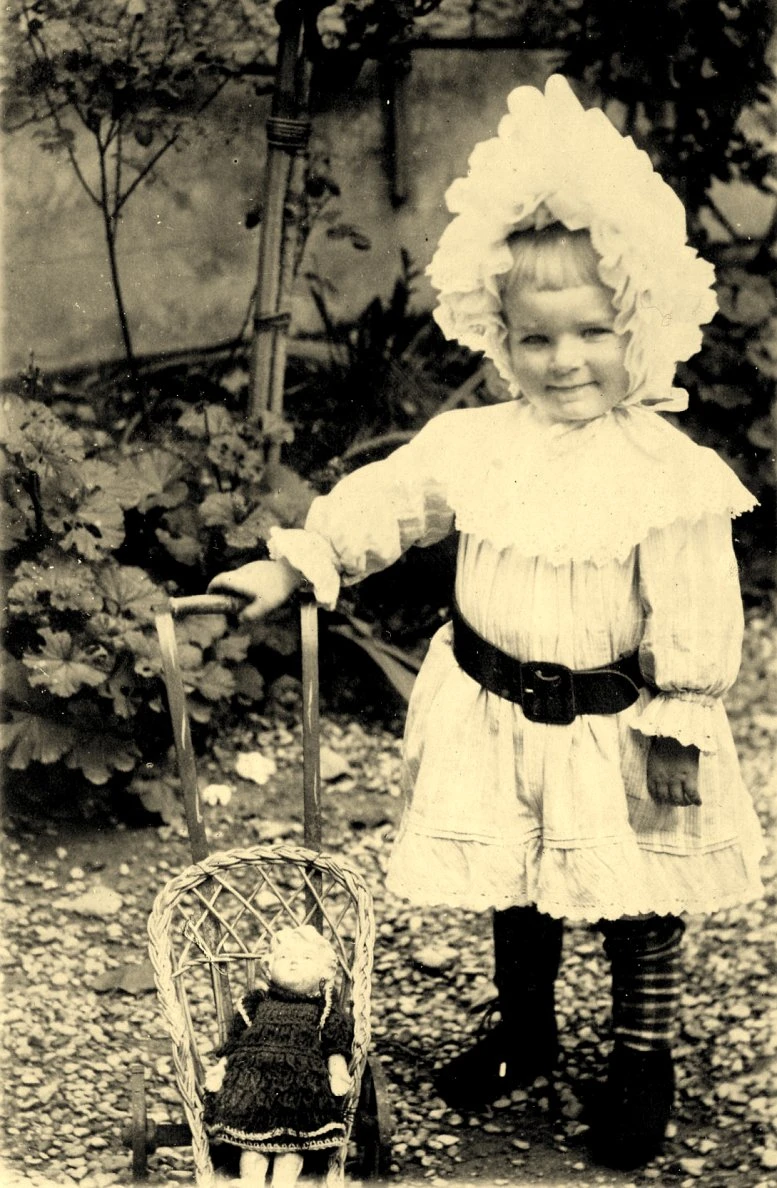
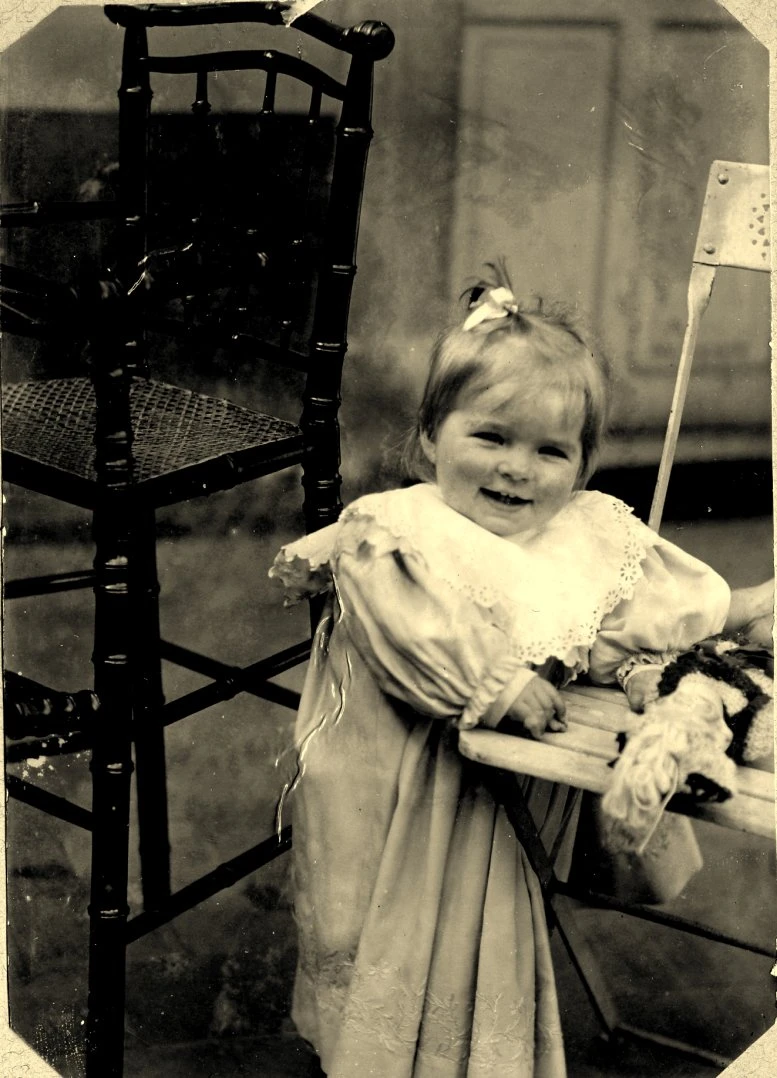
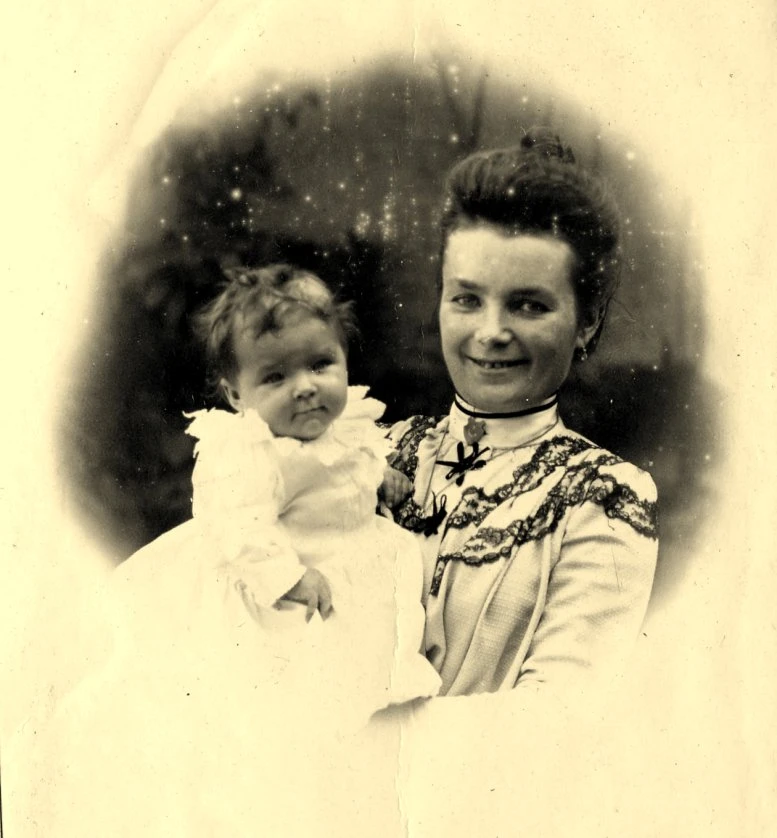
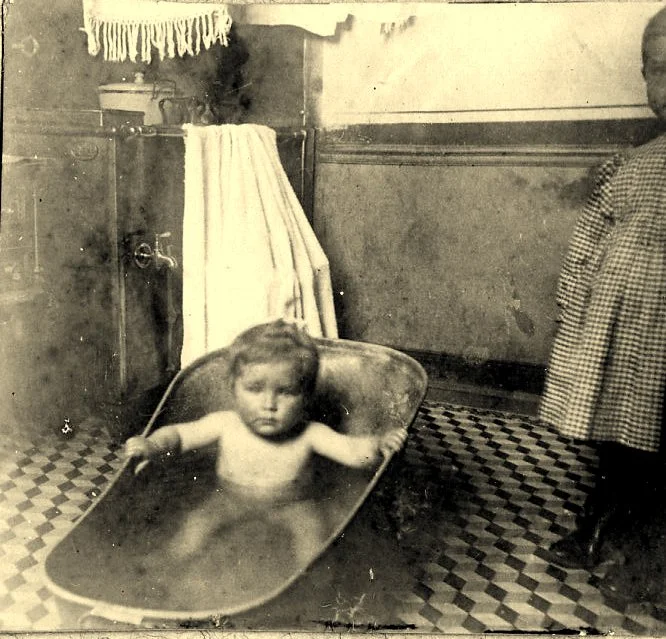
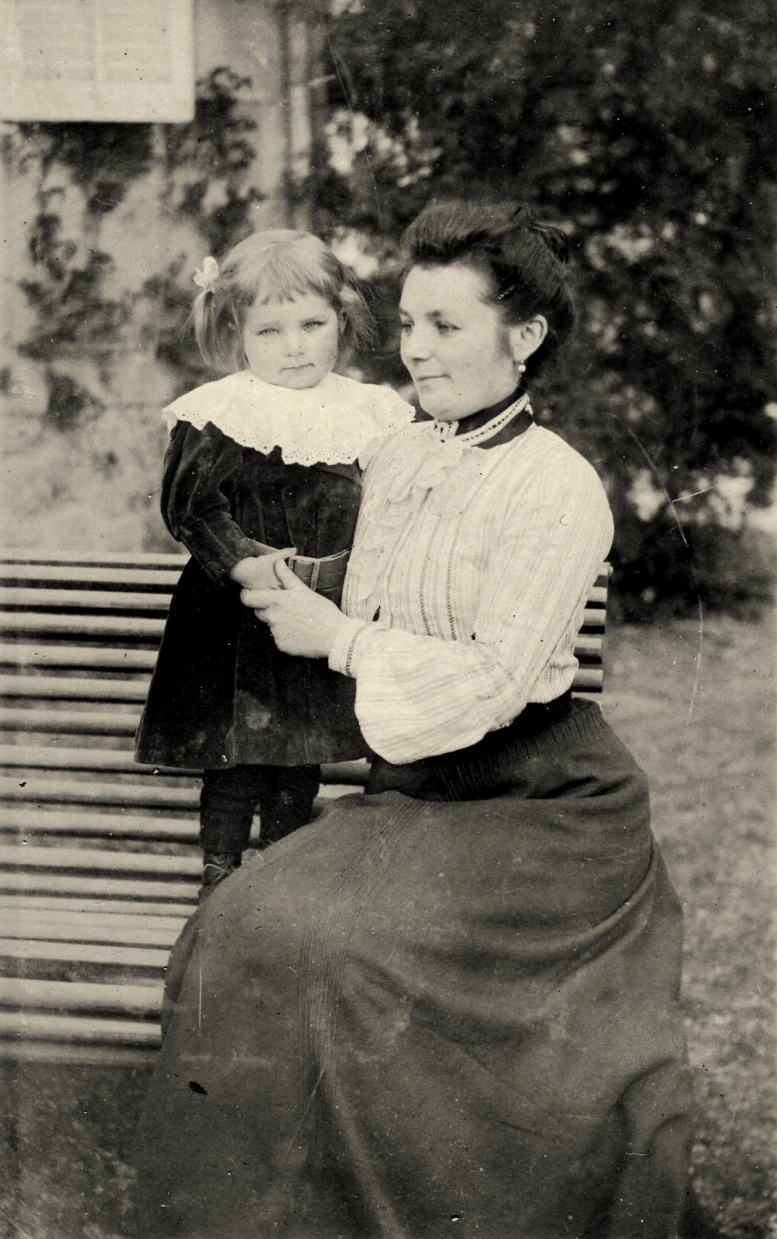
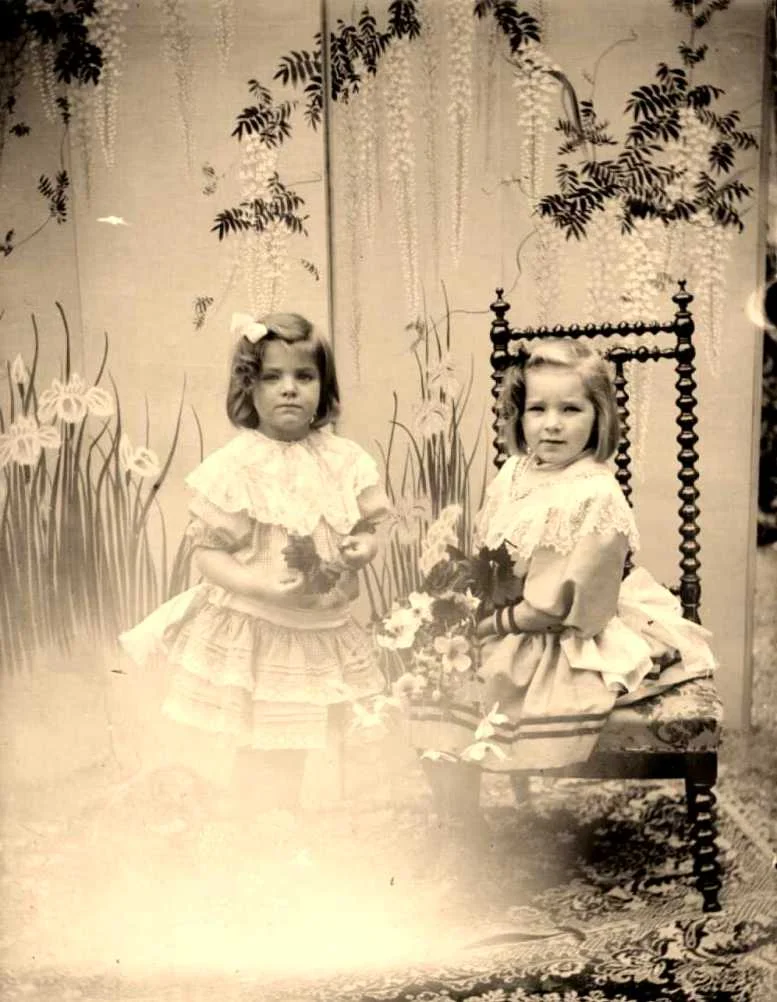
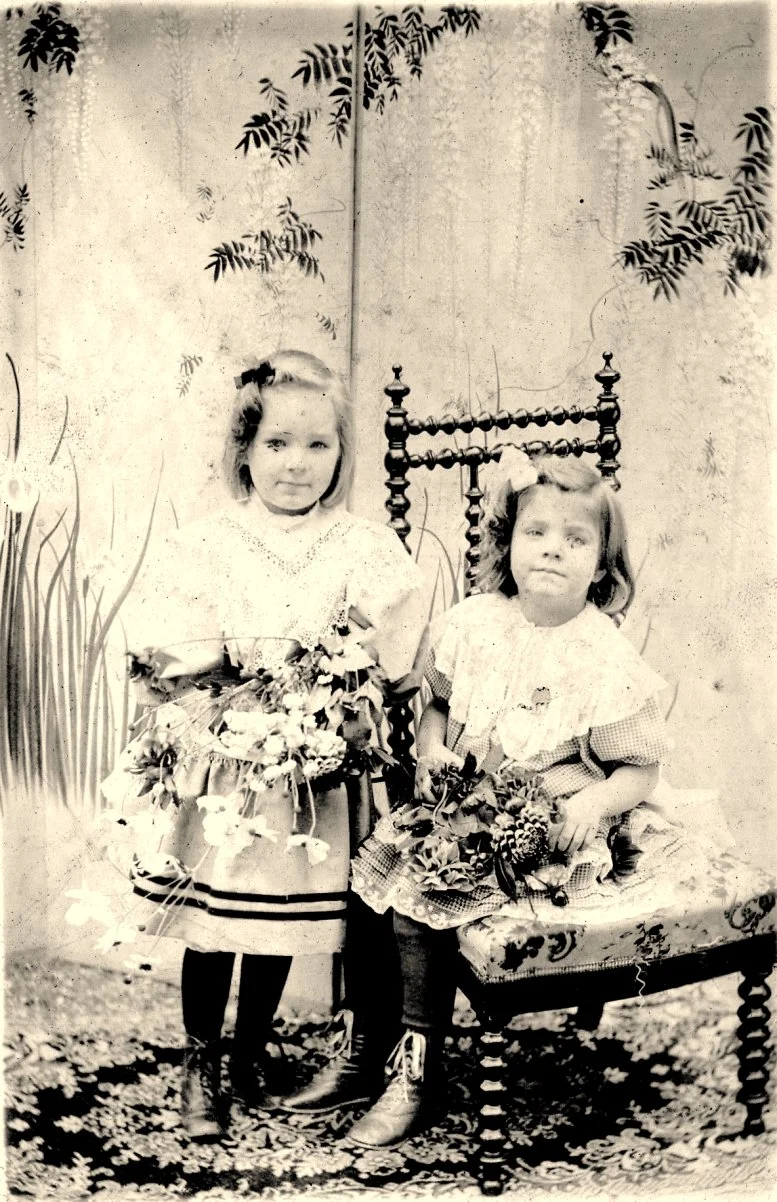
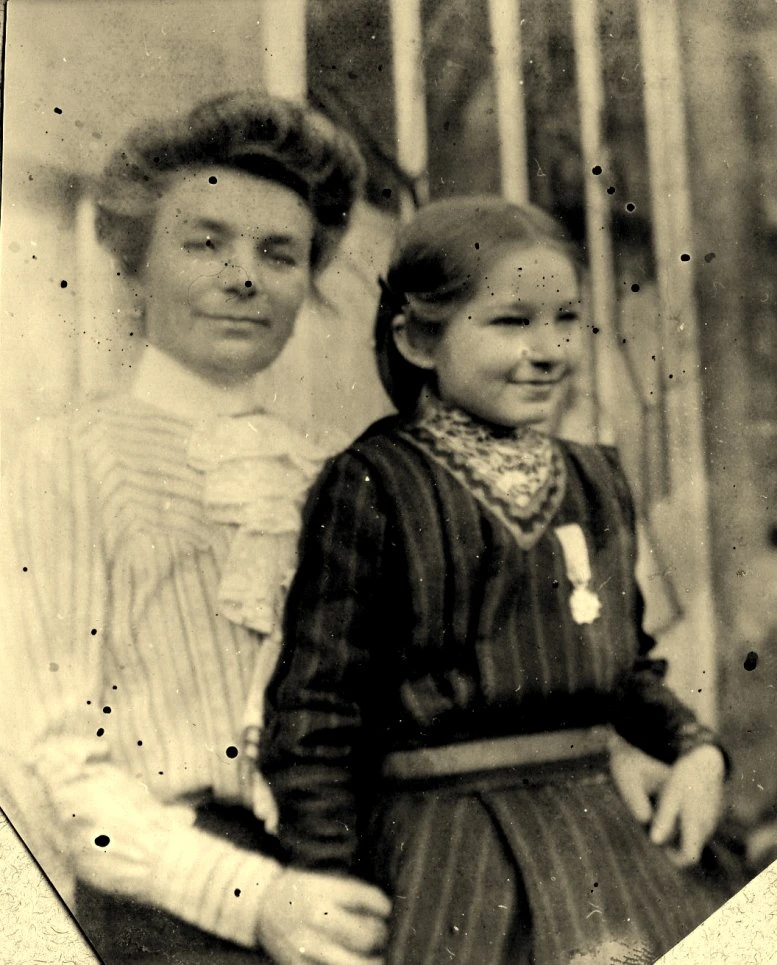
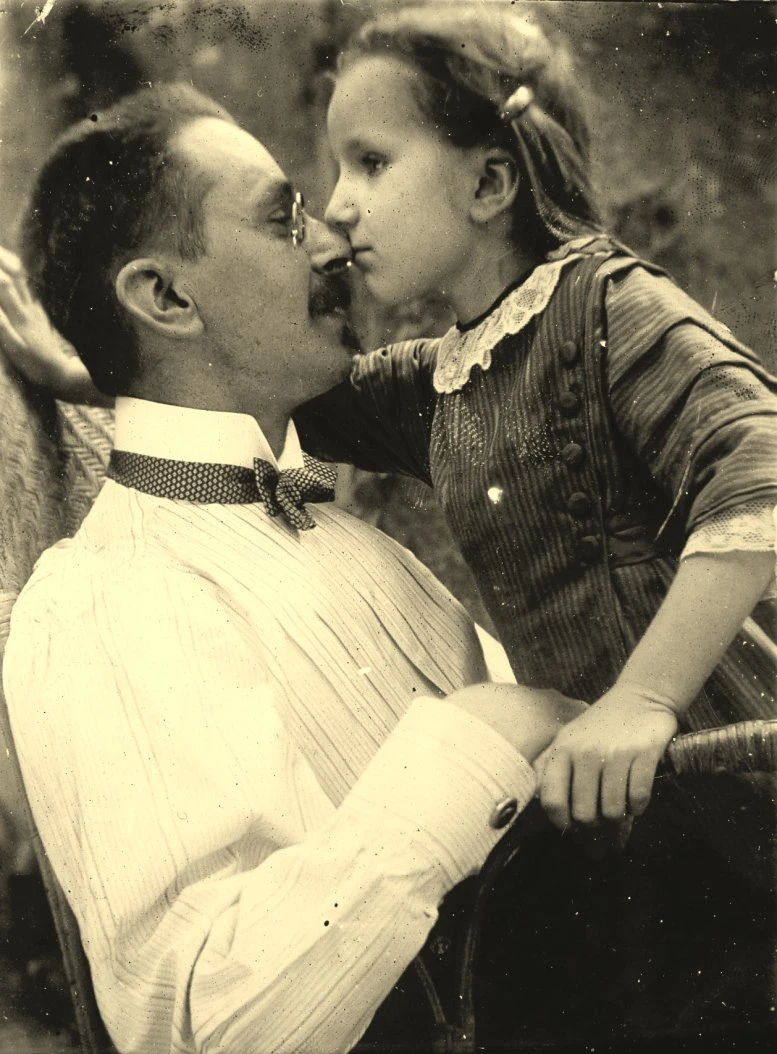
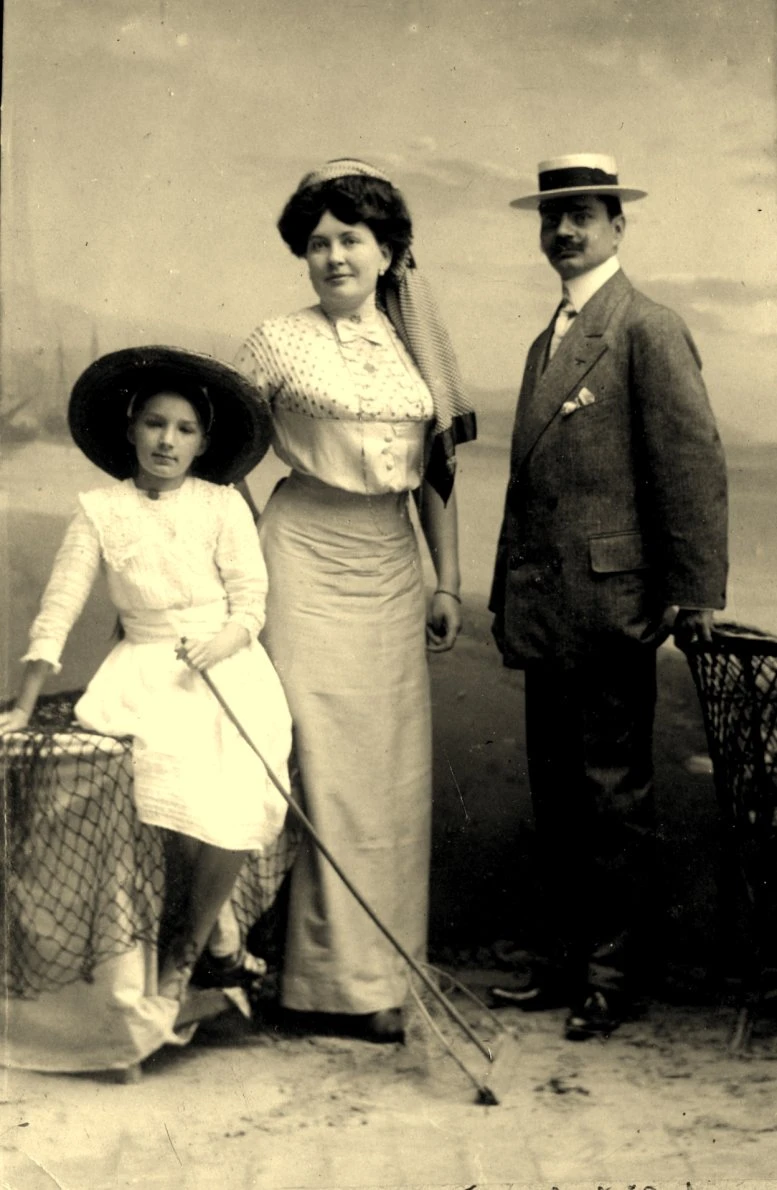
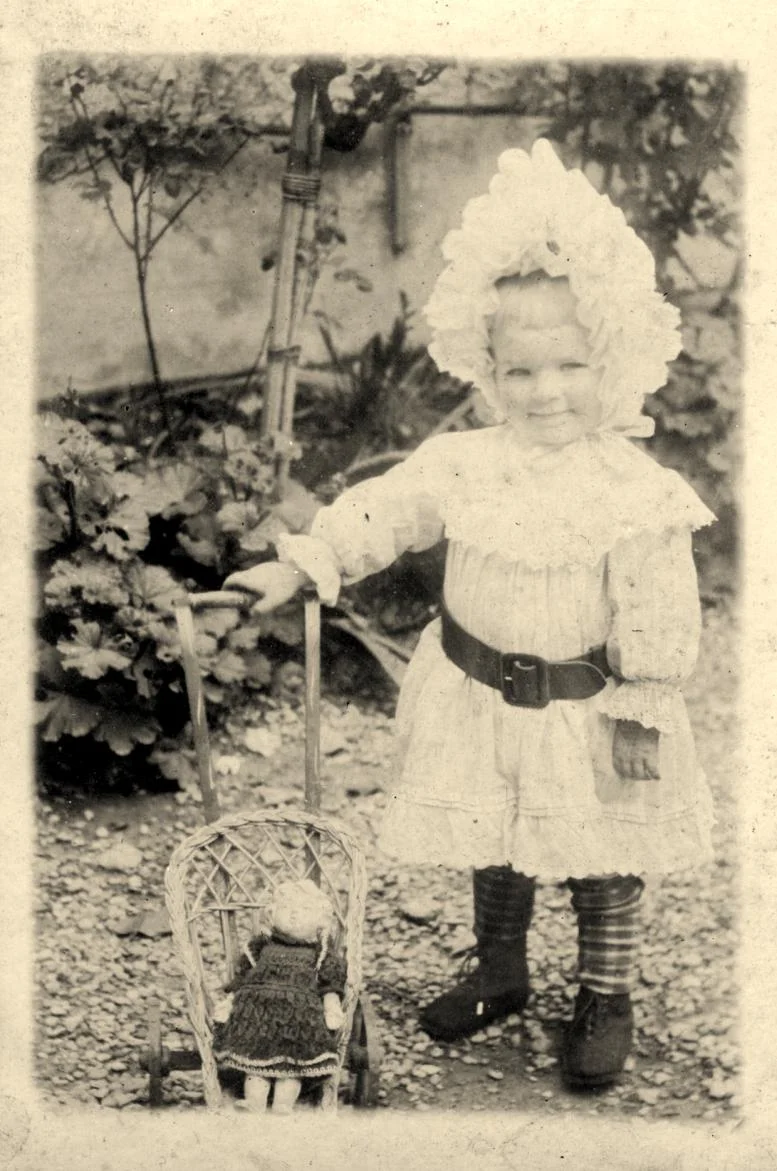
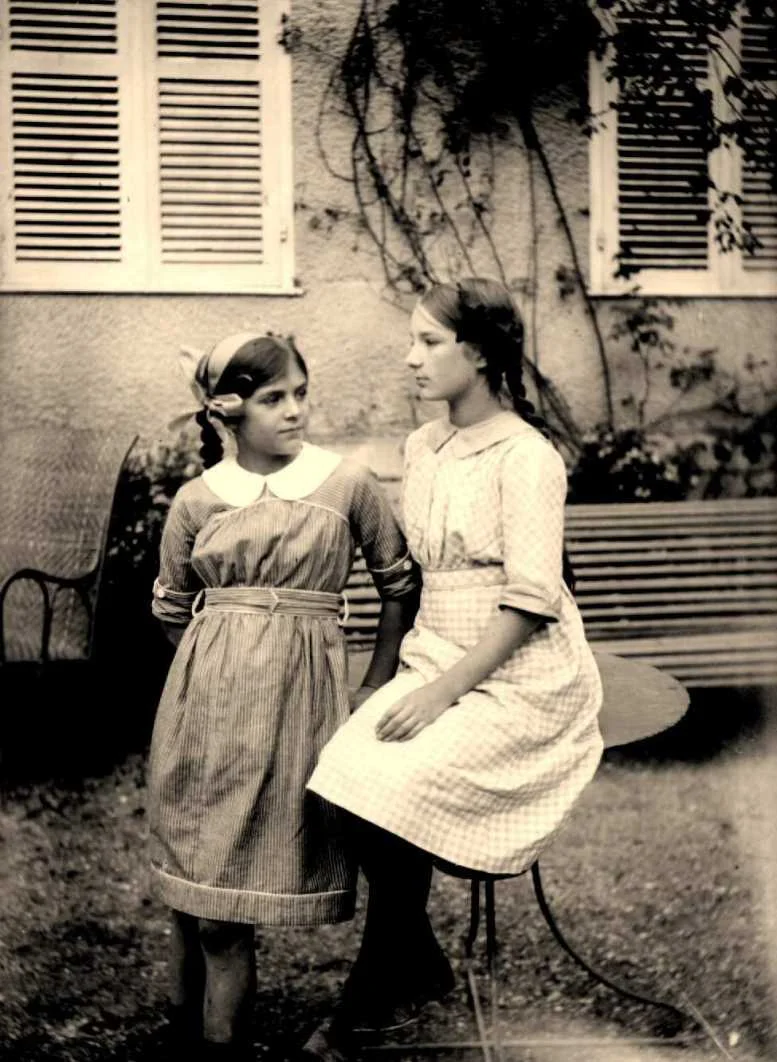
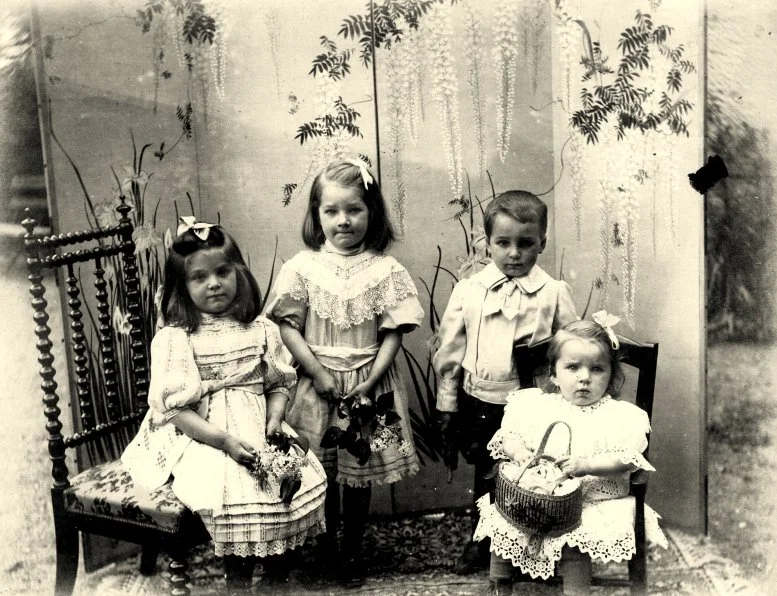
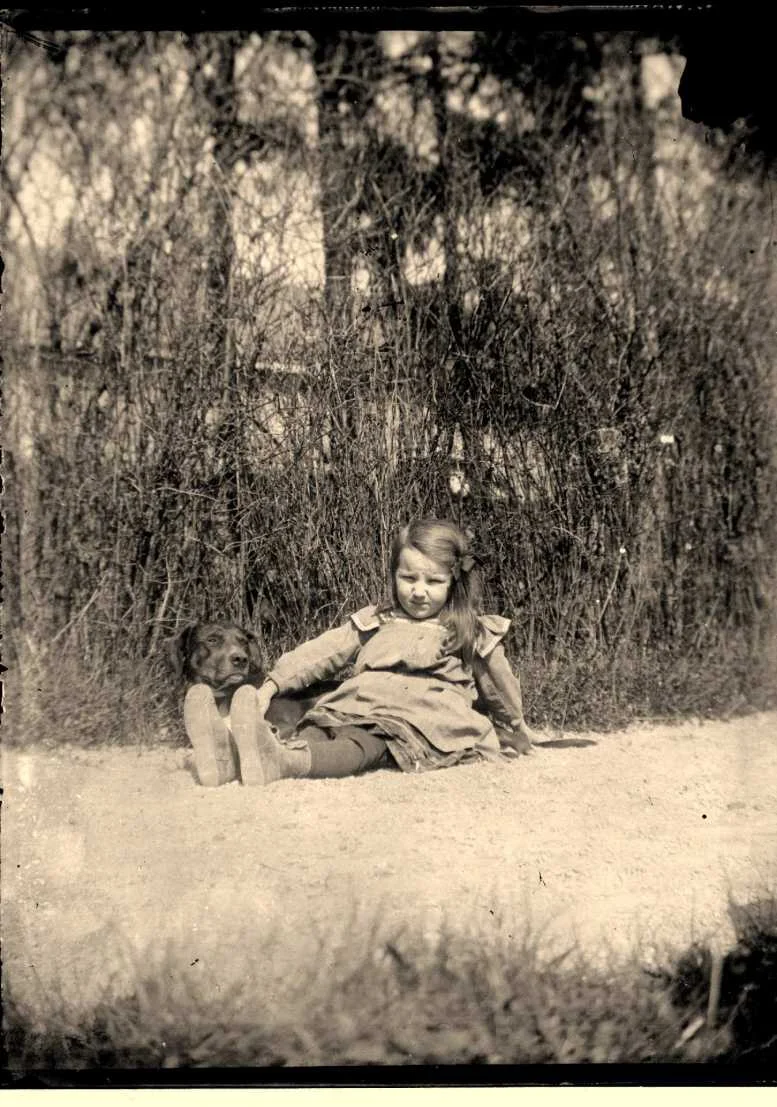
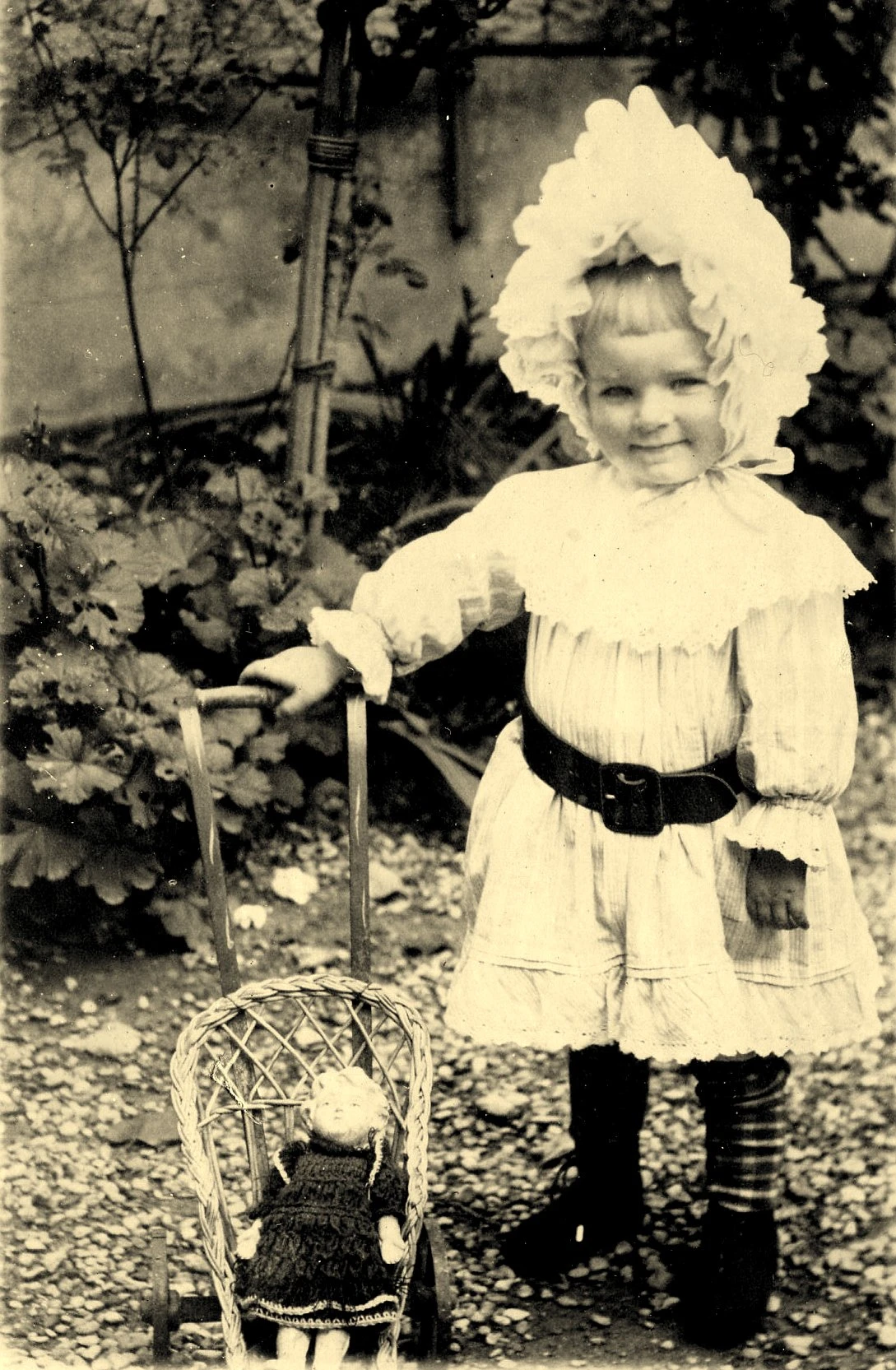
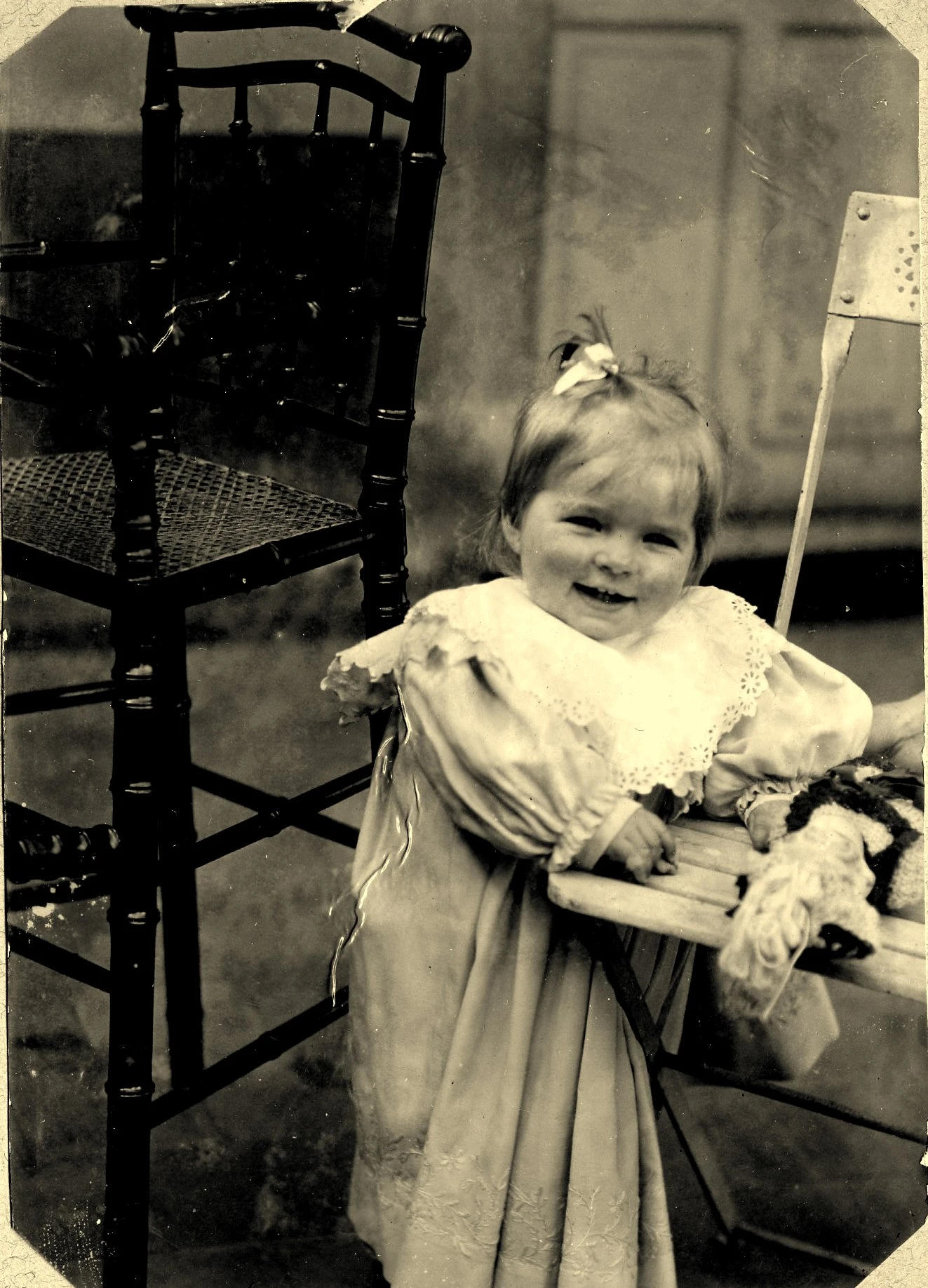
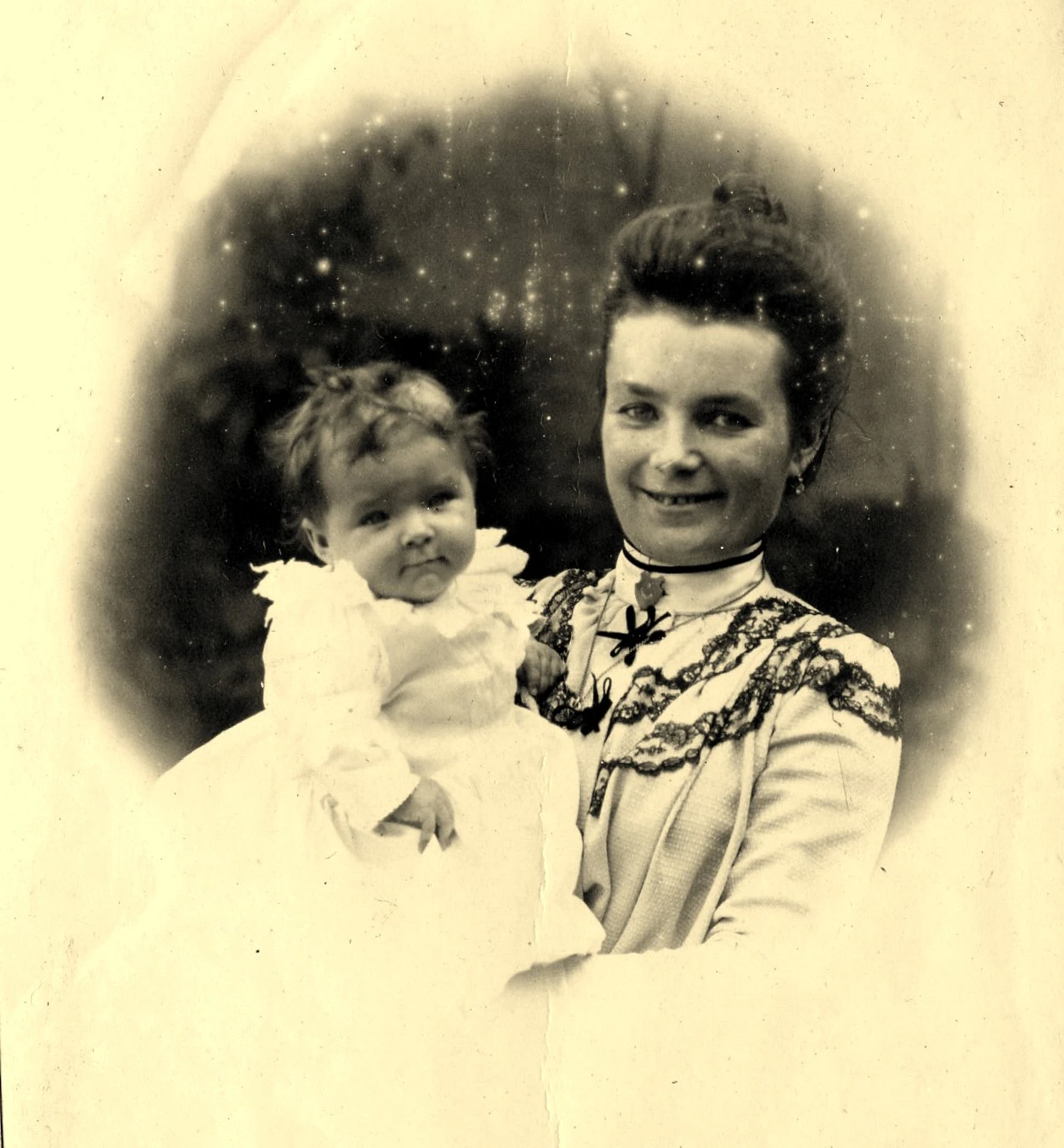
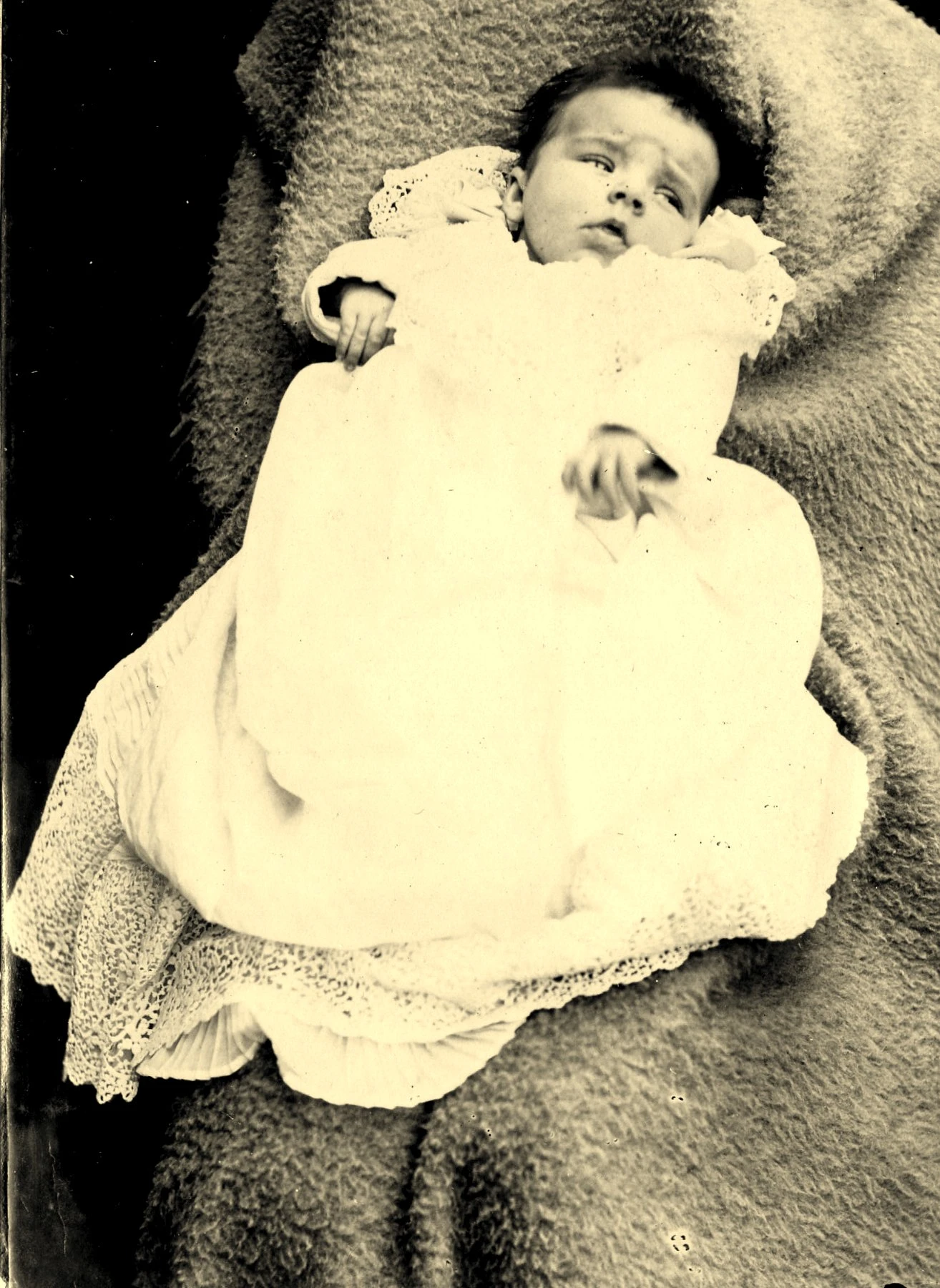
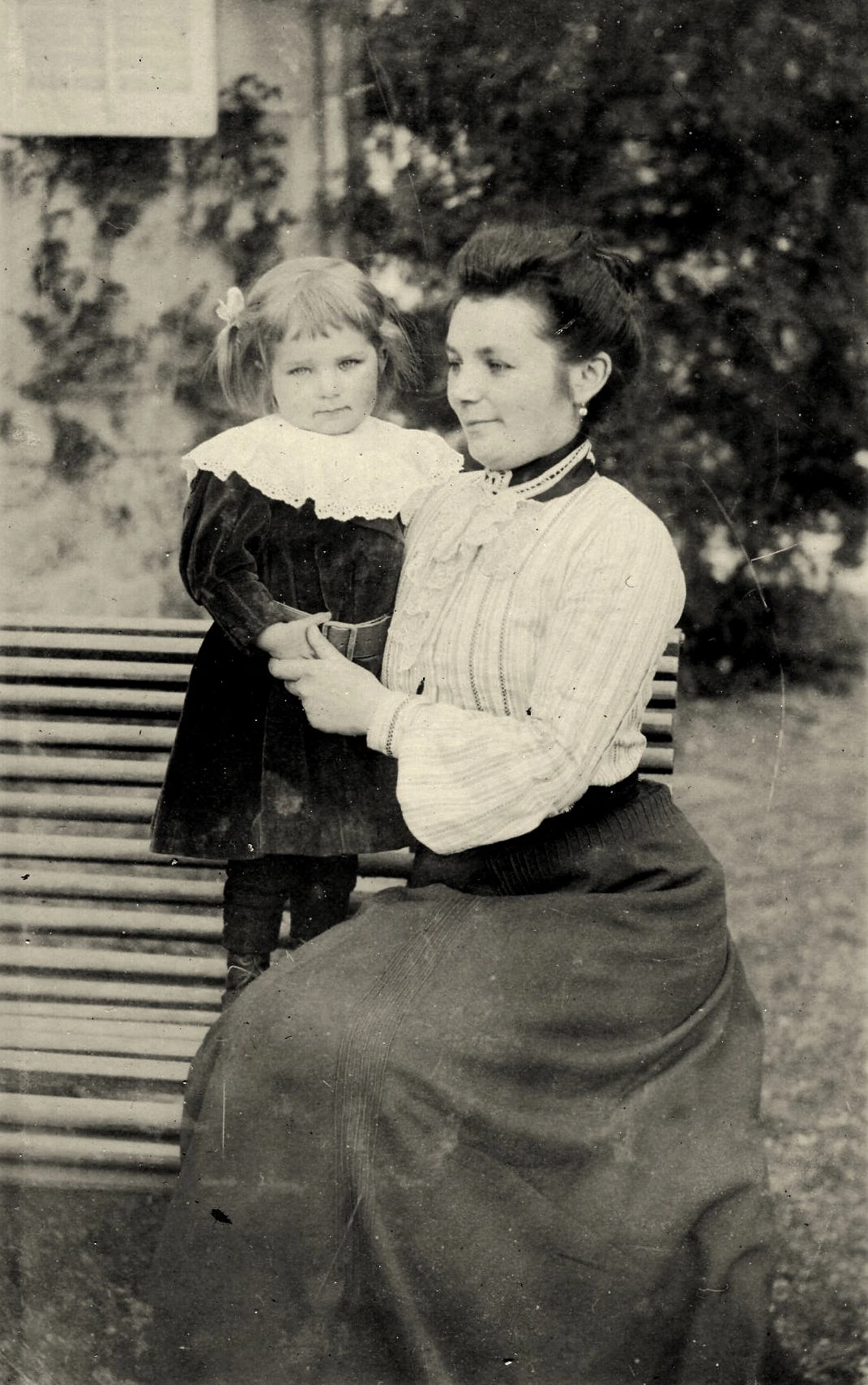
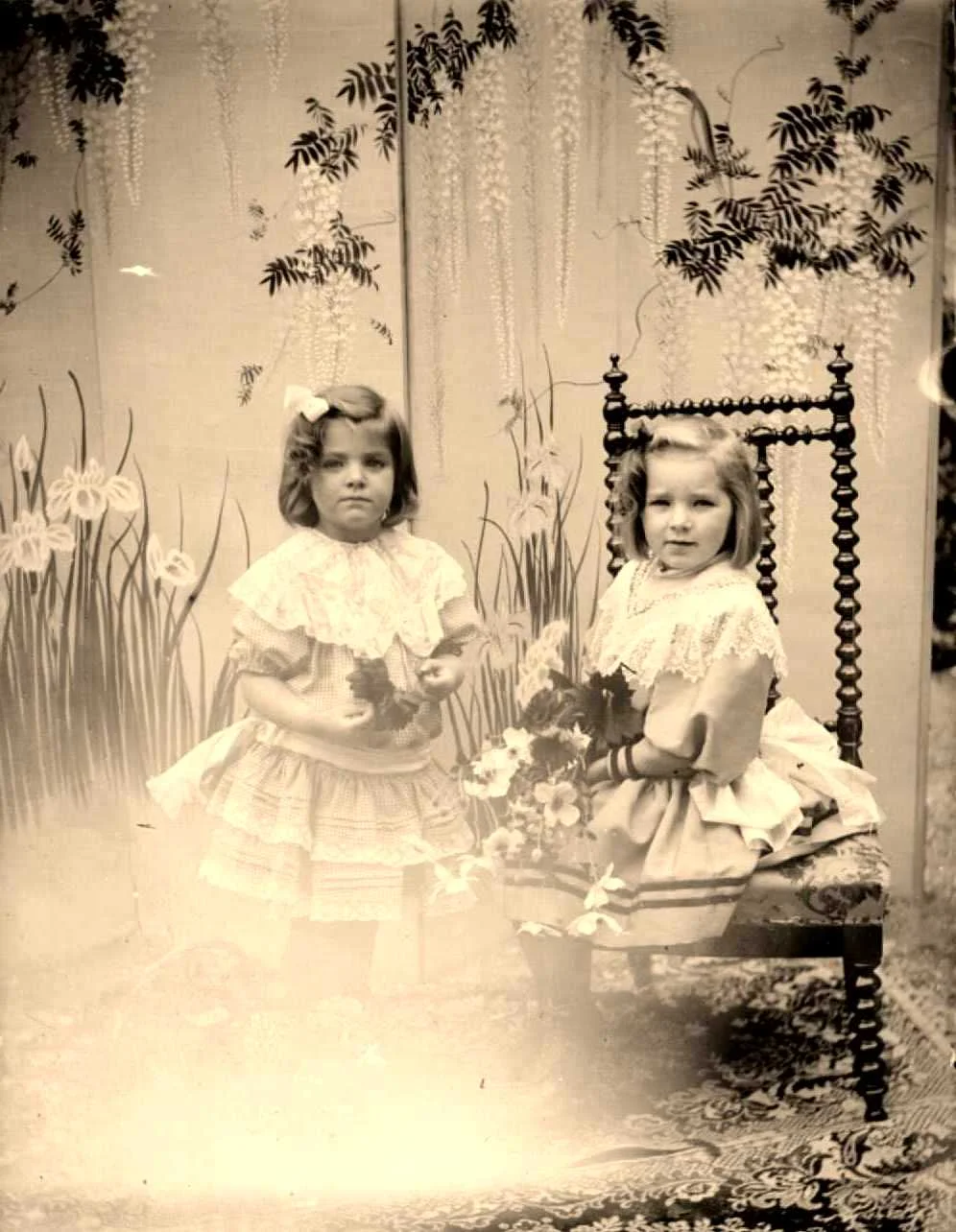
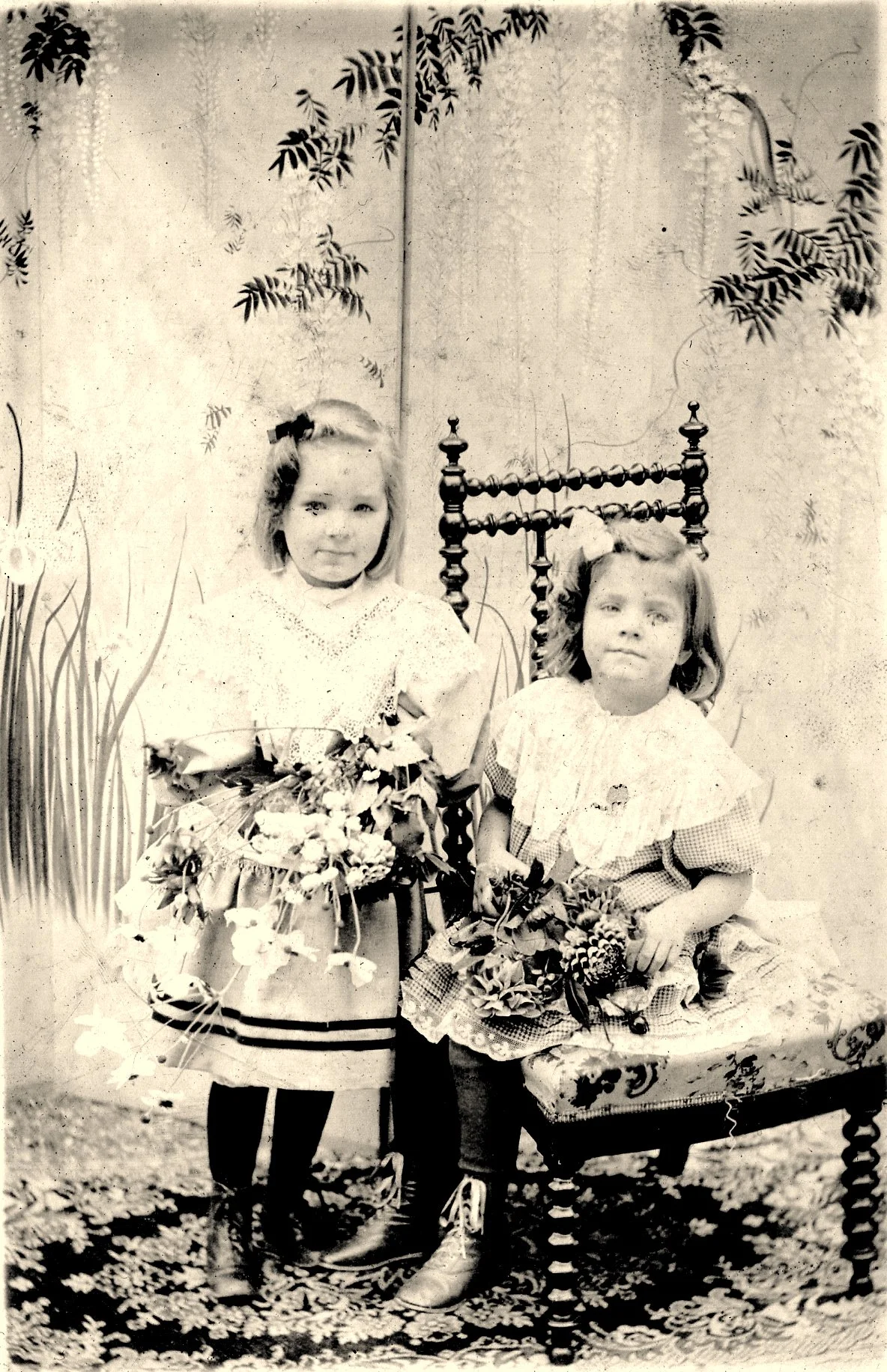
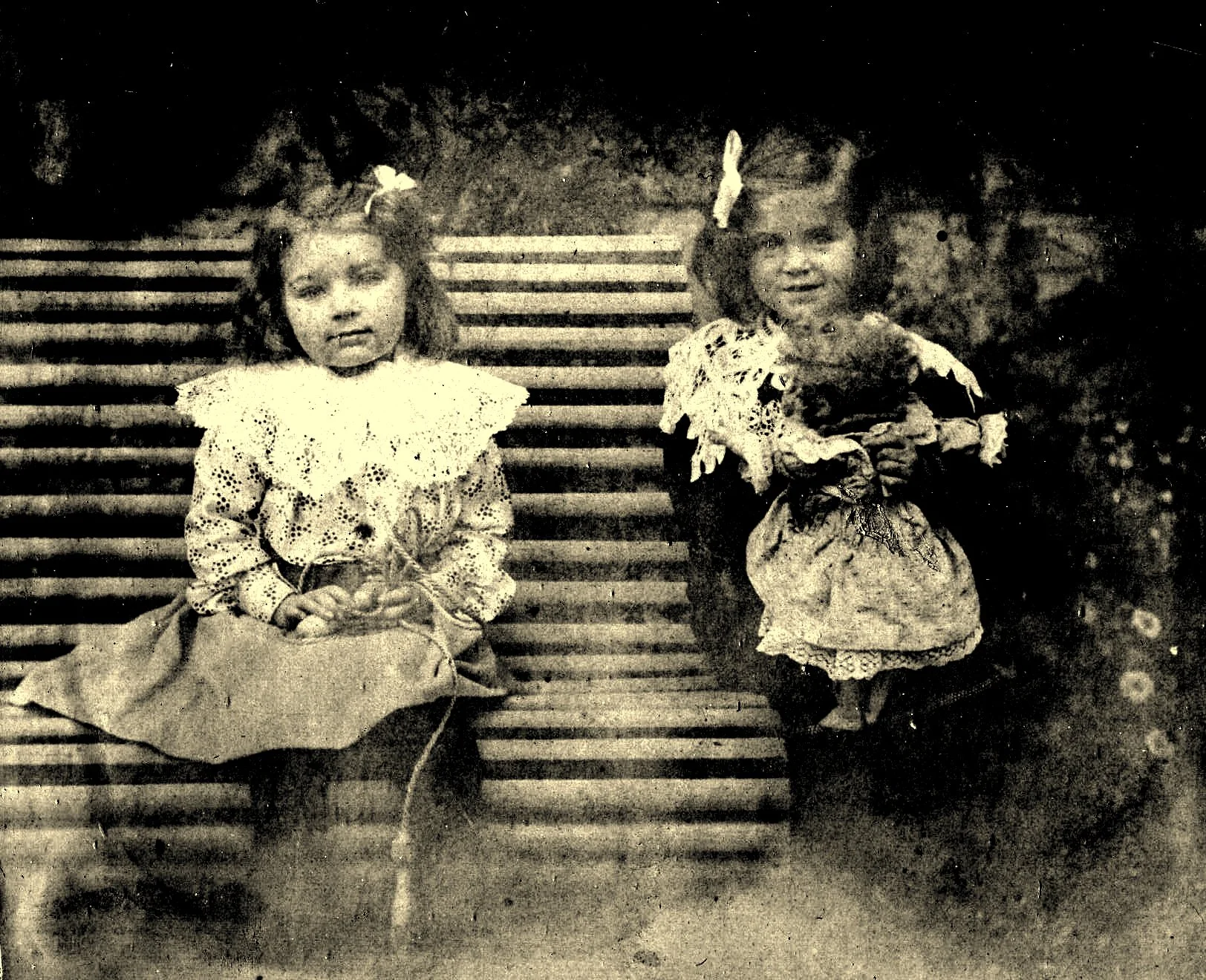
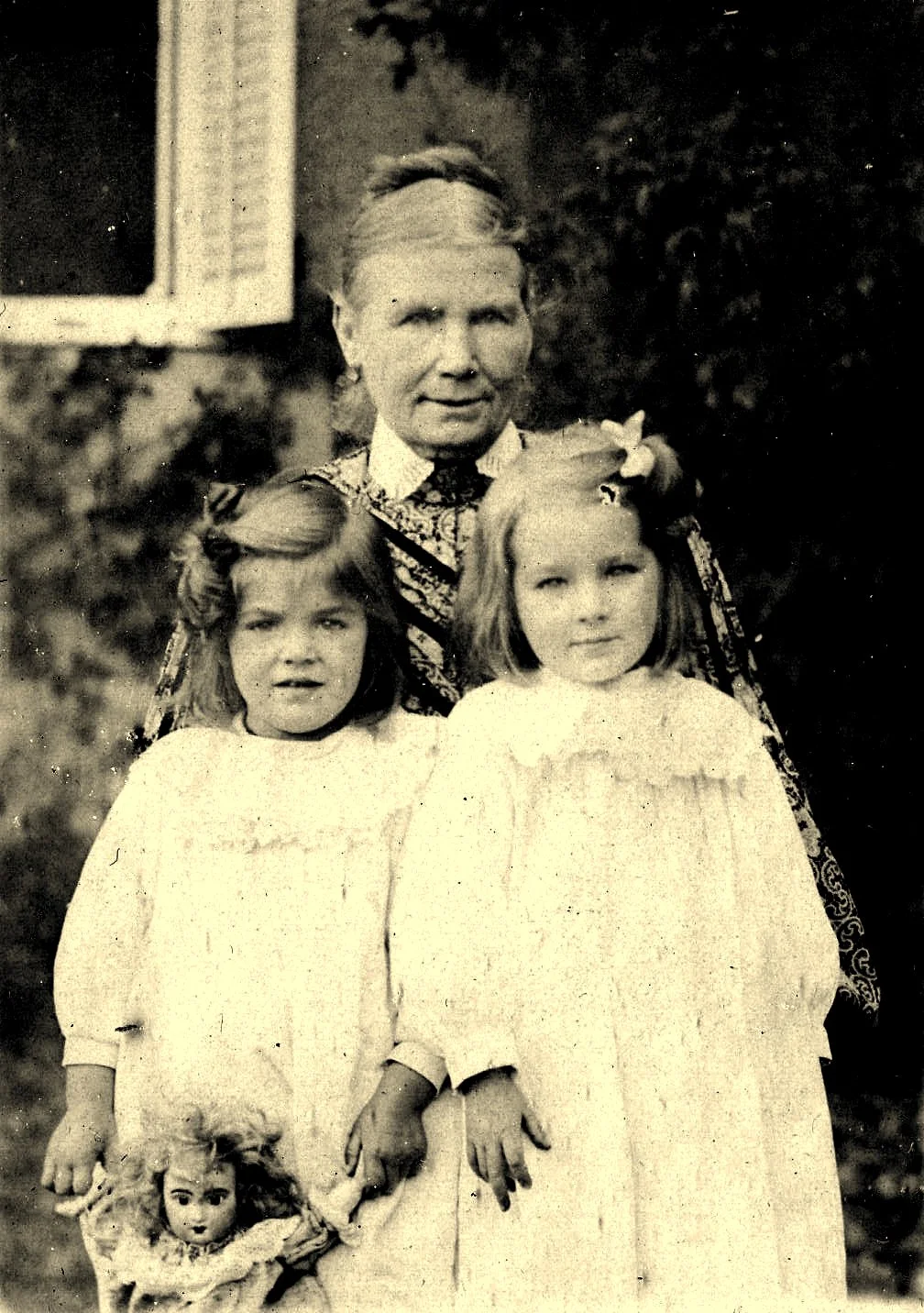
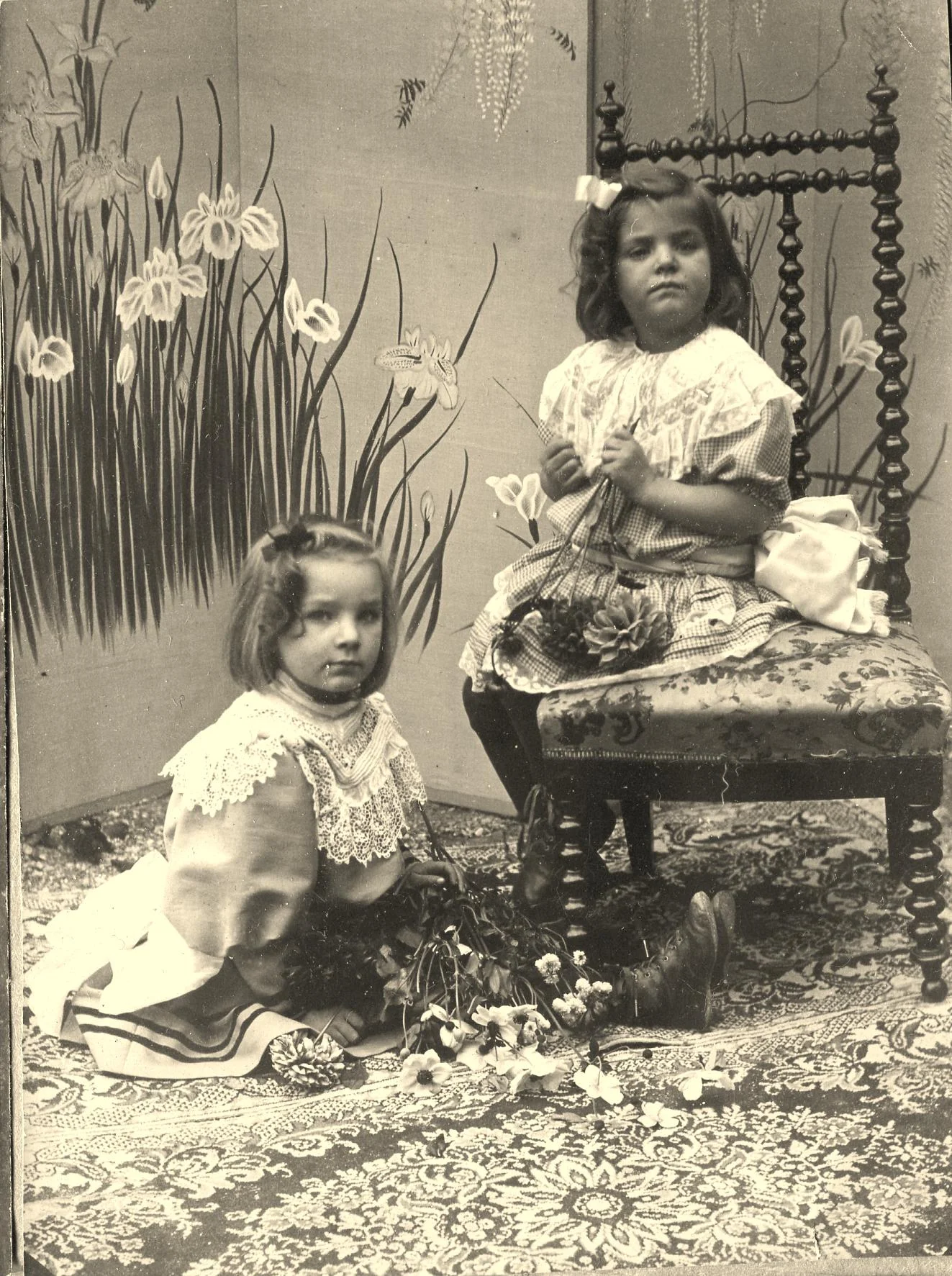
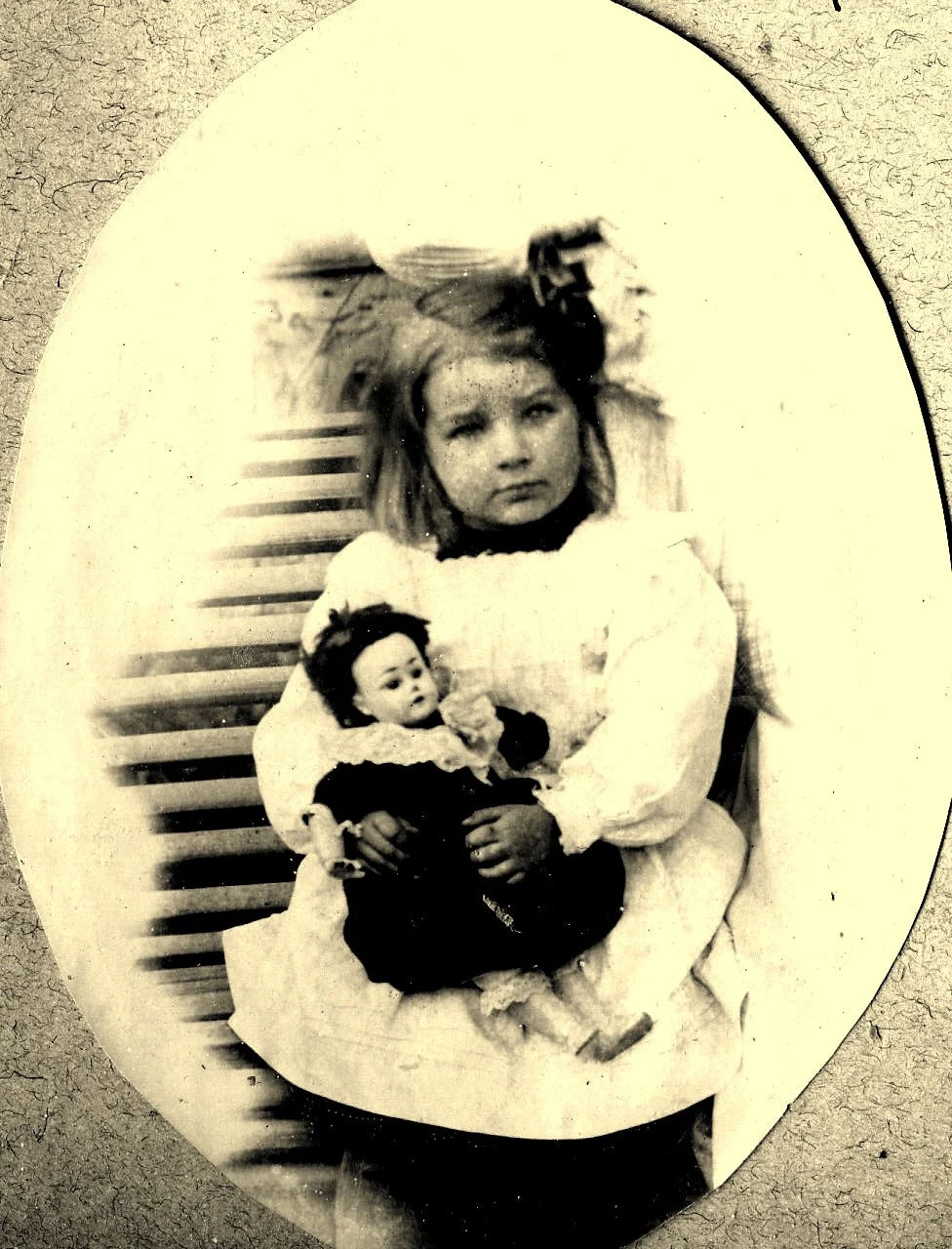
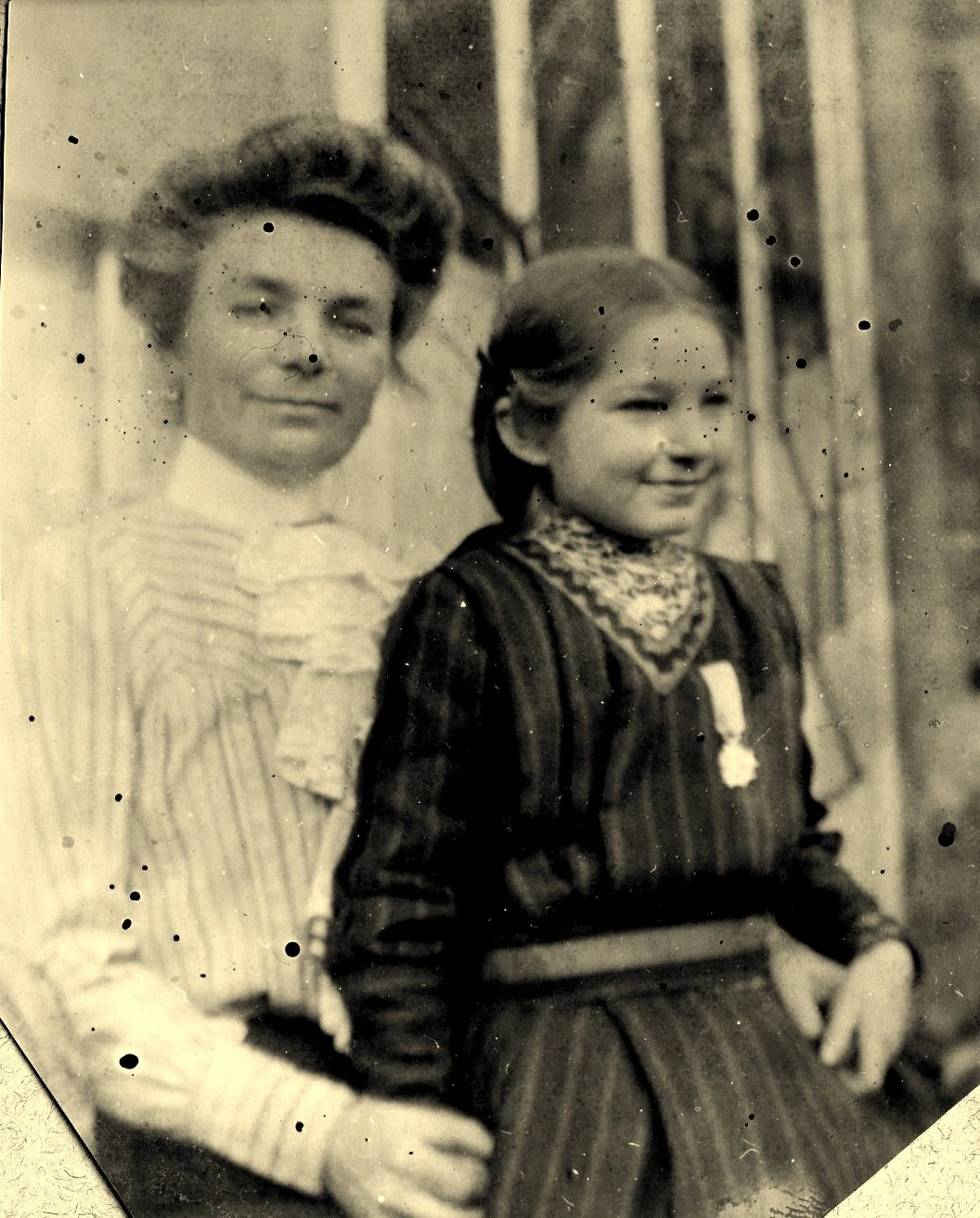
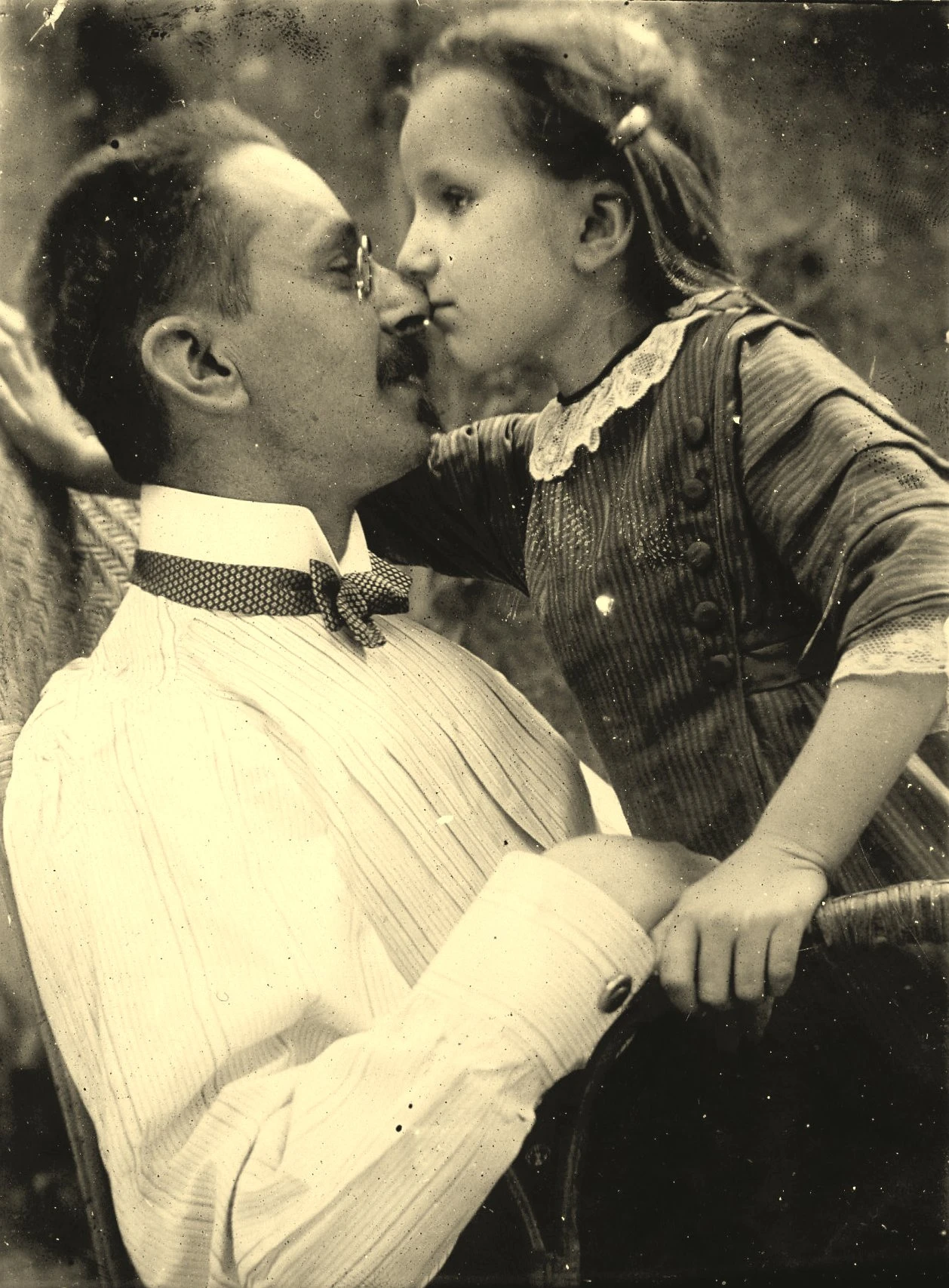
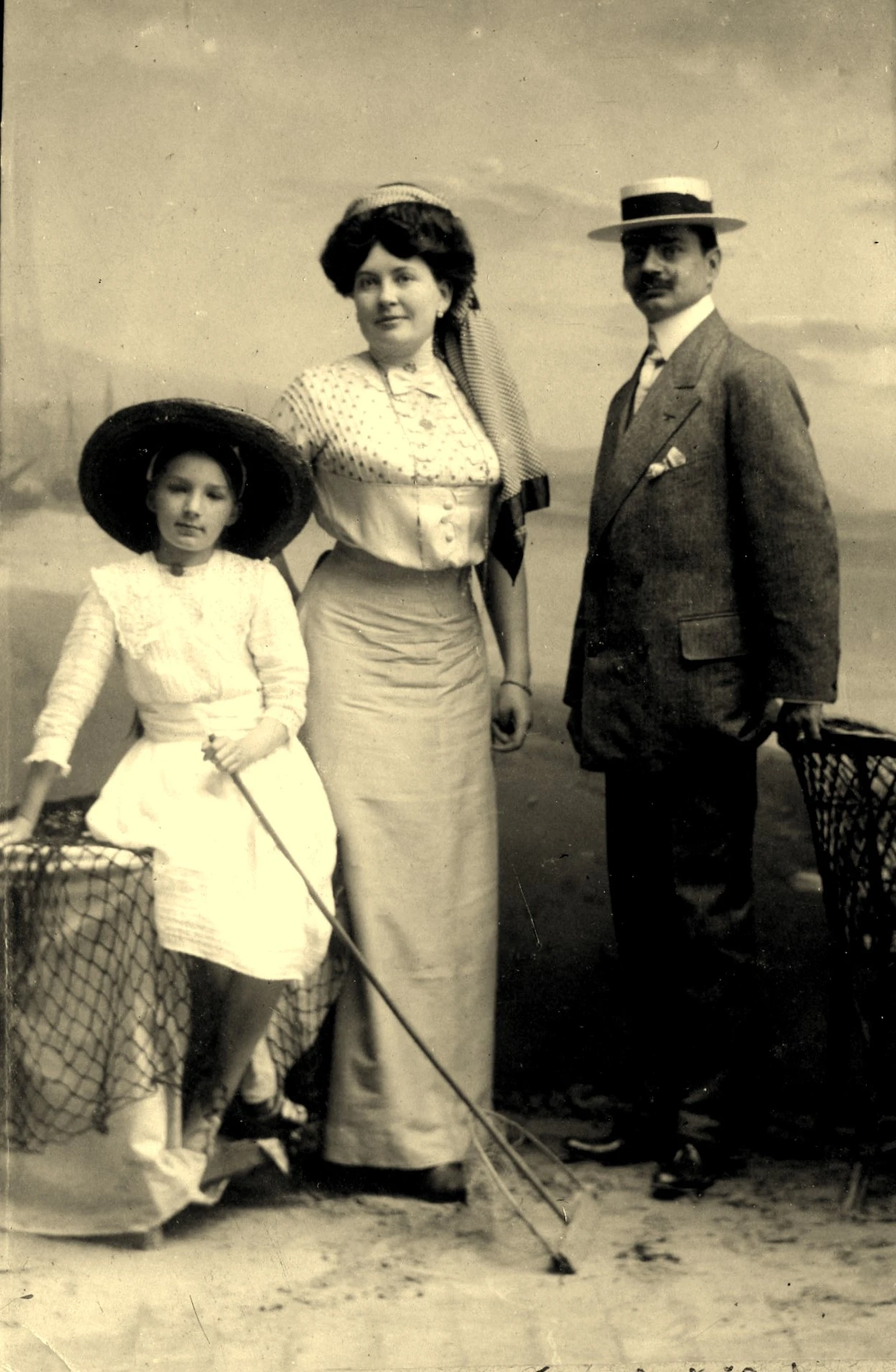
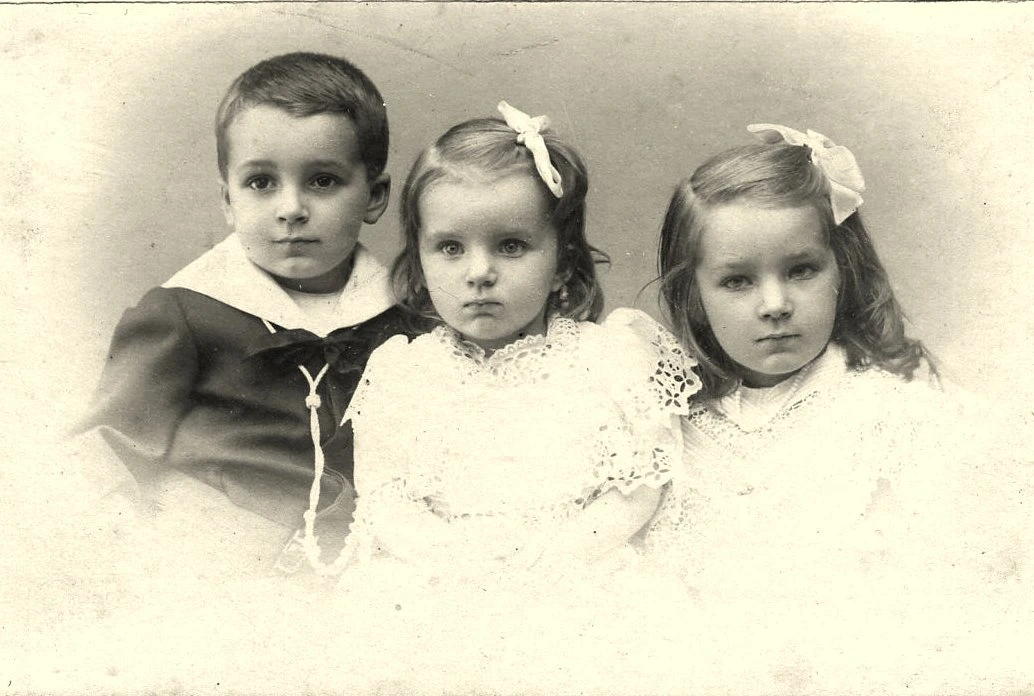
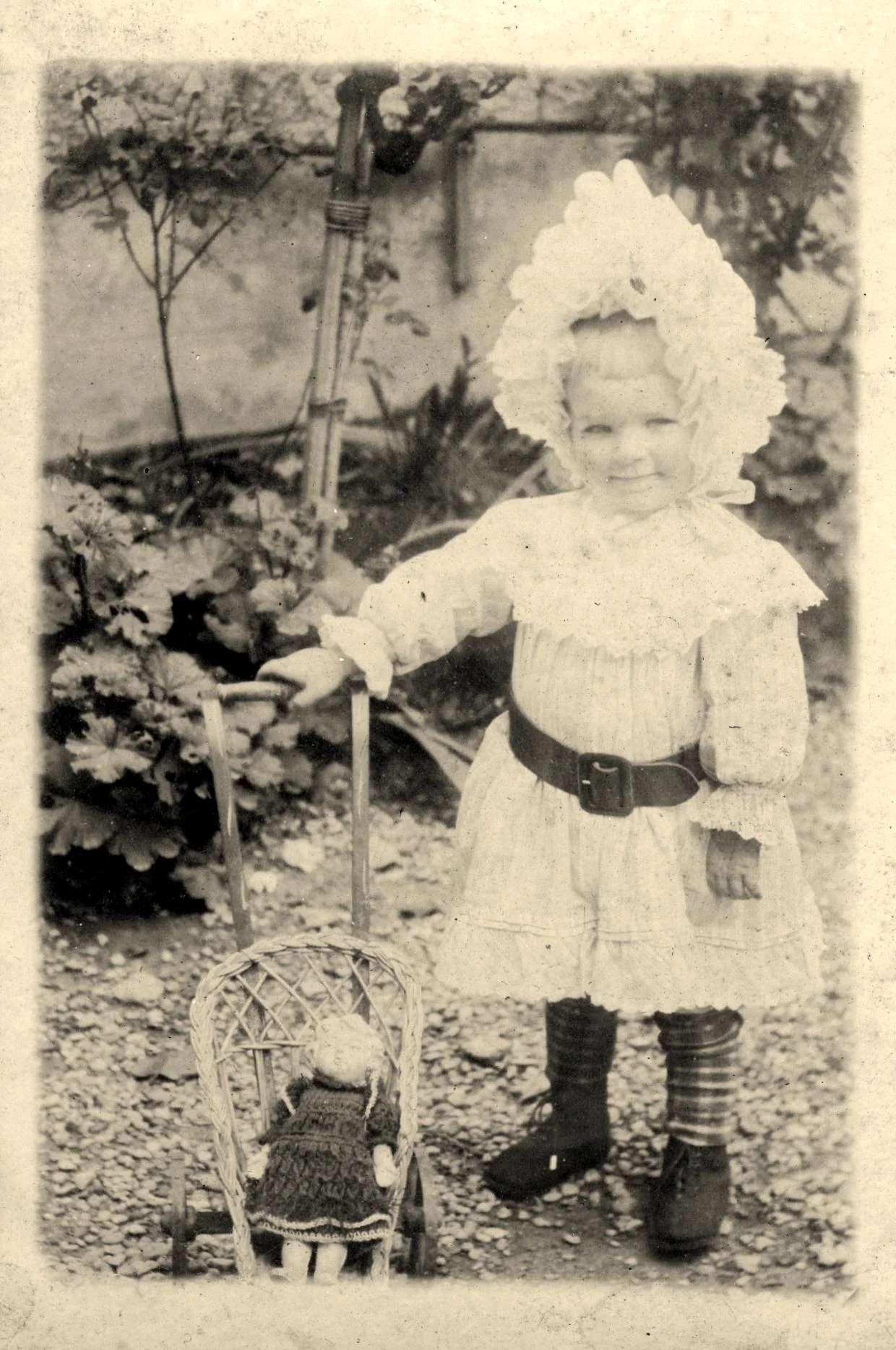
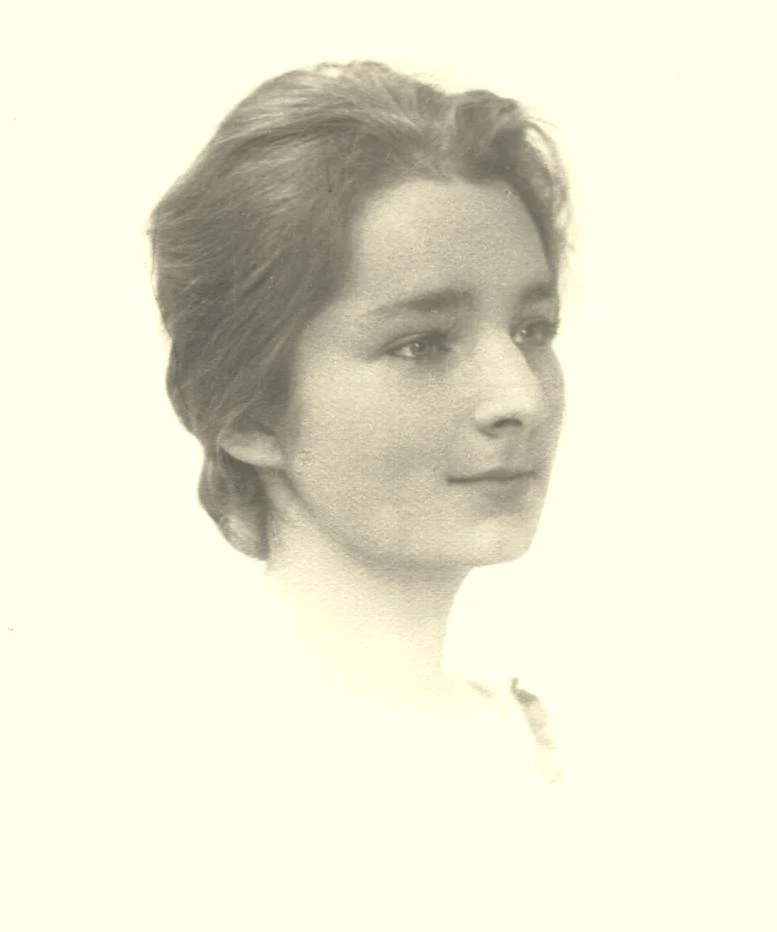
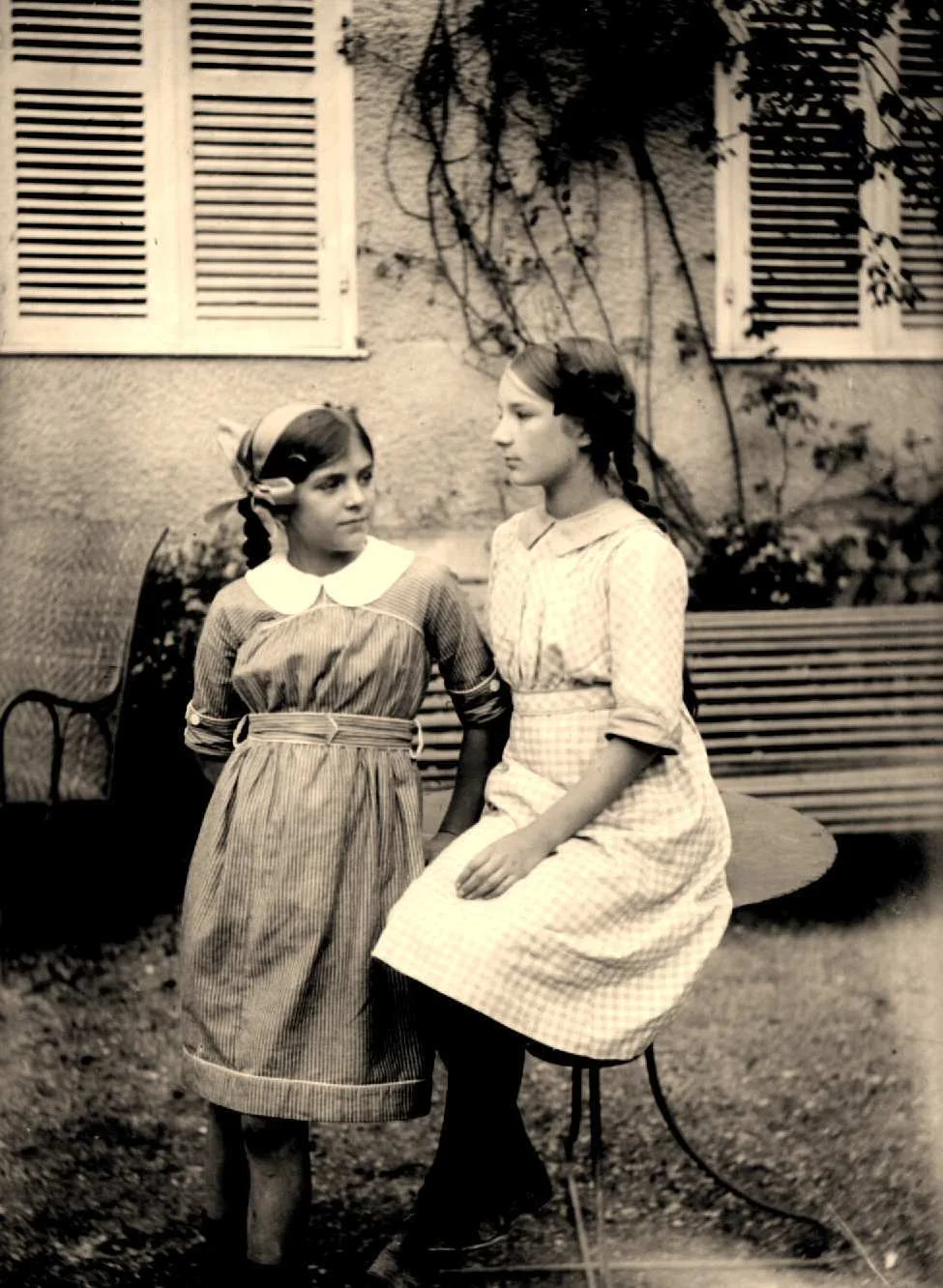
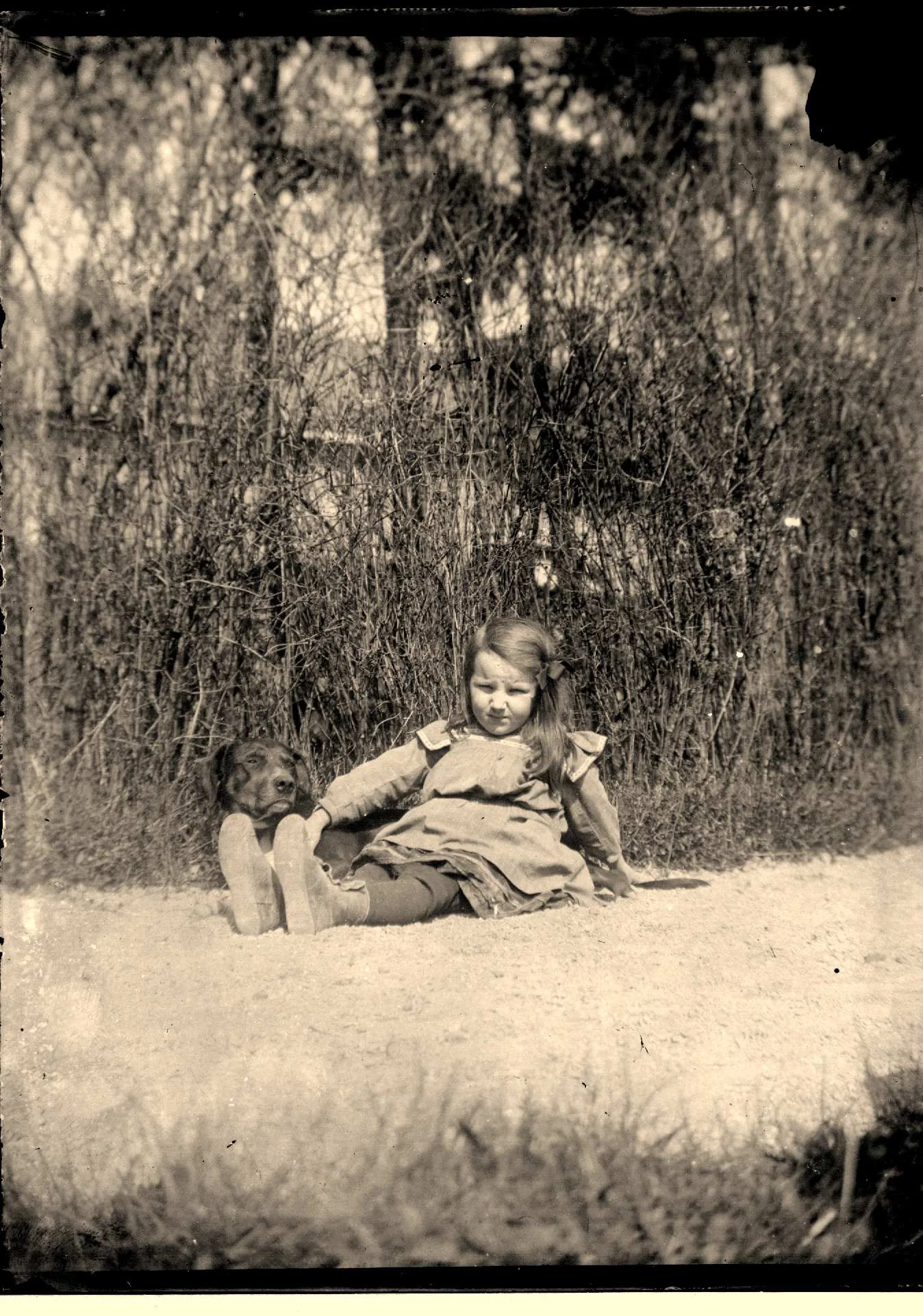
Below are photos of Suzanne at different times, see also the pages, 4832 for the years 1900-1903, 4833 for the years 1904-1906, 4834 for the years 1907-10, 4835 for the years 1911-14
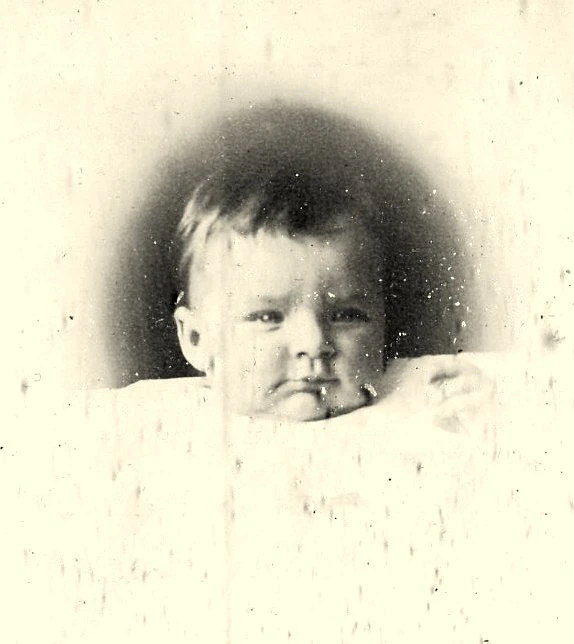
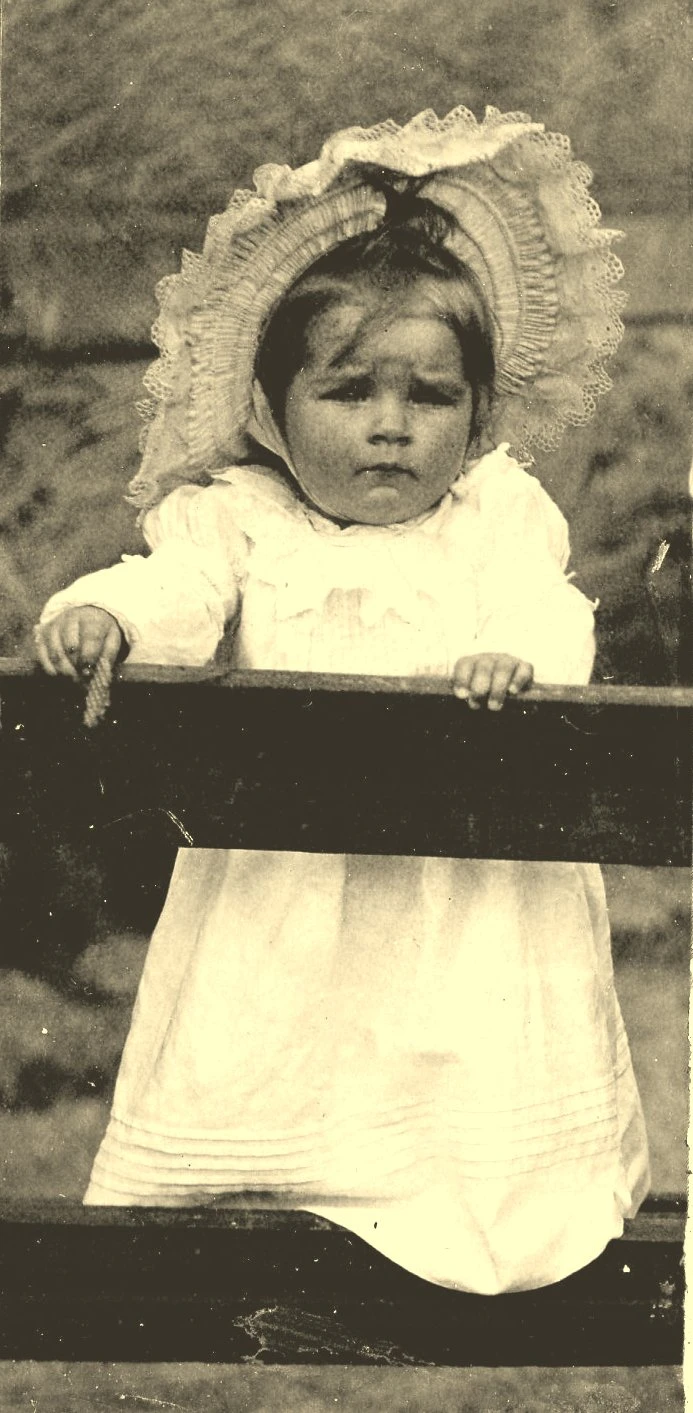
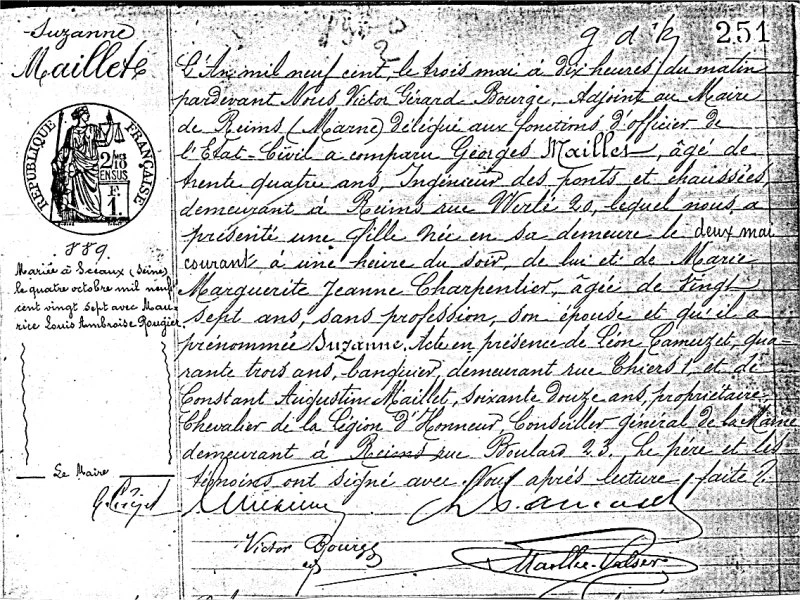
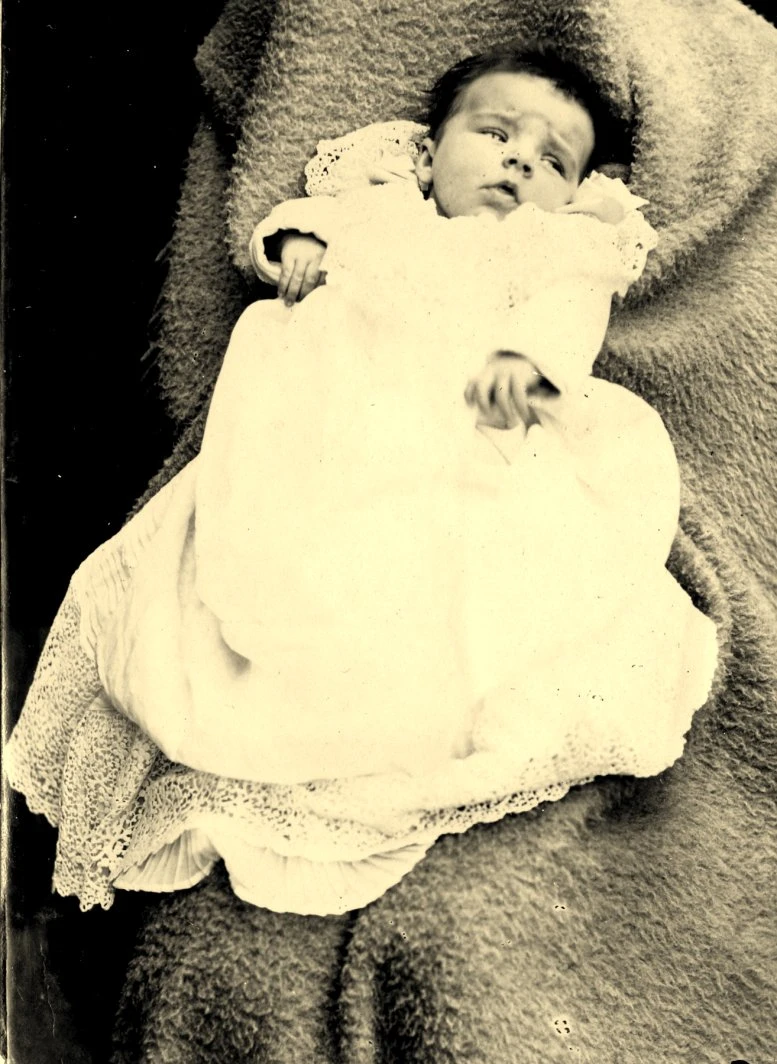
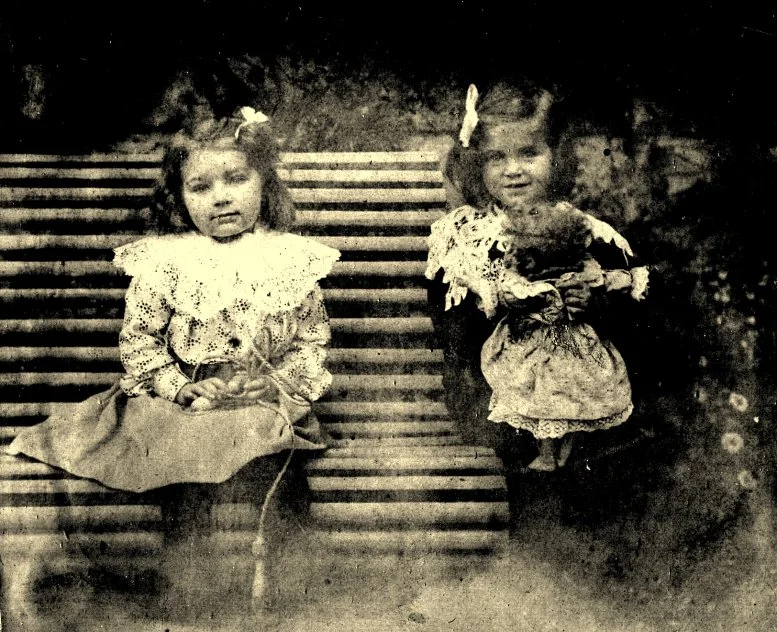
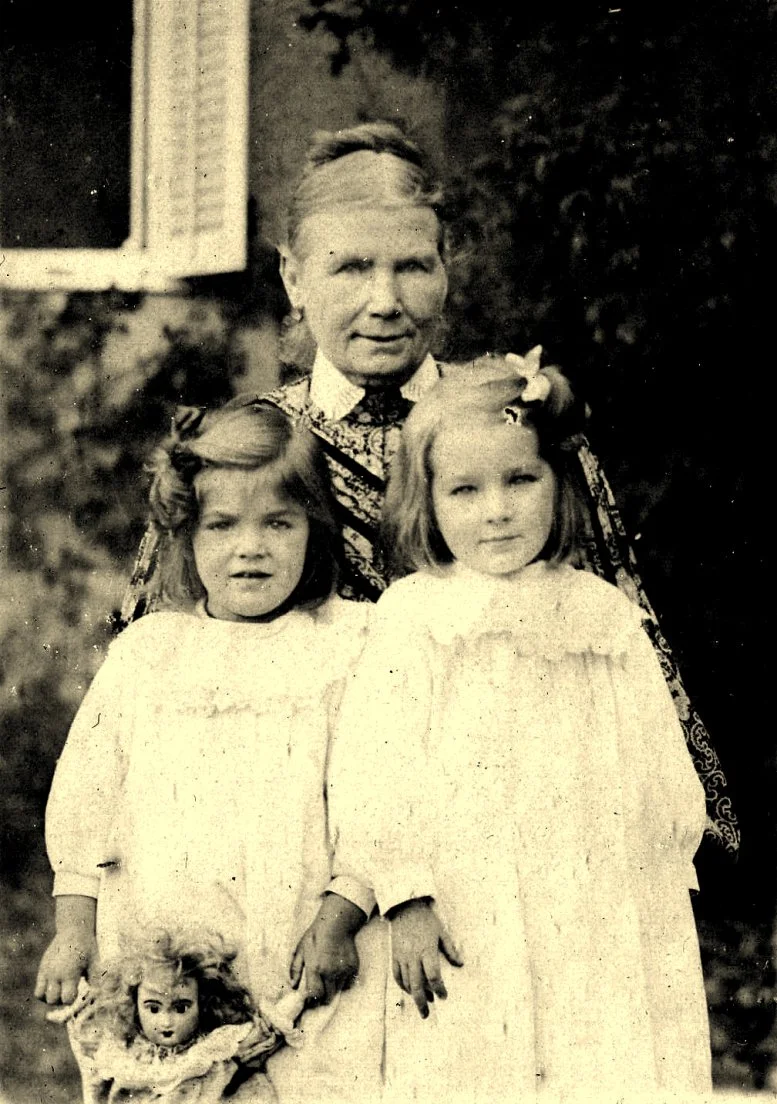
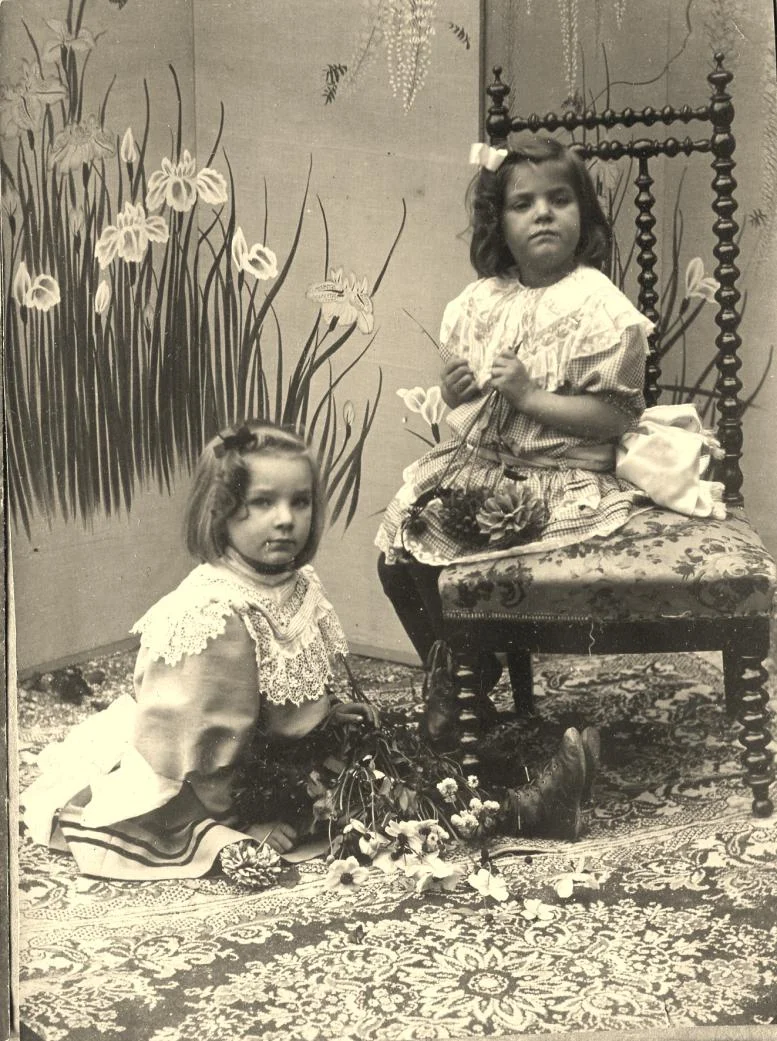
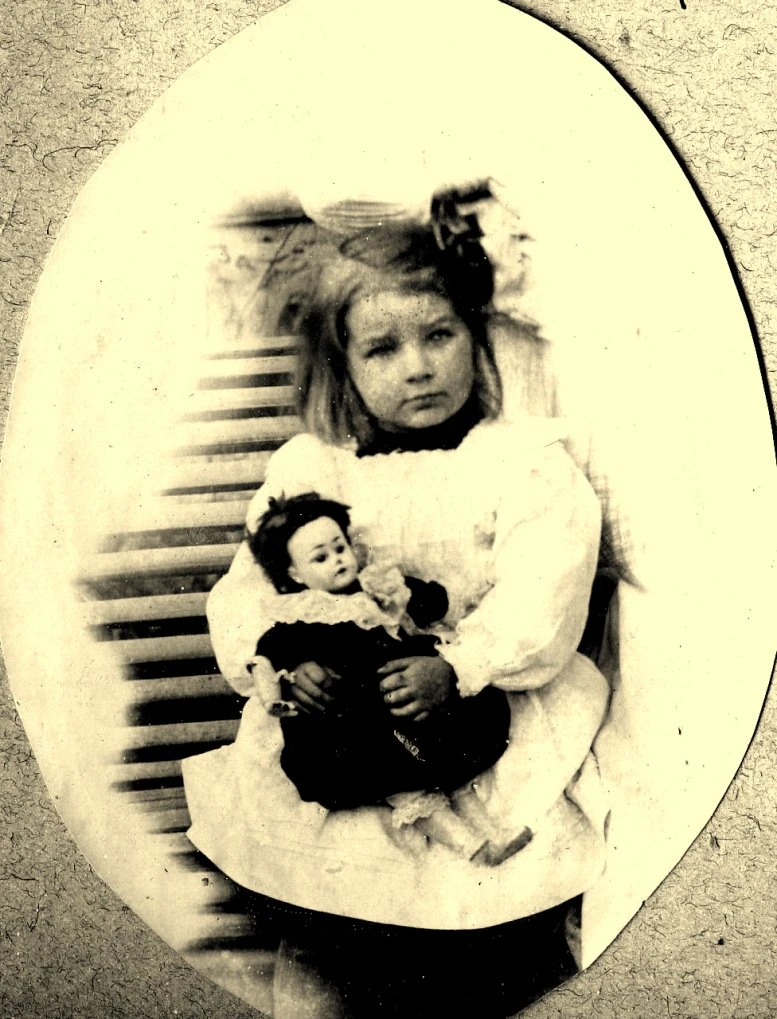









Further from Suzanne Maillet's story to Chapter 511 for the 1914-20s,
to Chapter 512 for the years 1921-27
to Chapter 520 for the years 1927-39 (Rougier family) and the following chapters: 521-534 (Rougier family all subsequent years)