


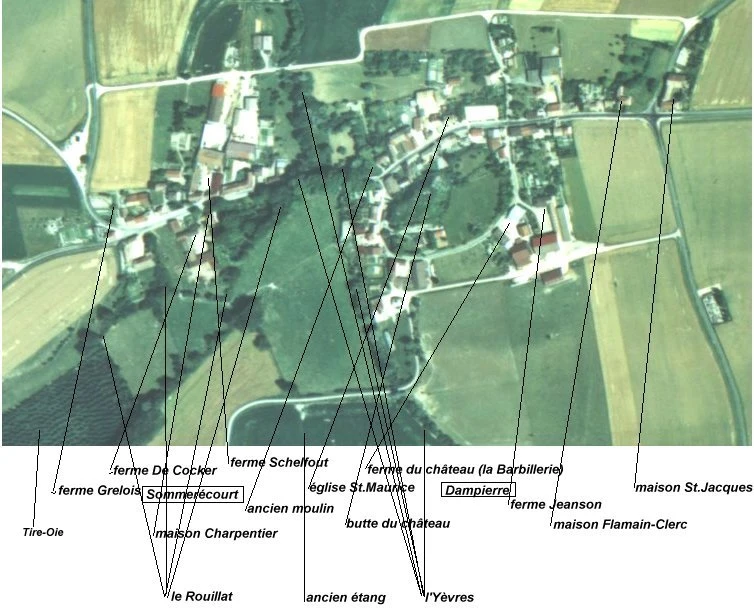
Dampierre, aerial view
The expansion shows the different farms
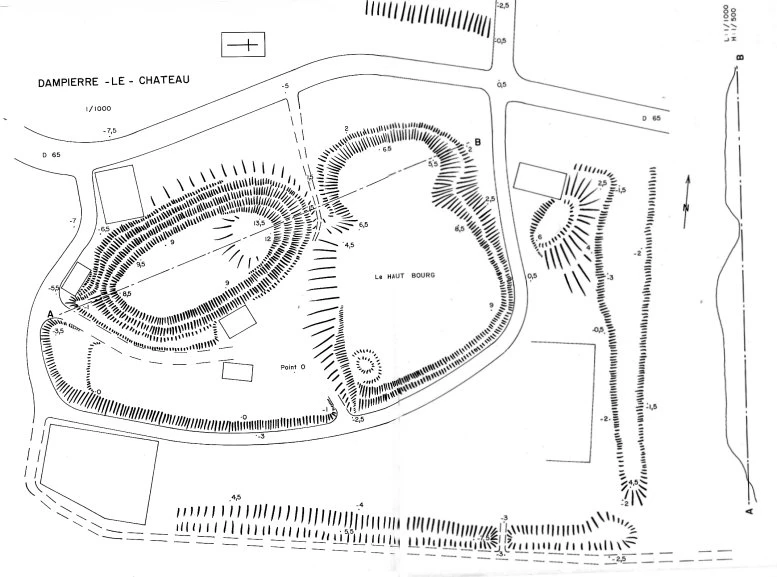
(details)
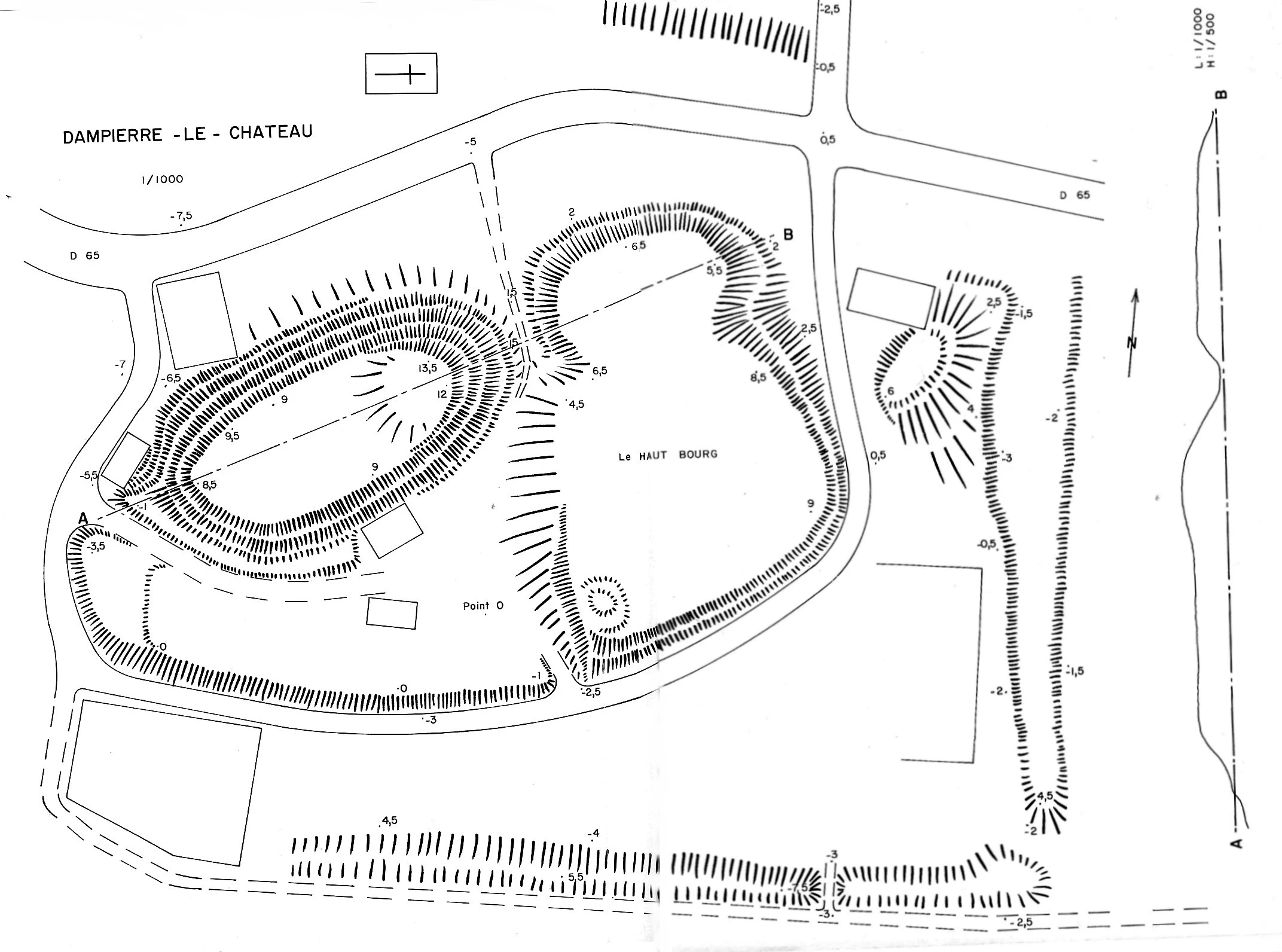
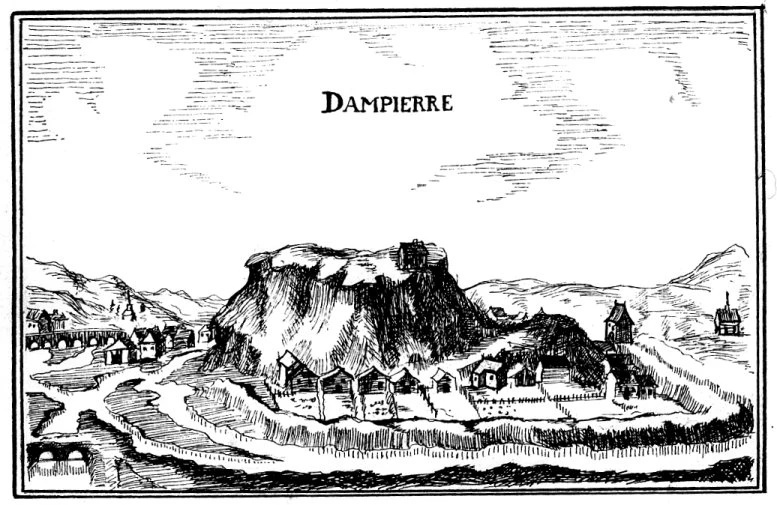
(details)
Extracts from the "Vestiges d'habitat seigneurial fortifié du Bas-Pays Argonnais"
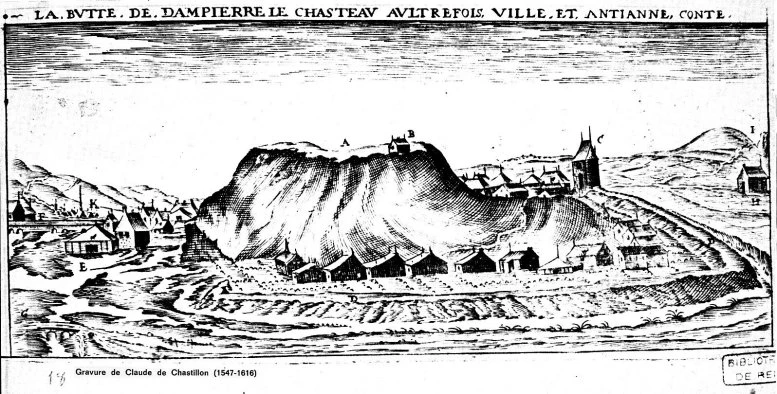
(details)
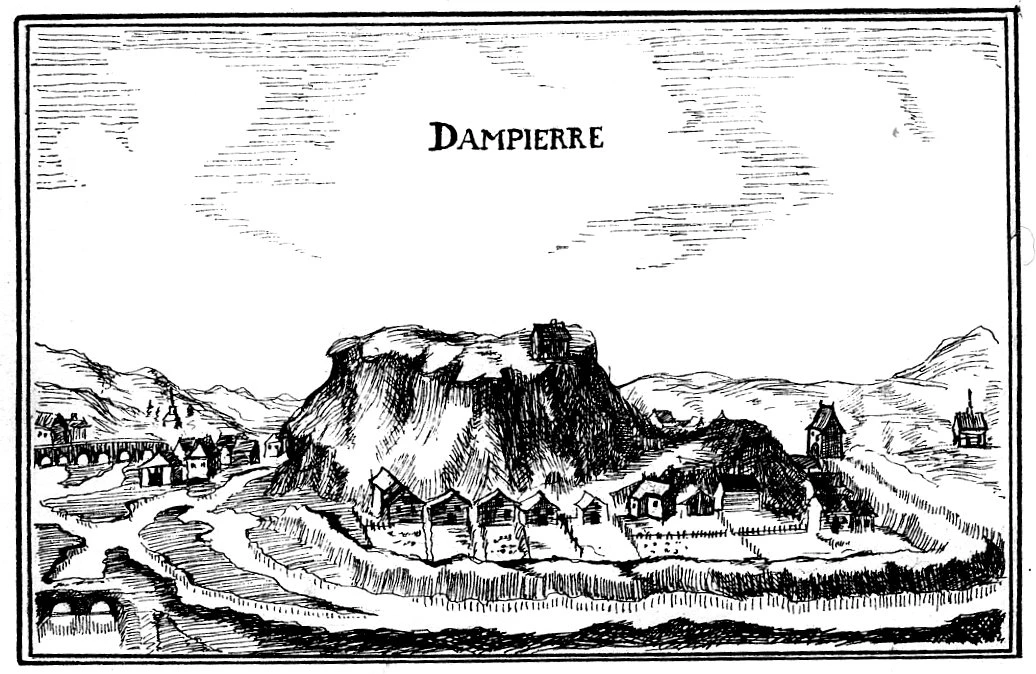
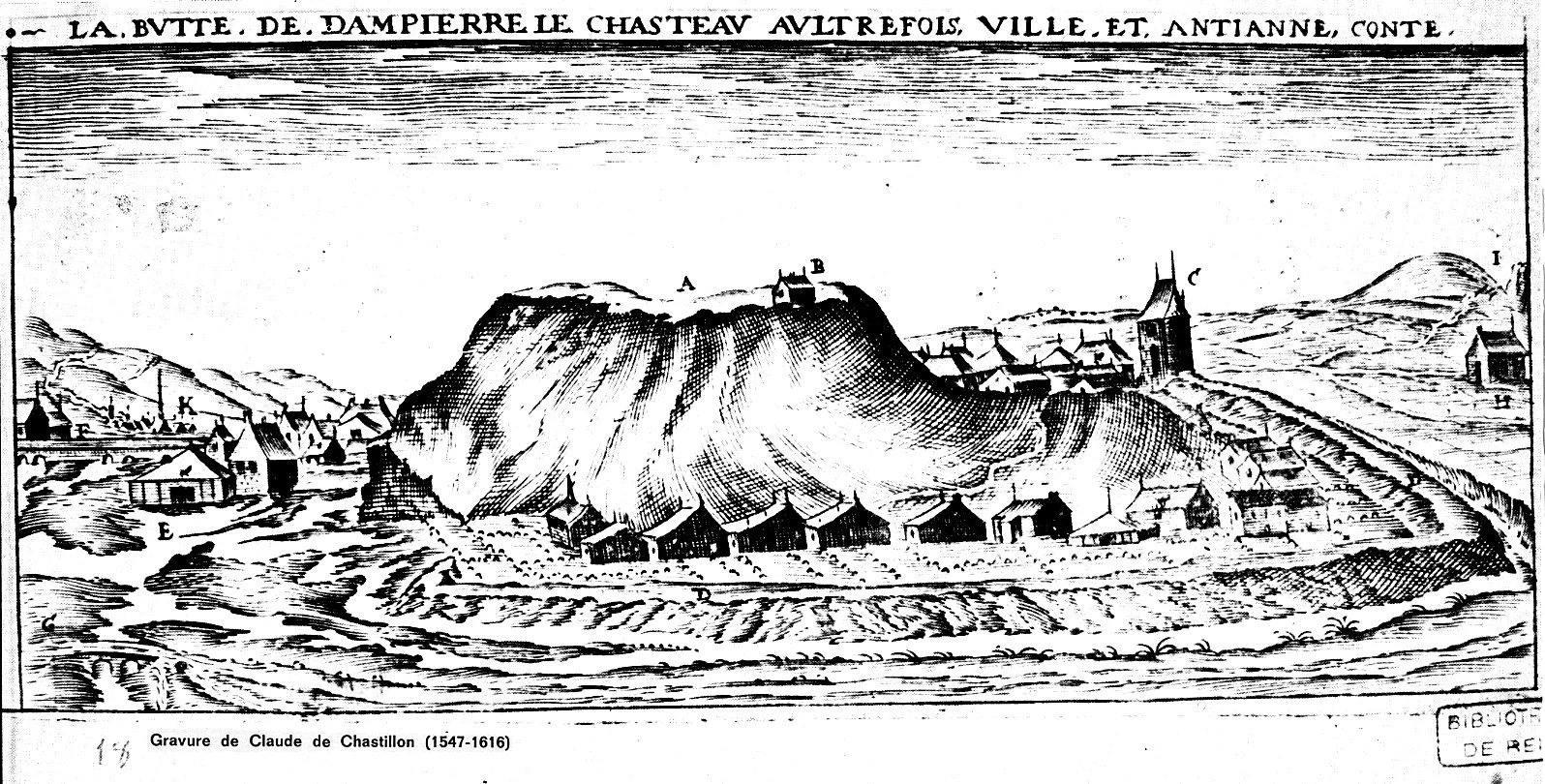
(details)
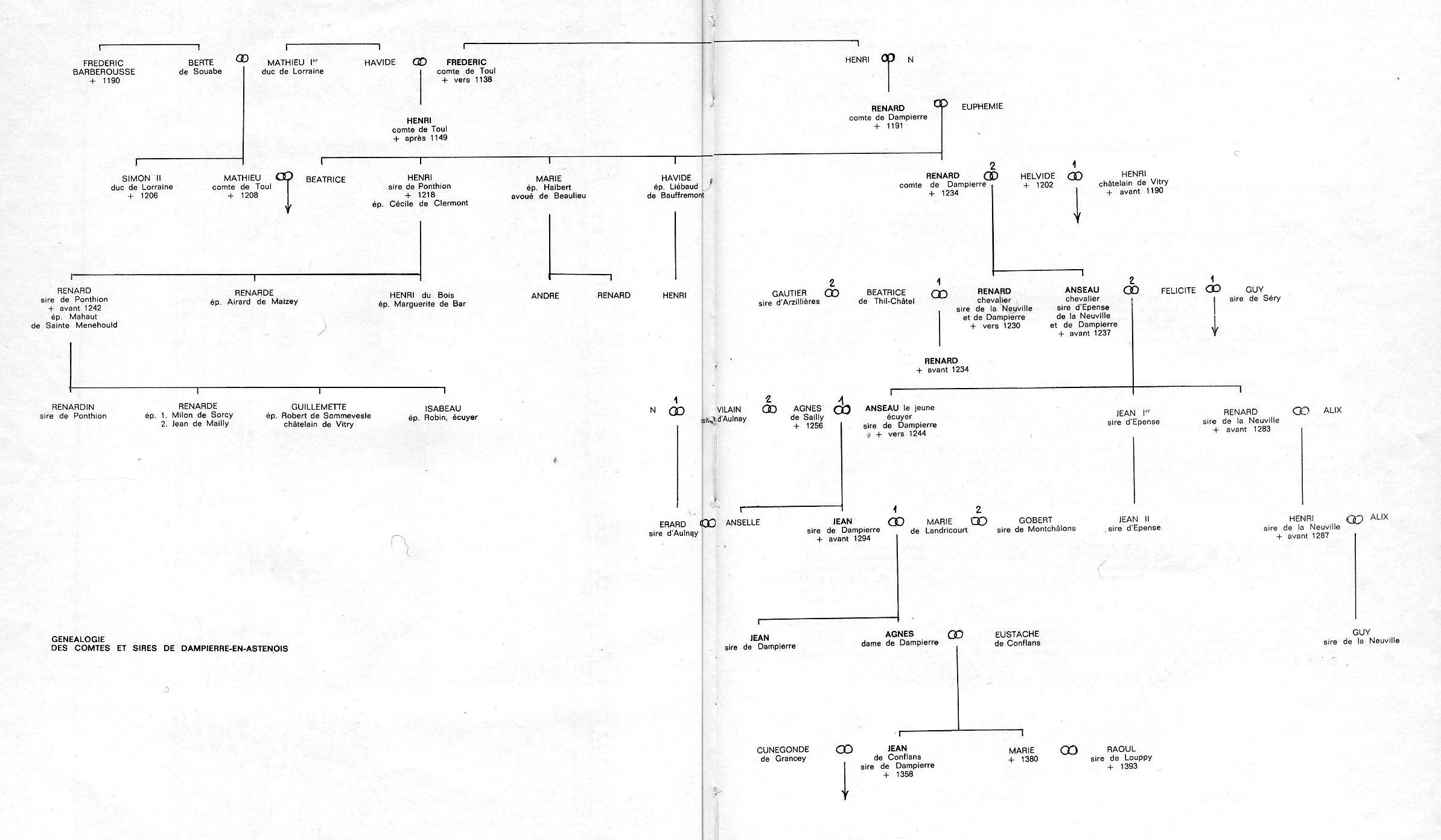
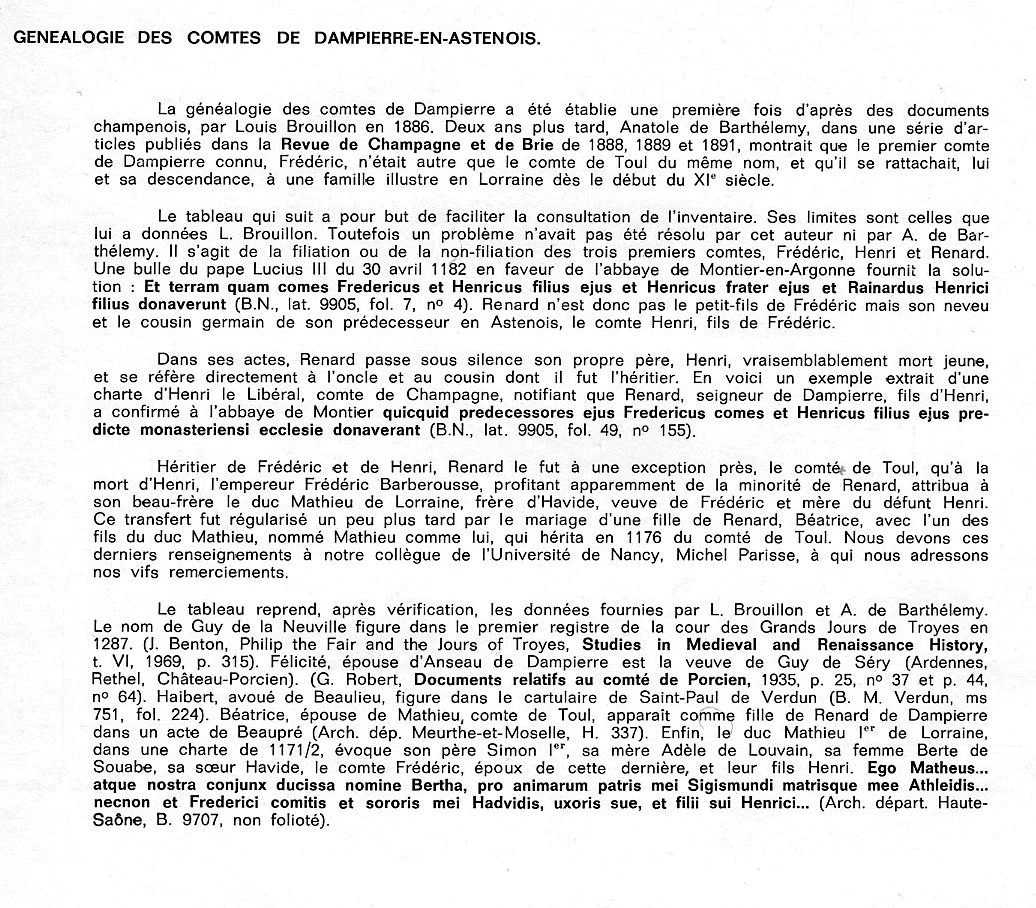
genealogical picture of the Counts of Dampierre, see their History of the Counts of Dampierre, according to a study by the University of Reims
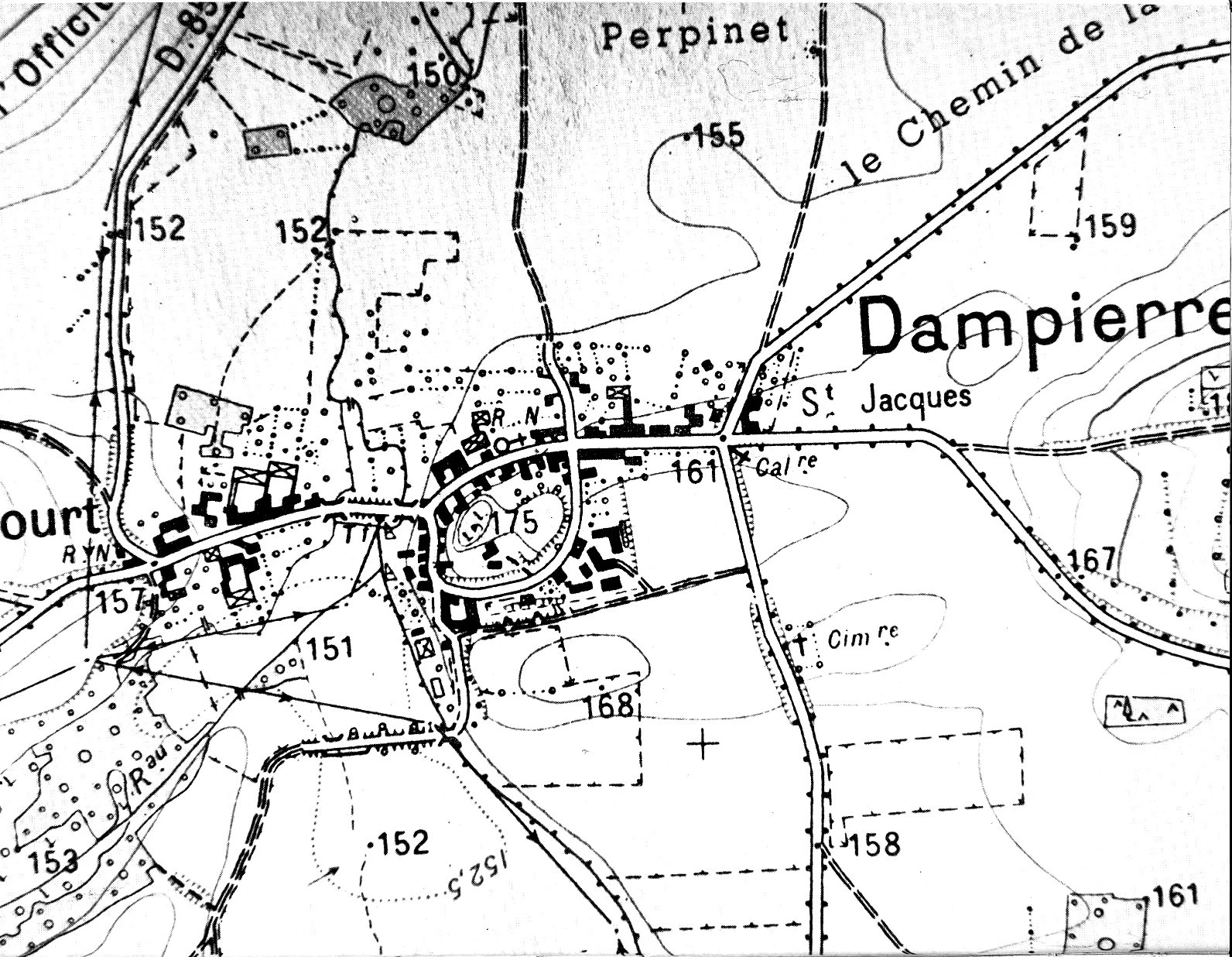
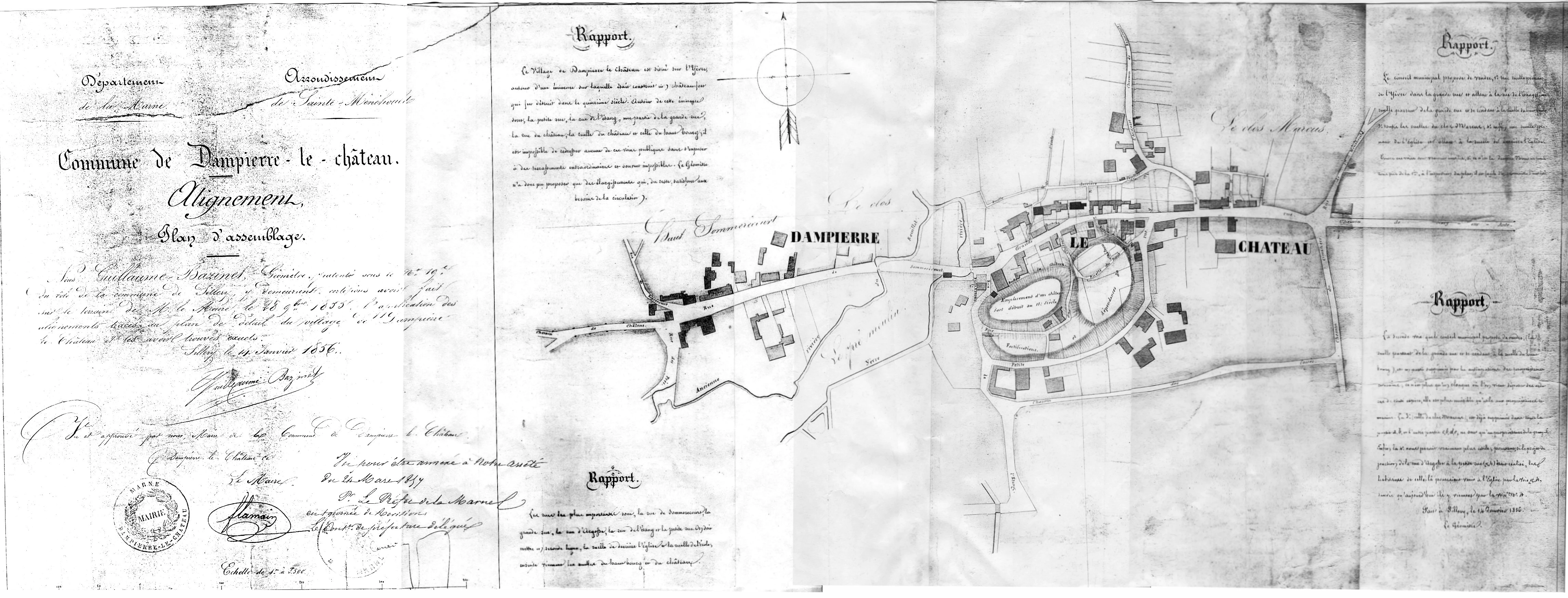
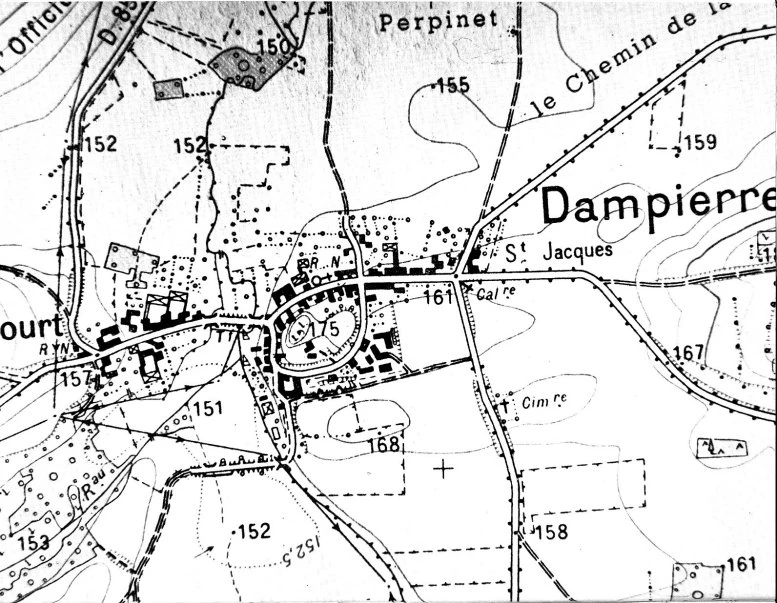
Cadastral plan of Dampierre in 1856
Around 1900, Dampierre was a village of some 300 or 350 inhabitants where most services were provided to a small community, including:
- a mayor and a town secretary
- a cantoner
- a priest and even a vicar
- a doctor (Dr. Flaman)
- a veterinarian
- a baker
- two cafes with shops
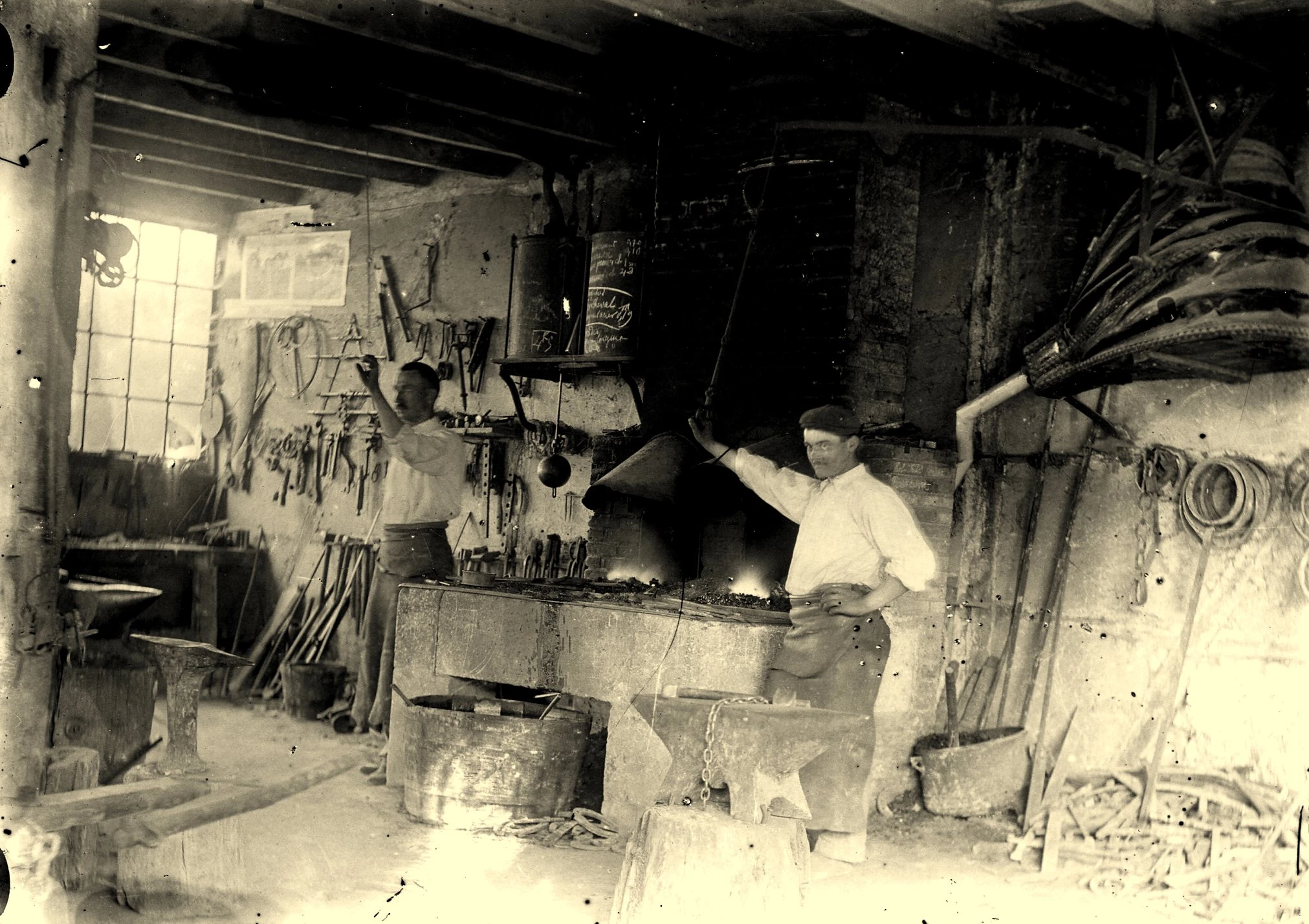
- A blacksmith.
- one post
for about ten large farms with polyculture, breeding, low-course, etc. the notary was in Epense, at 8 km.
The mill of Dampierre
See the archives of the Association des Moulins Marnais (AMM)
origin of the Michels, aieux de Grannie
451
At the time, the village of Merovingienne Dampierre-le-Château seems to have been called Mirland, a Germanic name, like the Frankish lords of the time, with a church dedicated to Saint Maurice (like the present church).

The region was then evangelized by the Irish monk Saint Rouin, who founded in 642 the hermitage which today bears his name, Beaulieu-en-Argonne
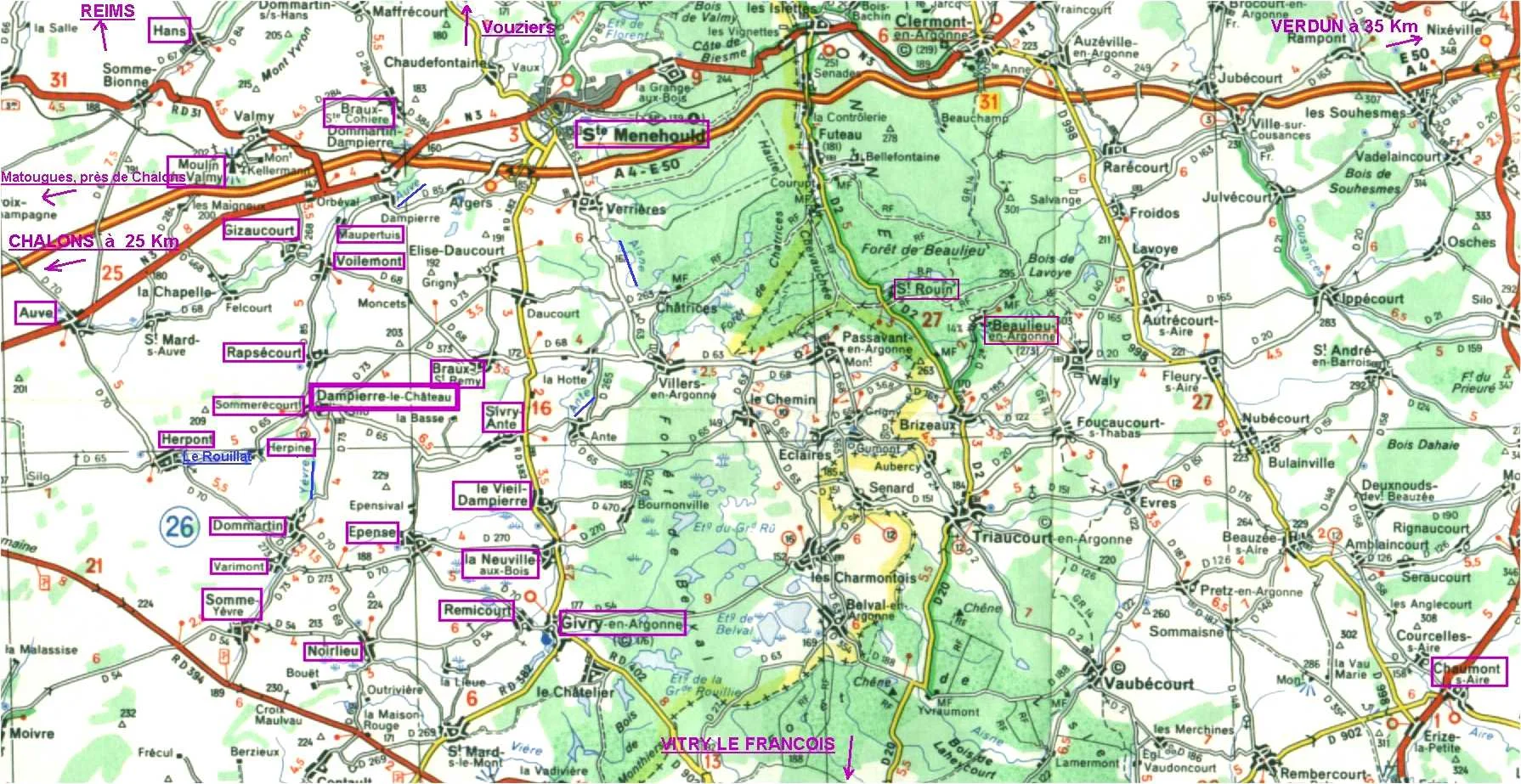
In Carolingian times, a territorial division of Champagne County was called Astene with Stadunum or Saint-Menehould for capital and towns Vitry-le-François and Bar-le-Duc.
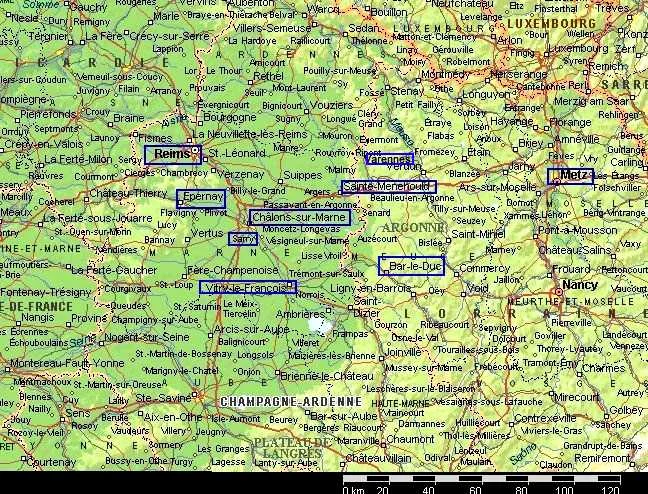
The lords of the Astino were vassals of the Count of Champagne and the most powerful of them were those of Dampierre, originally installed in the Old-Dampierre.
Subsequently, these lords had to settle, perhaps in the 11th century, in a large fortified castle (likely wooden) on the current hill of Dampierre, south of the church of Saint-Maurice. The village then took the name of Dampierre-en-Astenois to recall the dedication of the chapel of Saint-Pierre du château.
Extracts from the document of the University of Reims on "Vestiges d'habitat seigneurial fortifié du Bas-Pays Argonnais":
History of Dampierre Castle
Description of the castle of Dampierre
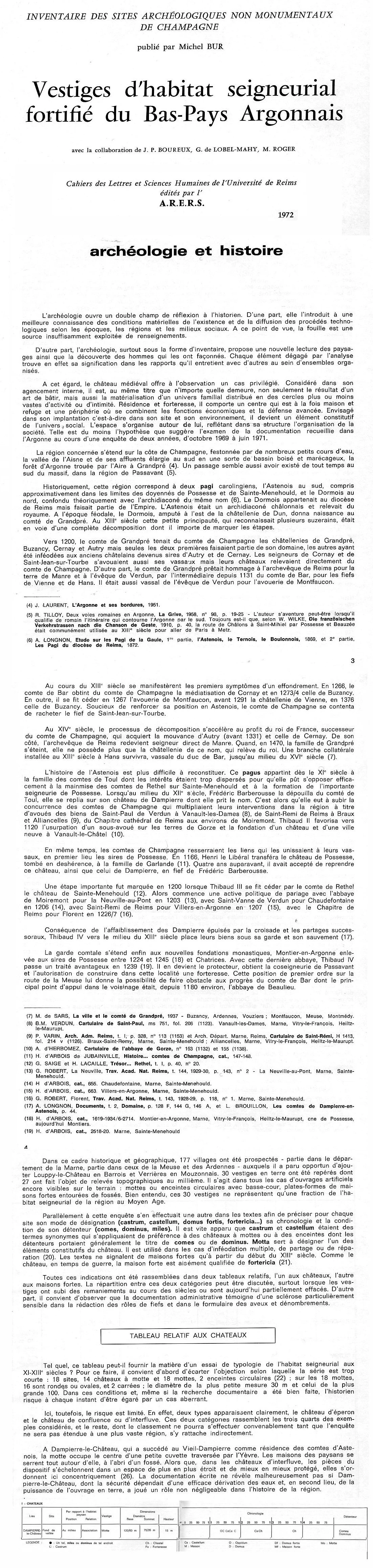
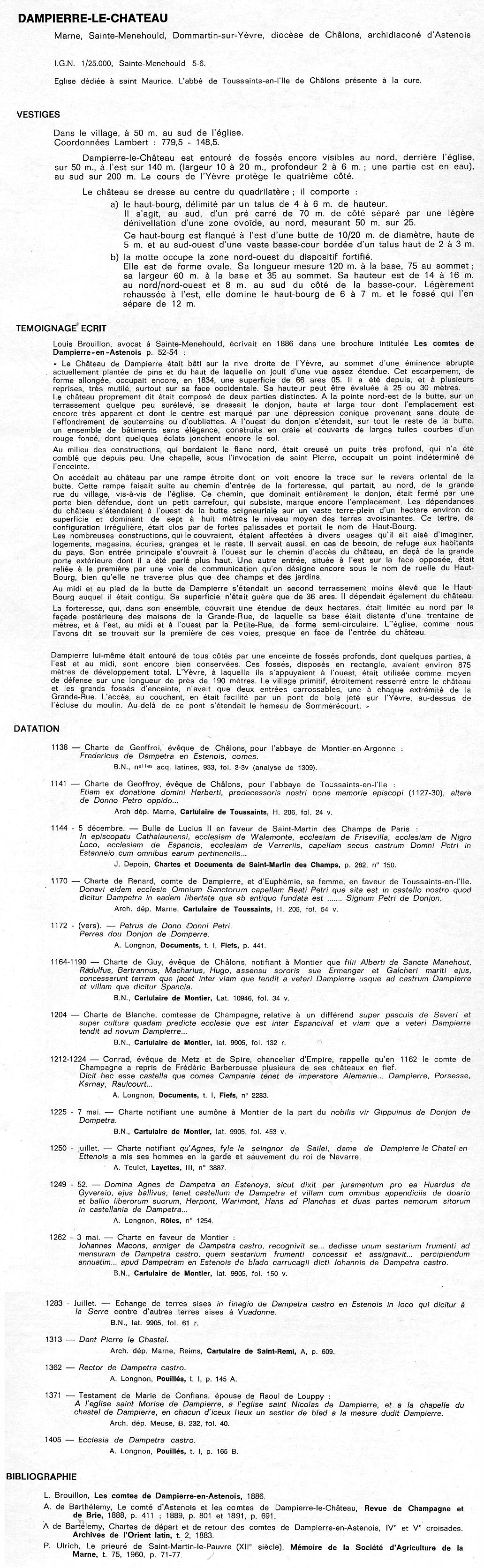
Note by Grannie (consulted at the library of St.Menou, the work of Brouclou (???), and the manuscripts of Suzanne and Andrée in the bookshop of the salon):
"A powerful family, the lords of Dampierre, ruled the province of Astino. control near the 2 rivers (Yèvres and Rouillat), By the way, the castle was surrounded by a ditch. In 1900, the site of the modest house, tower and well, and a door facing the church, was still visible.
The remains of a grave containing 2 black terracotta vases (which were in use from the 2nd century BC) were found in the limestone, and they contained 2 pieces to pass the boat to "Caron".
The fortified enclosure covered 2 hectares, with the dungeon at point NE, buildings, a well, a chapel, an upper town with shops, stables, barns, shelter for the village below.
The village itself was surrounded by a 875 m. long ditch, encompassing the Yèvres course over about 200 m. The village had 2 access and to the west, a wooden bridge led to the hamlet of Sommer short. The ramp to the castle was north of the hill, facing the village church.
The lords of Dampierre are known mainly from 12°s by the archives of the abbeys of the region.
Pierre, who in 1099 participated in the Crusade with Godefroy de Bouillon
Frédéric, in 1138, brother-in-law of the Emperor Frédéric Barberousse
Fox I, died in 1191
Renard II, cross, who was held prisoner in Aleppo, Syria for 29 years and died in 1234 after his return to Dampierre
Fox III, Anseau I, Anseau II, John I, John II, etc.
Grannie:
" In the 10th century, a handwritten document was held.
The family was ruined by the Crusades. The 4th Crusade, led by the Count of Dampierre, was divided in two, the Lord of Dampierre commanded that which left Italy by sea, destroyed at Aleppo. (in Syria)He remained a prisoner for 37 years, and died the year of his return, noting the mismanagement of his wife and son for the benefit of the Cistercians!"
The seigneury of Dampierre consisted of many castles and houses, either directly or by vassals, including:
Dampierre-en-Astenois
The Neuville-aux-Bois
Expenditure
Black
Maupertus (near Sailing)
Old-Dampierre
Dommartin
Varimont
Rape
Givry
Belval
Herpont
Hans
Requigny (near Ante)
………
Furnaces (bake or potter)?, mills and fisheries were also granted by the lords:
Herpont and Dommartin ovens, common Dampierre oven, Dampierre mill, fishing in the pond of Dampierre......
Grannie:
"Beatrice de Dampierre married Eustache de Conflans who had defended Chalons against the English; his eldest son Jean, Senechal de Champagne, friend of Charles V, was murdered by order of Etienne Marcel, when he invaded the Palace"
The title of Count of Dampierre was awarded under Louis X at 14°s. (Grannie:"they took the title of Count under Louis XIV"
The castle of Dampierre was burned around 1545 or 1555, during the Wars of Religion, by the Duke of Guise (of the Catholic Party).
Expenditure
In particular, from that time on, the current name of Dampierre-le-Château became the only one used, but the Counts of Dampierre then abandoned the localities and care of the rivers.
Grannie: "Baron de Hans, the Lord of Dampierre Hans"
The current family of the Val de Dampierre (at the Castle of Hans near Valmy) is also native to Caen, the seigneury of Dampierre and the Barony of Hans having been brought in dowry to Jacques Duval de Mondeville, by Anne de Bossut at 16°s.
Under the Fronde, at 17°s, the castle (or the strong house?) of Sommer
was destroyed.
During the Revolution, the Count of Dampierre went to meet the King, prisoner, at his passage near St. Menou's return Varennes, He was buried in Chaudefontaine and exhumed in a grand ceremony under the Restoration. But while waiting for the inhabitants of Herpont and Dampierre took advantage of it to take possession of the lands of culture belonging to him.
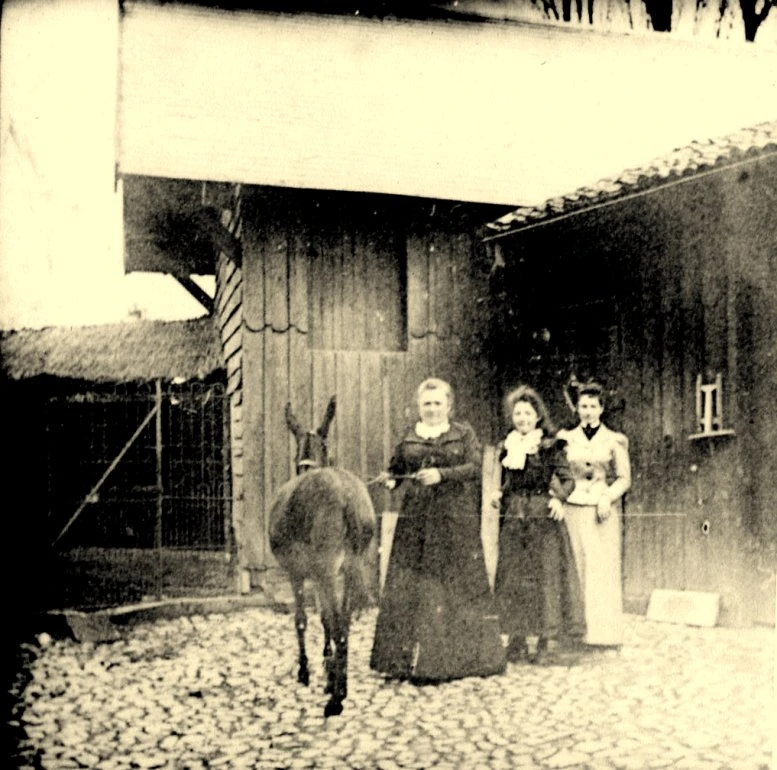
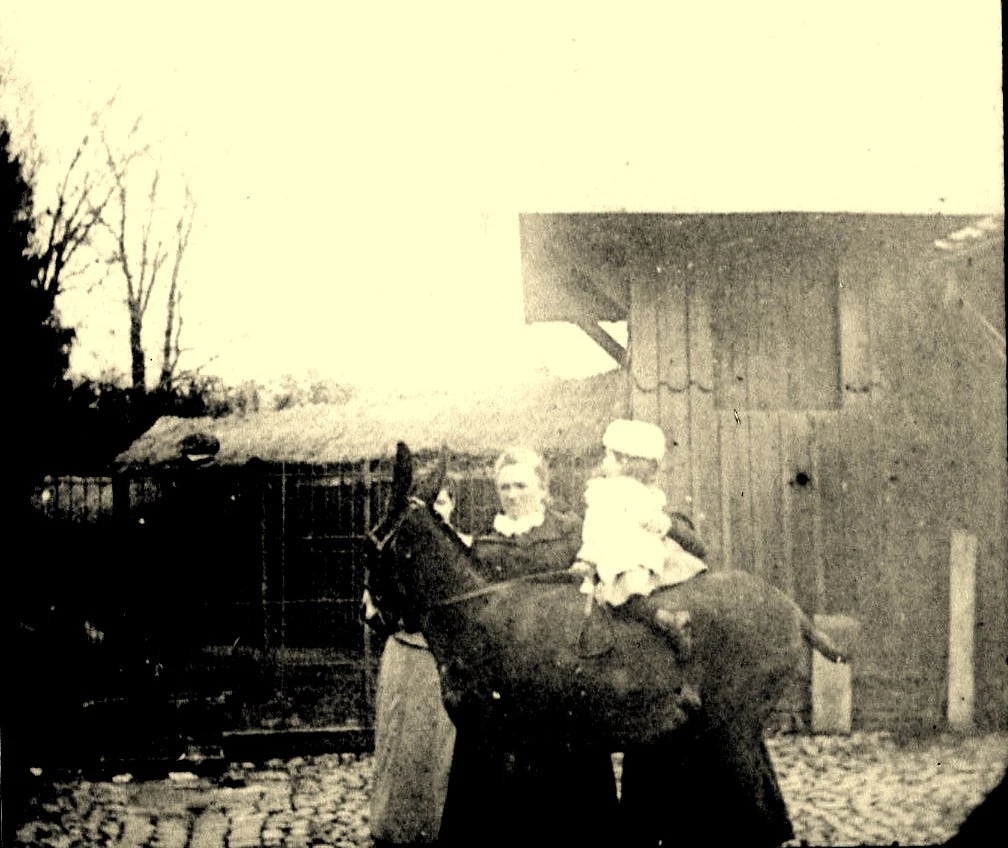
(details)VM037, Dampierre Farm, circa 1895
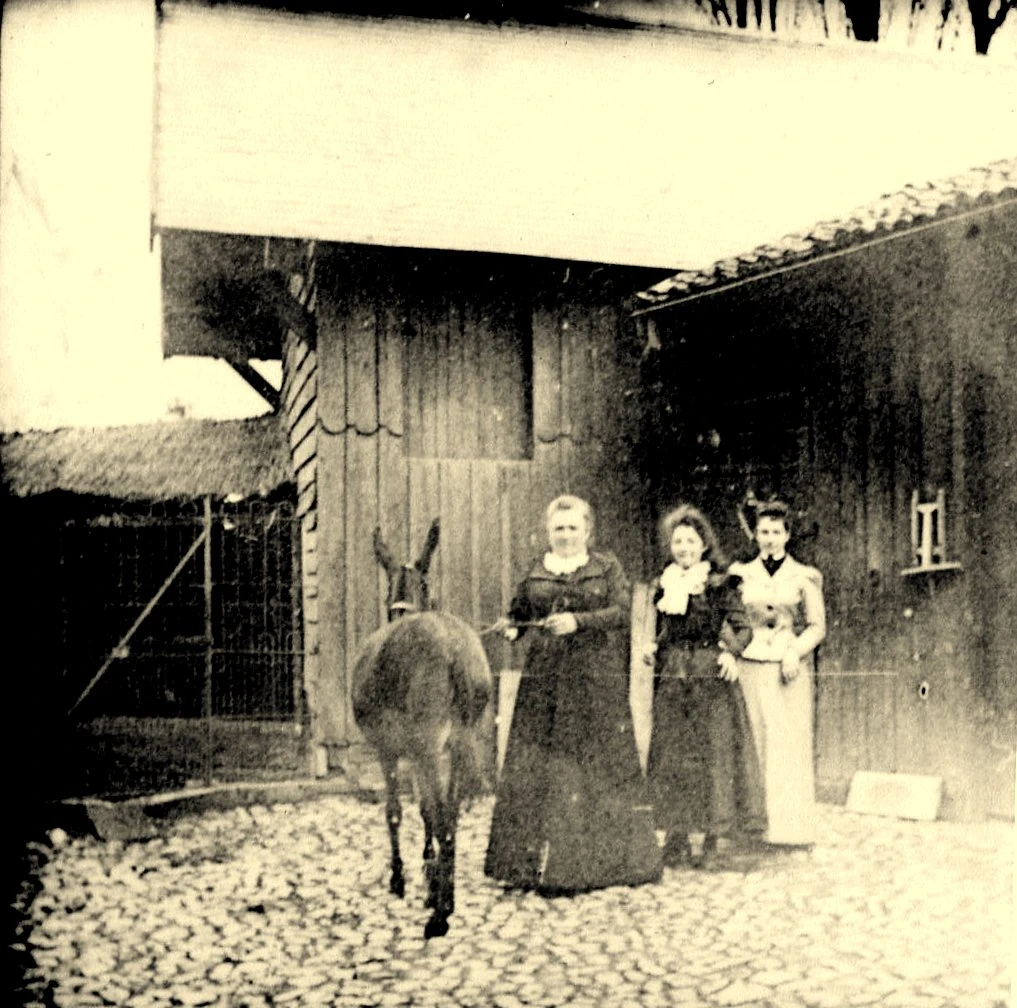
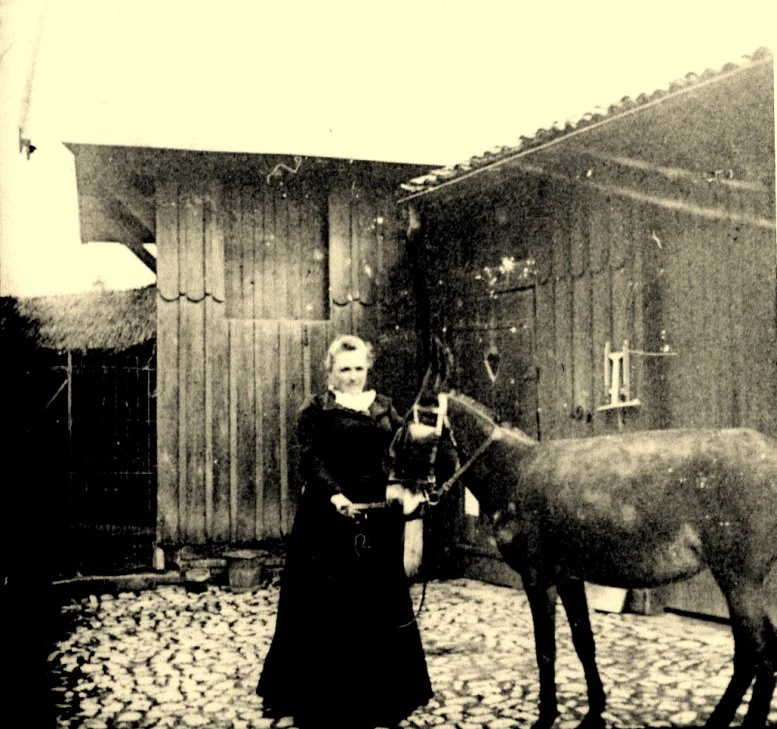
(details)VM036 - Marguerite Maillet, Dampierre (farm, circa 1895)
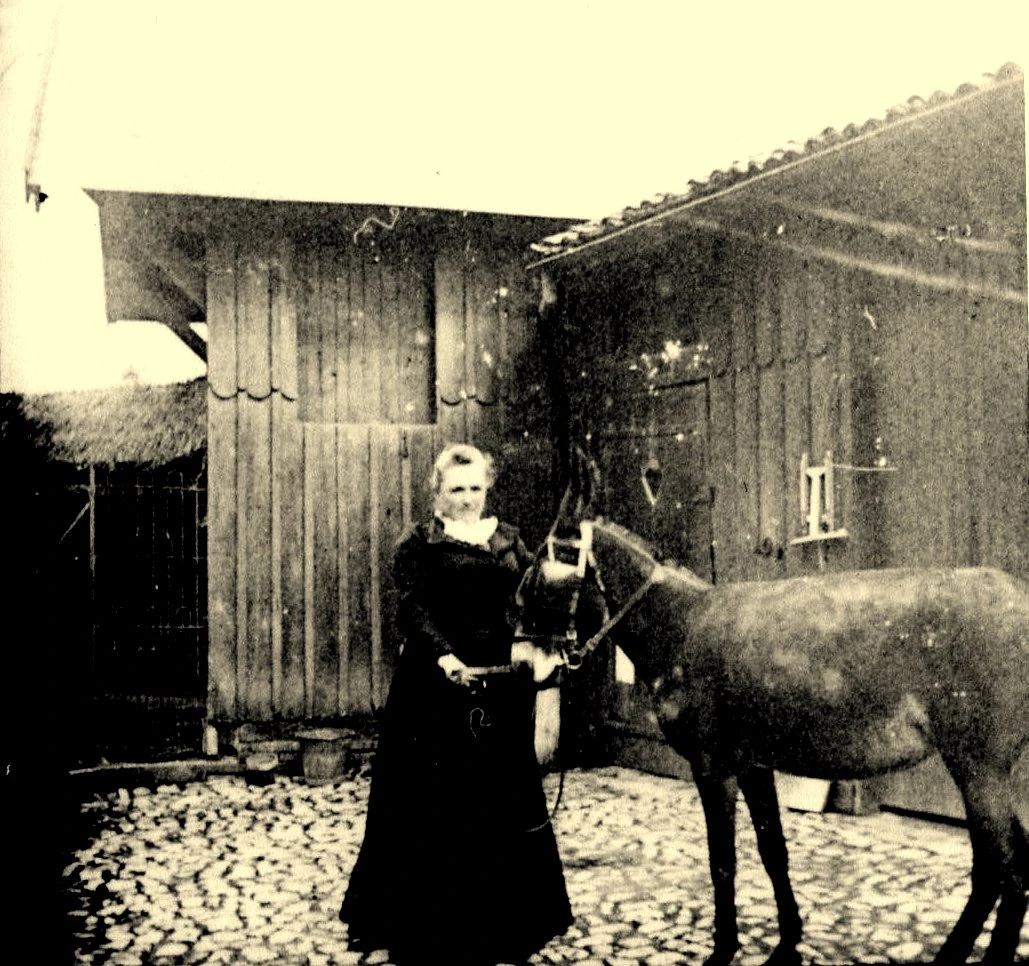
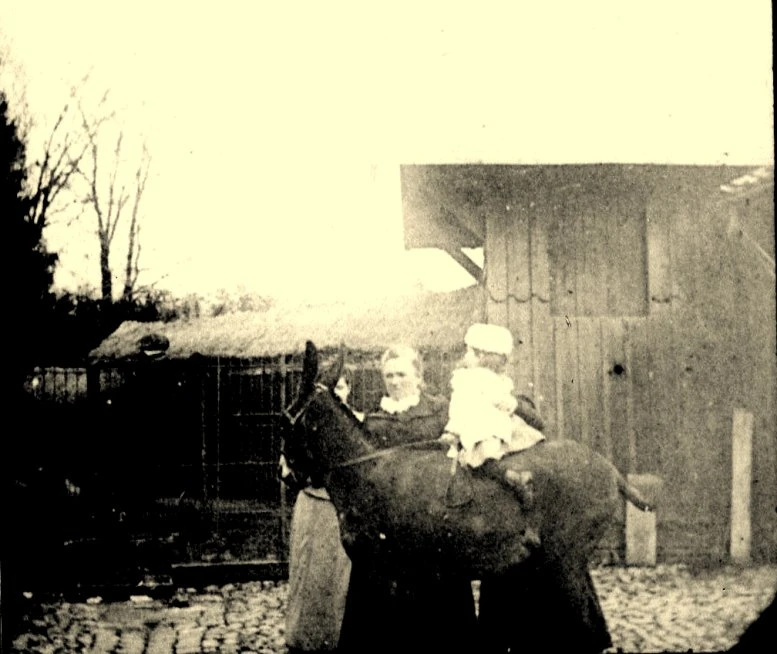
(details)
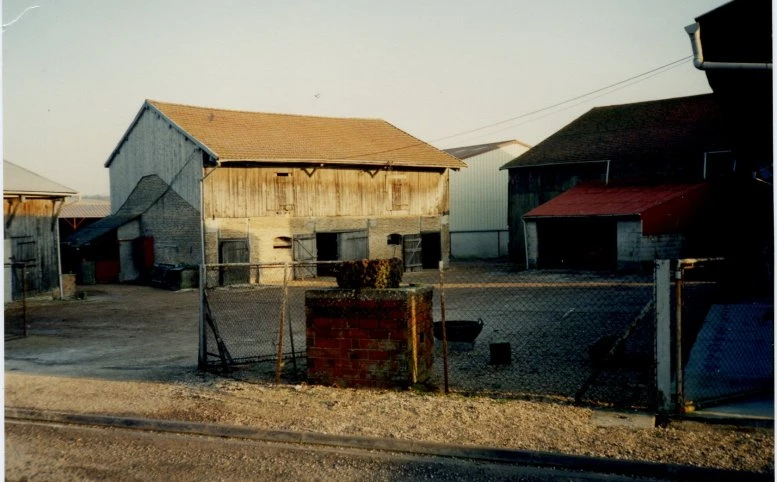
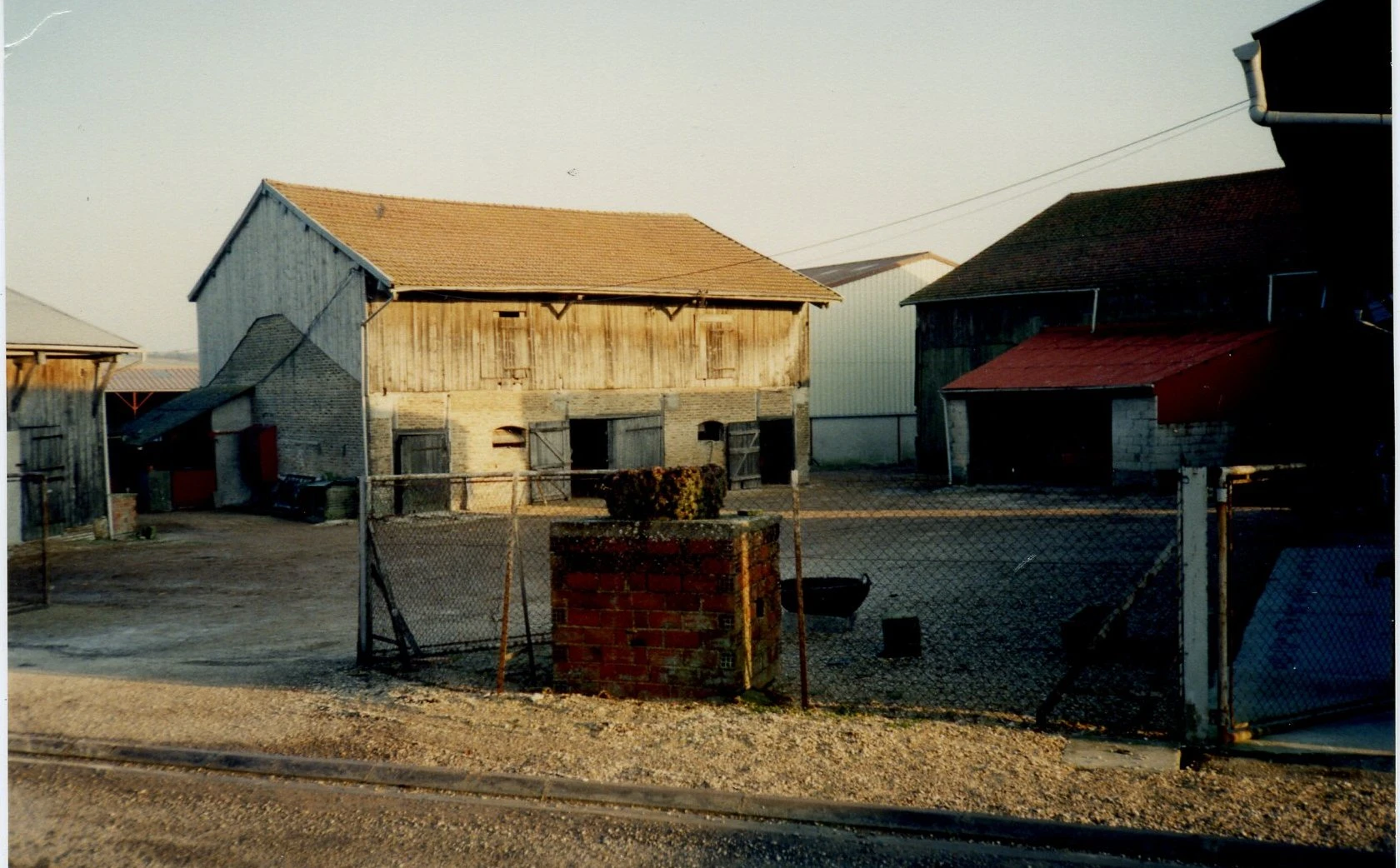
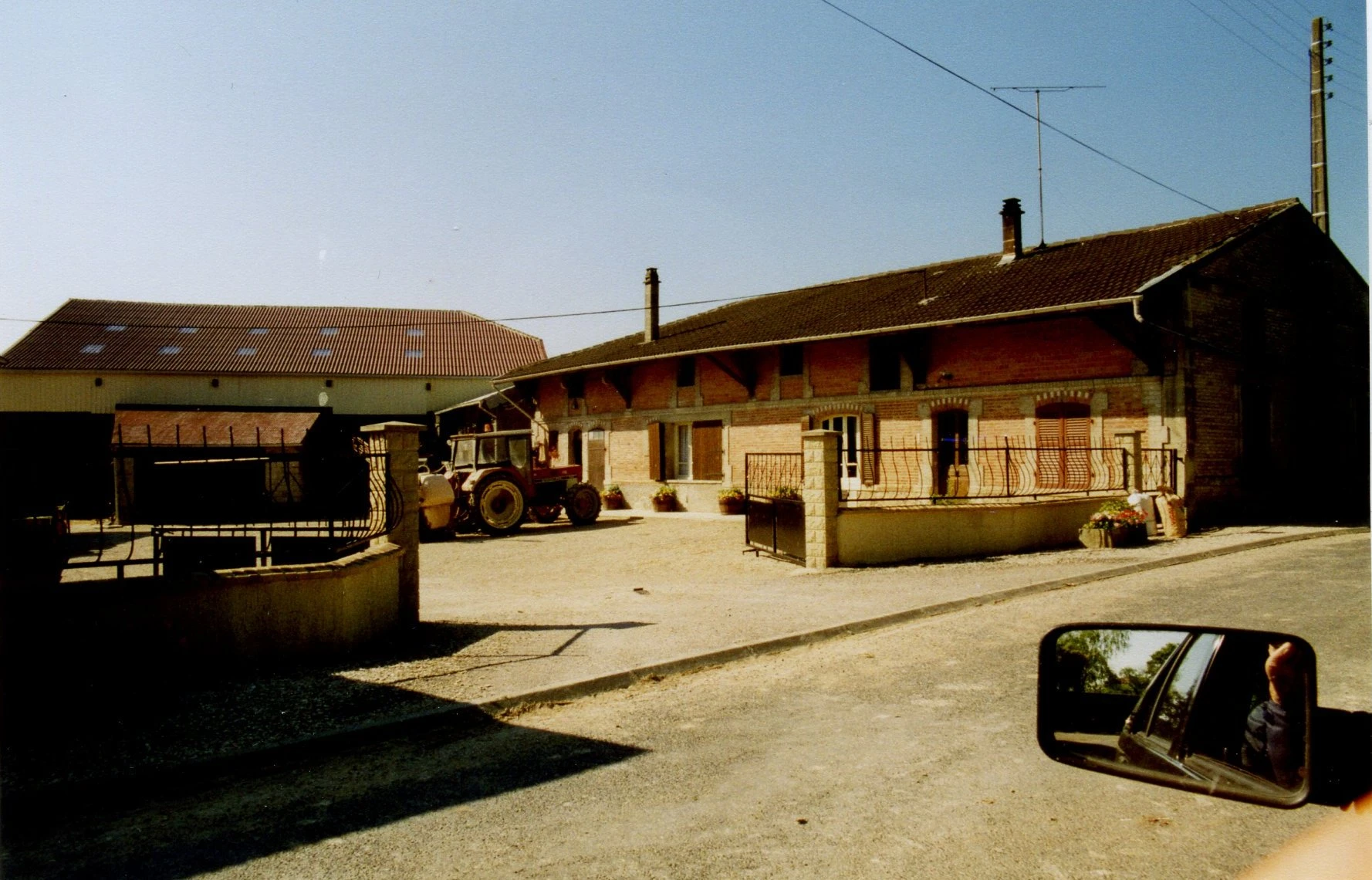
(details) Dampierre farm, circa 1990 (former personal farm)
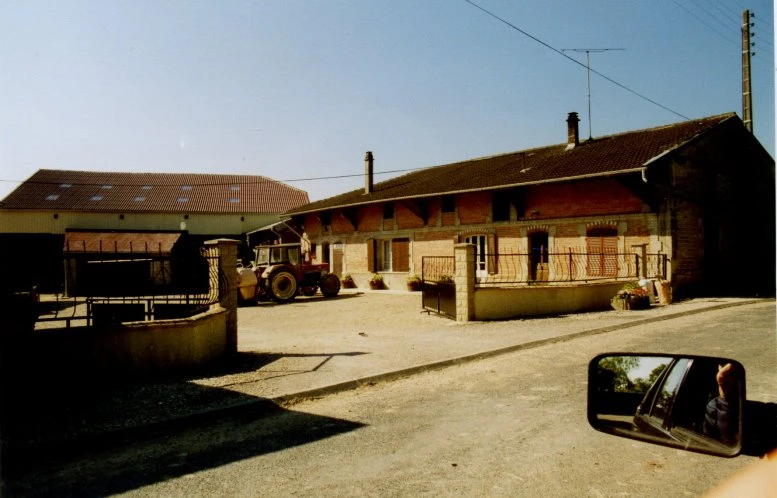
(details)
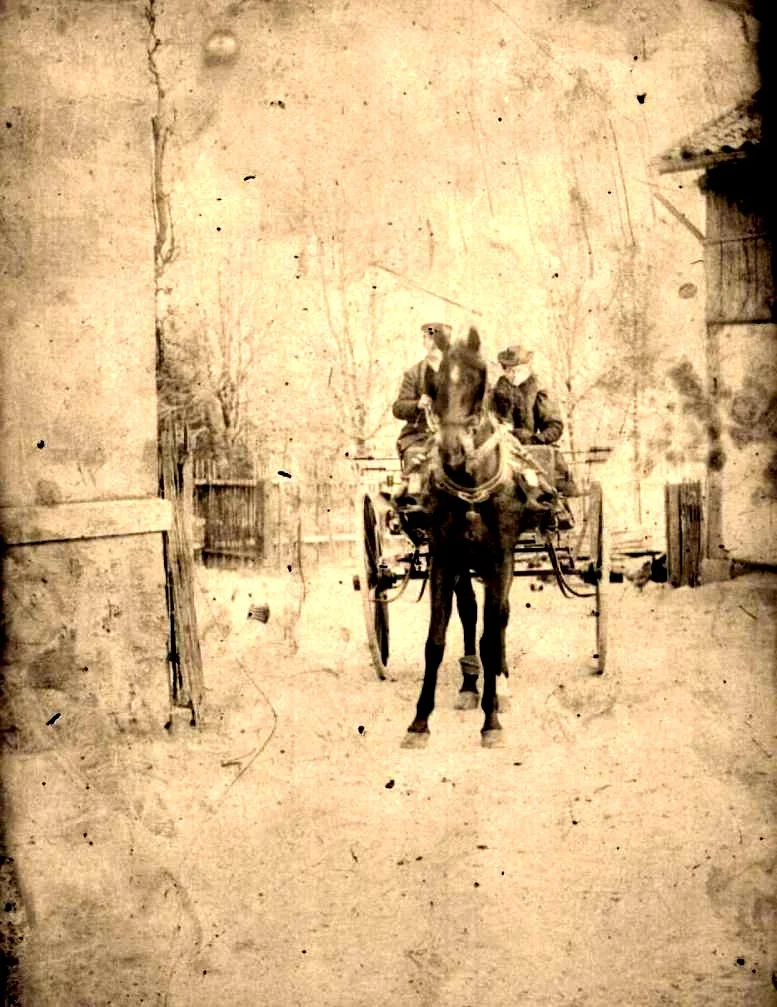
JCT048 -(details)- Horse car,
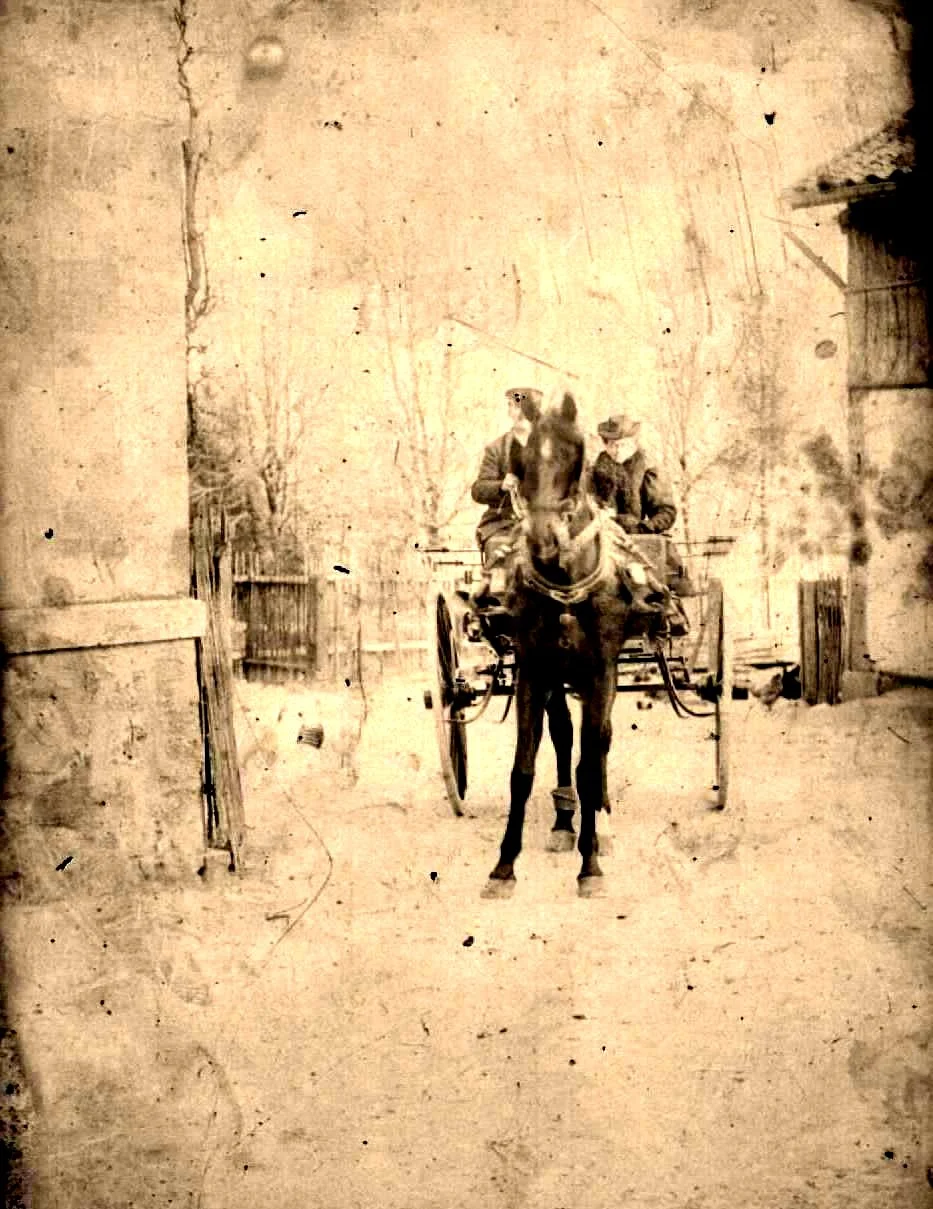
Dampierre, circa 1894
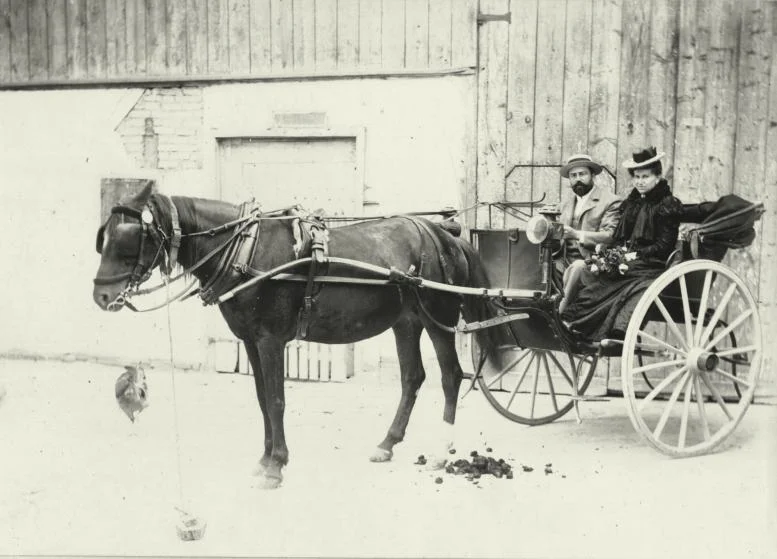
(details) Dr. Colin in the court of Dampierre, June 1899
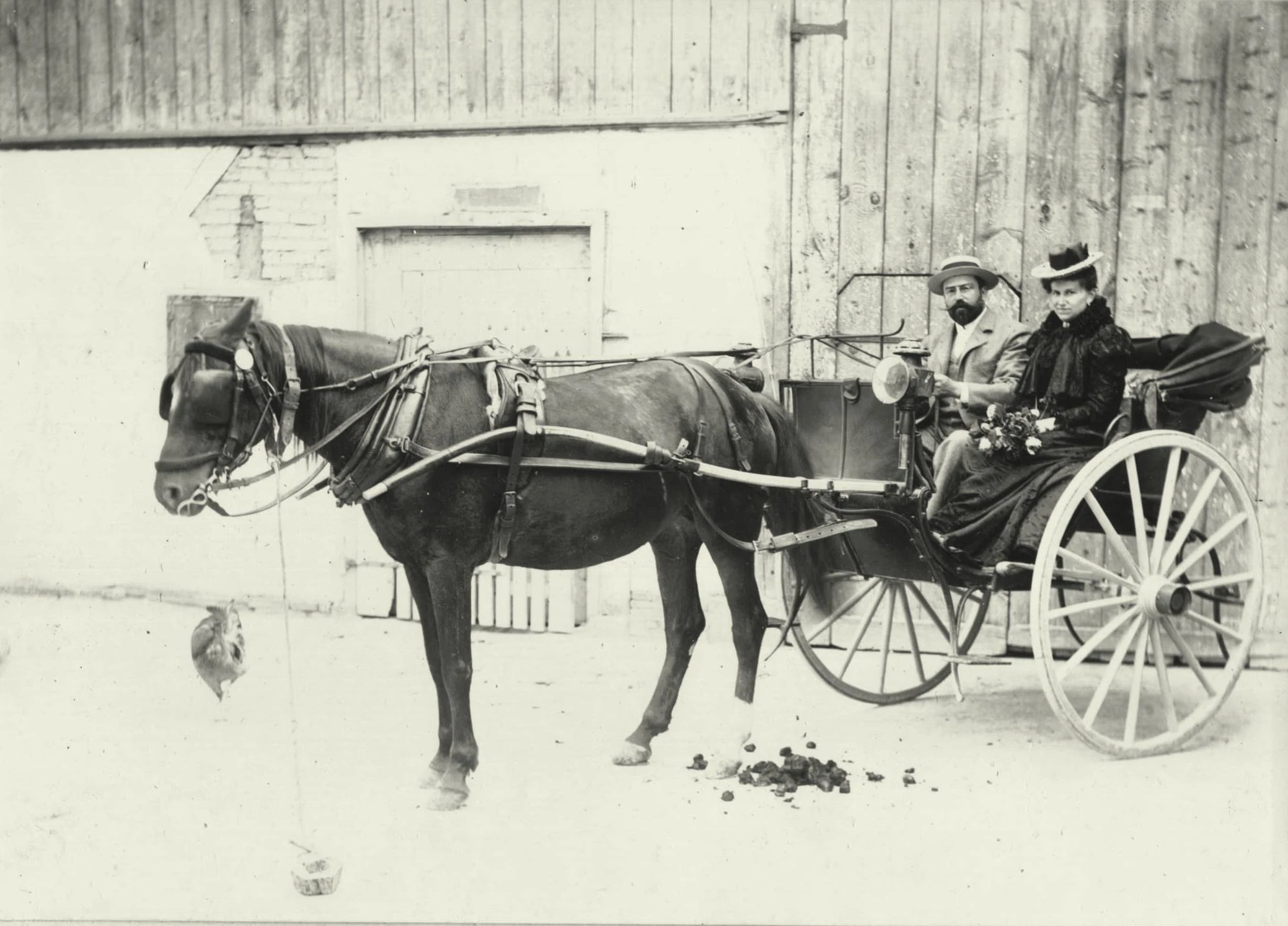
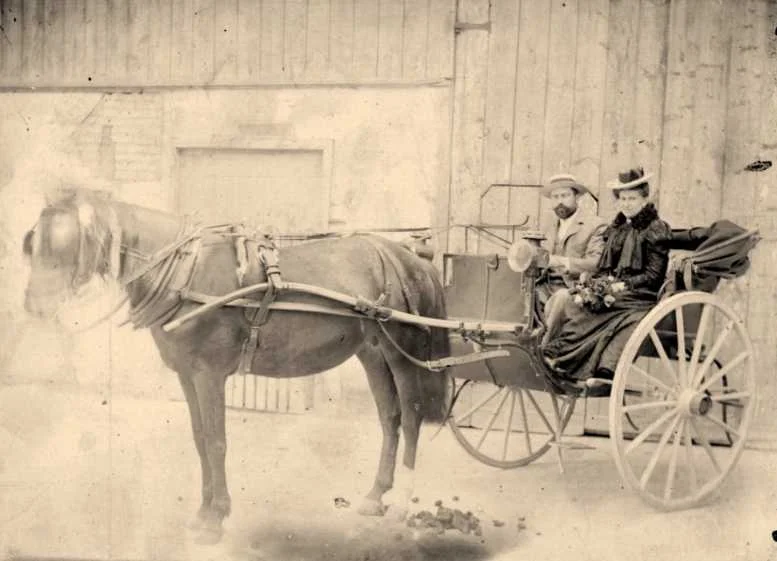
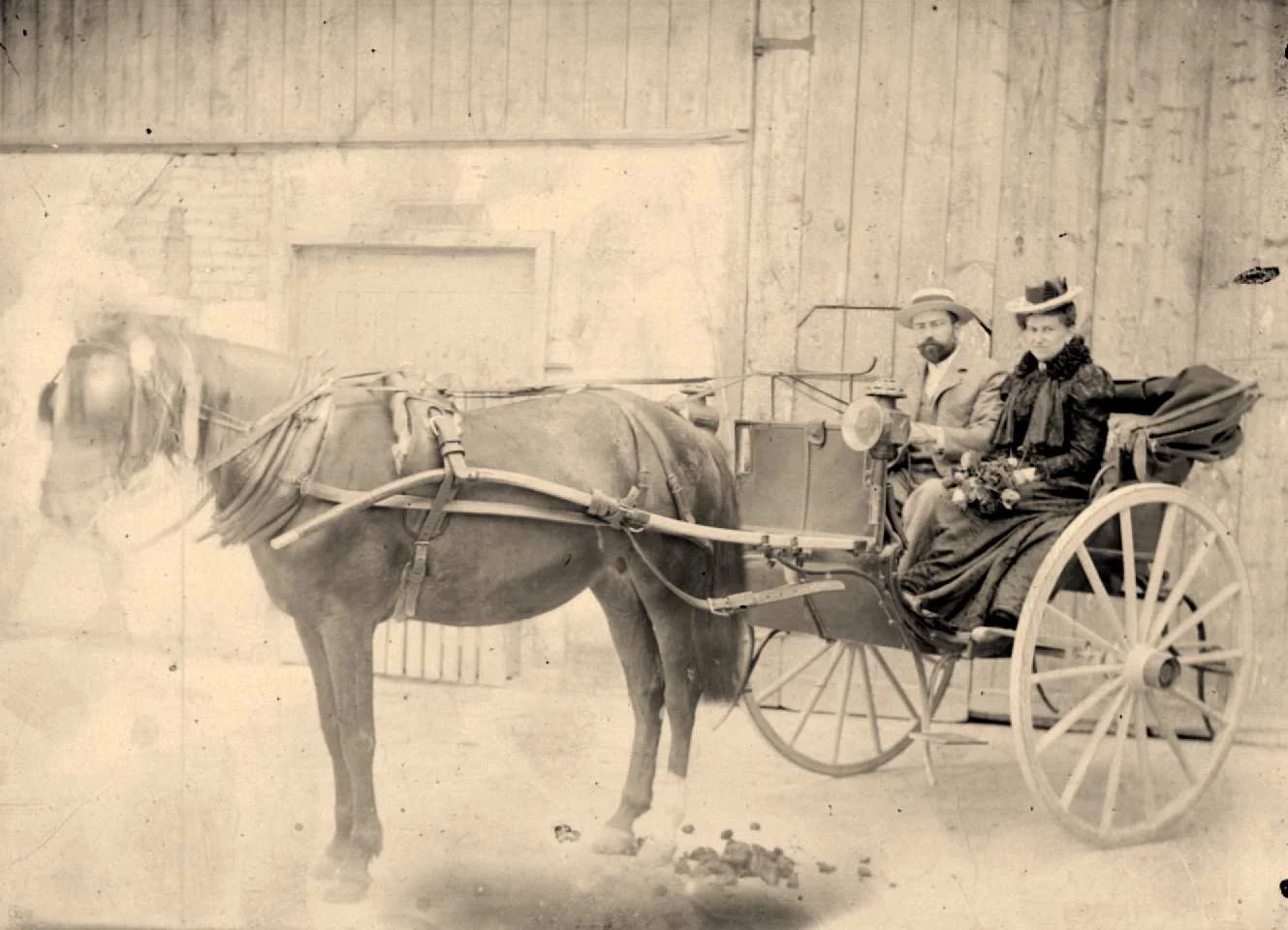
JCT143 -(details)- Dr. Colin, June 1899, Dampierre
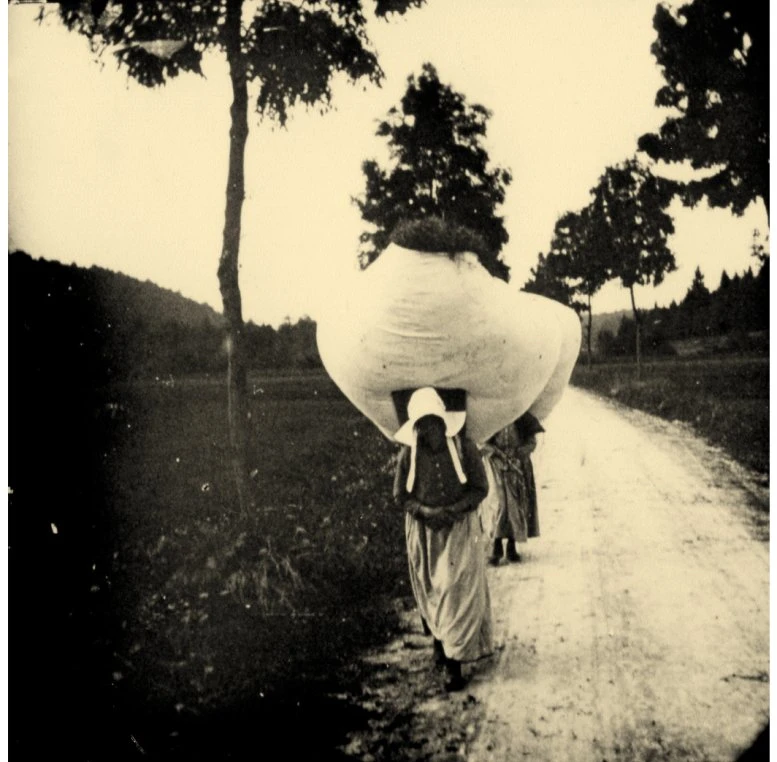
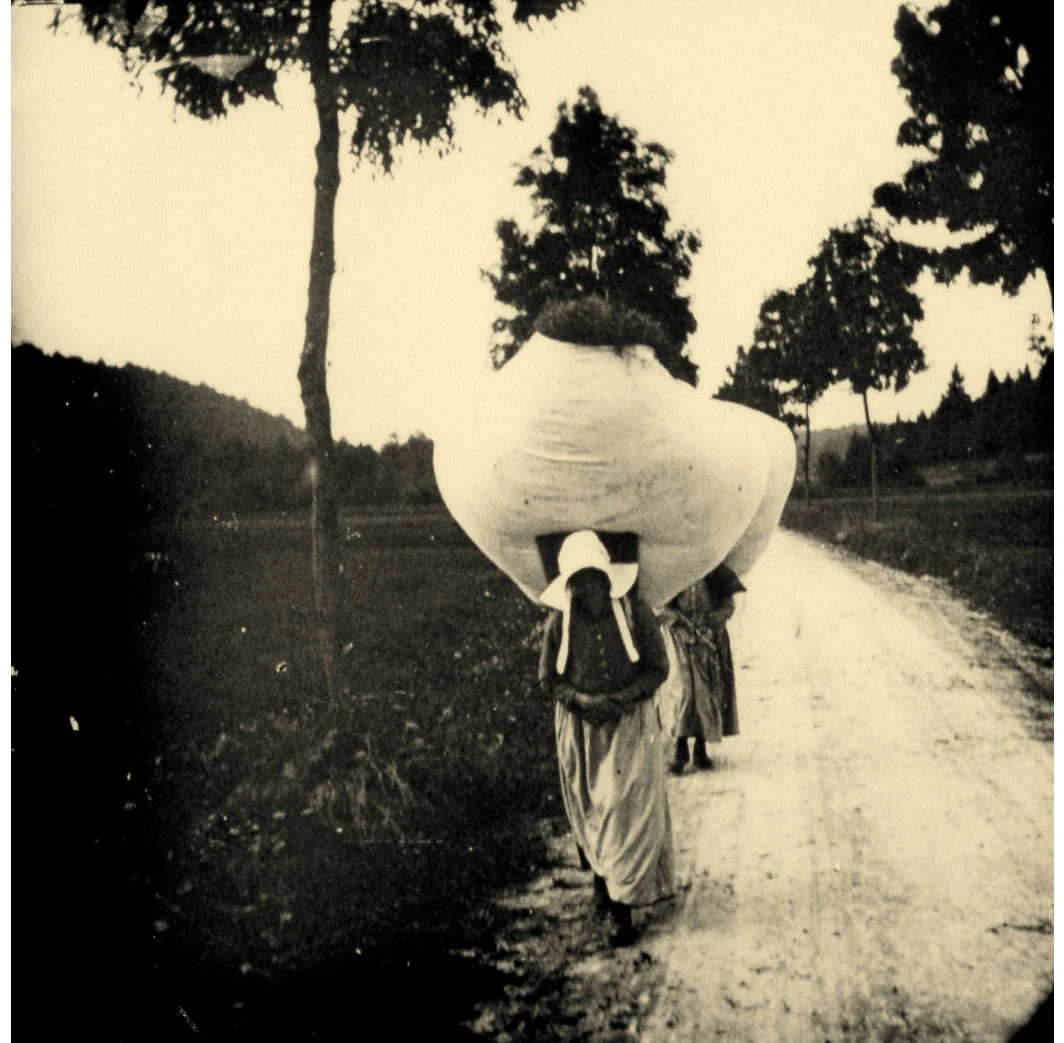
(details) VM008 - Farmers carrying hay, circa 1895
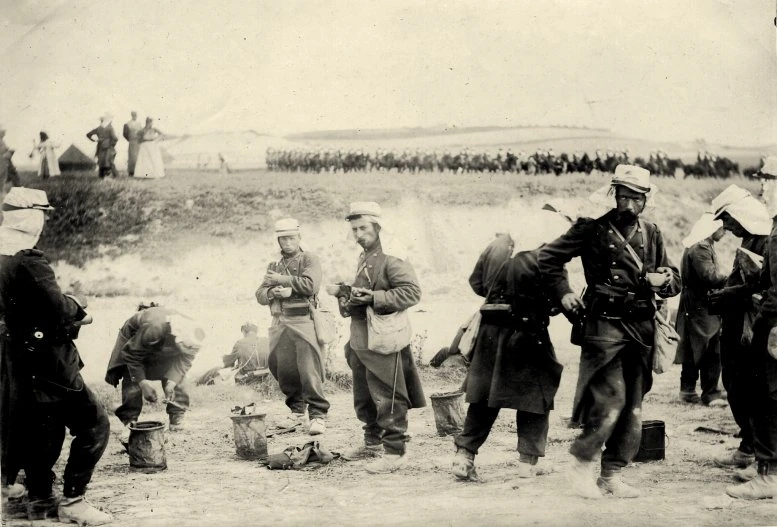
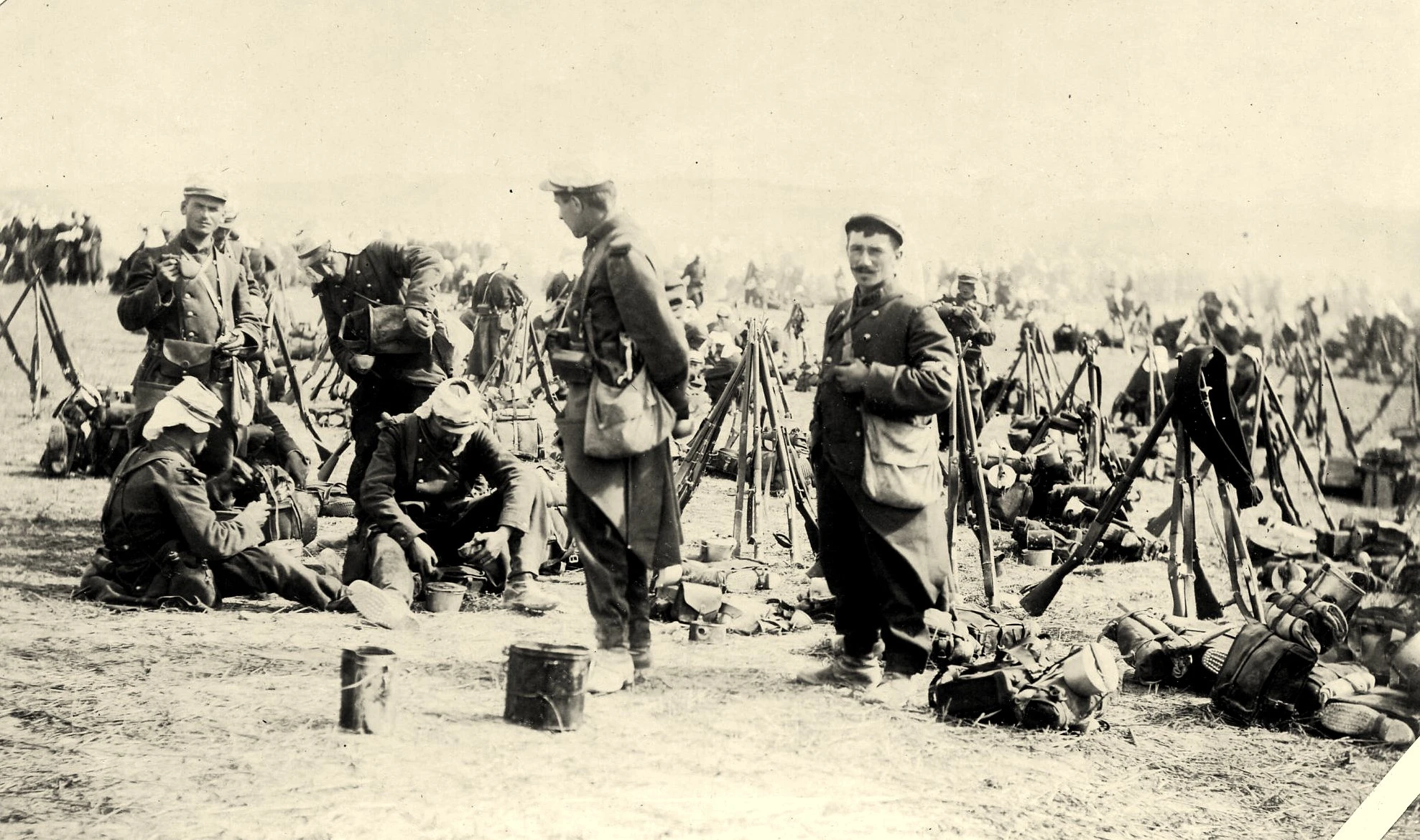
JCT118 -(details)- Military in manoeuvres, around 1894 in Dammpierre
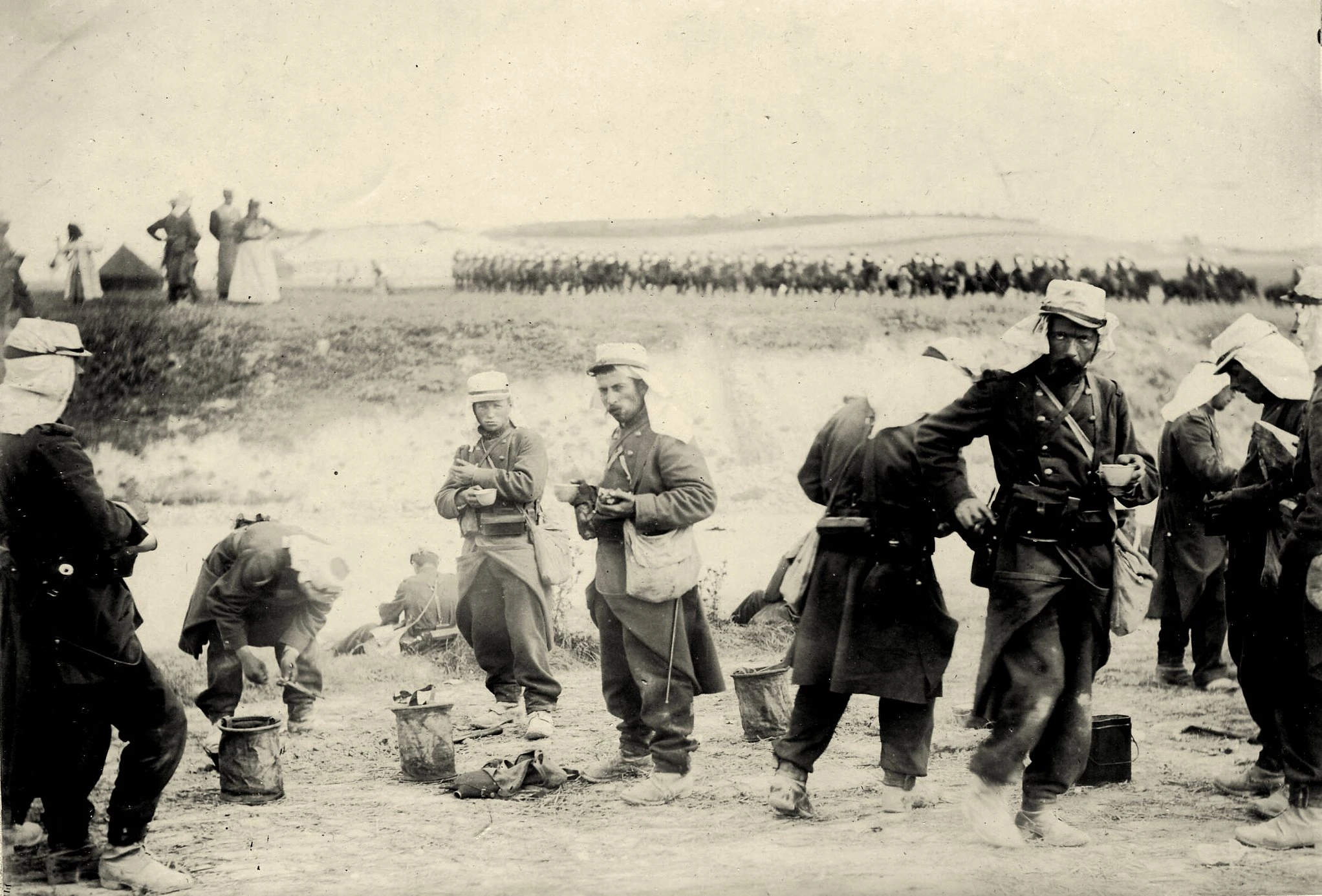
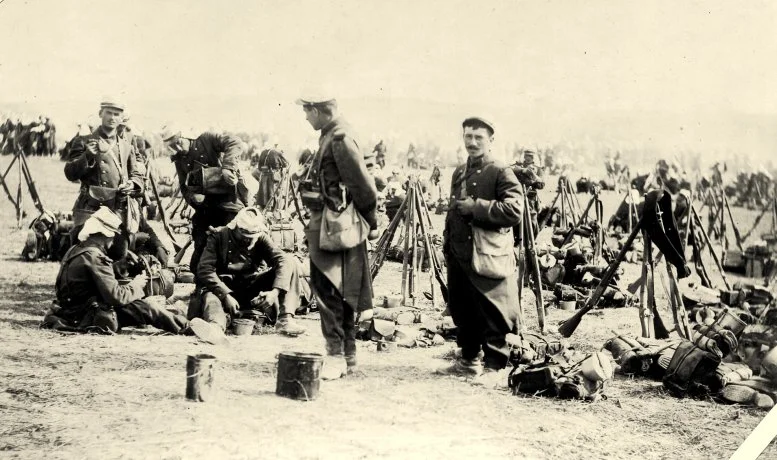
JCT124 -(details)
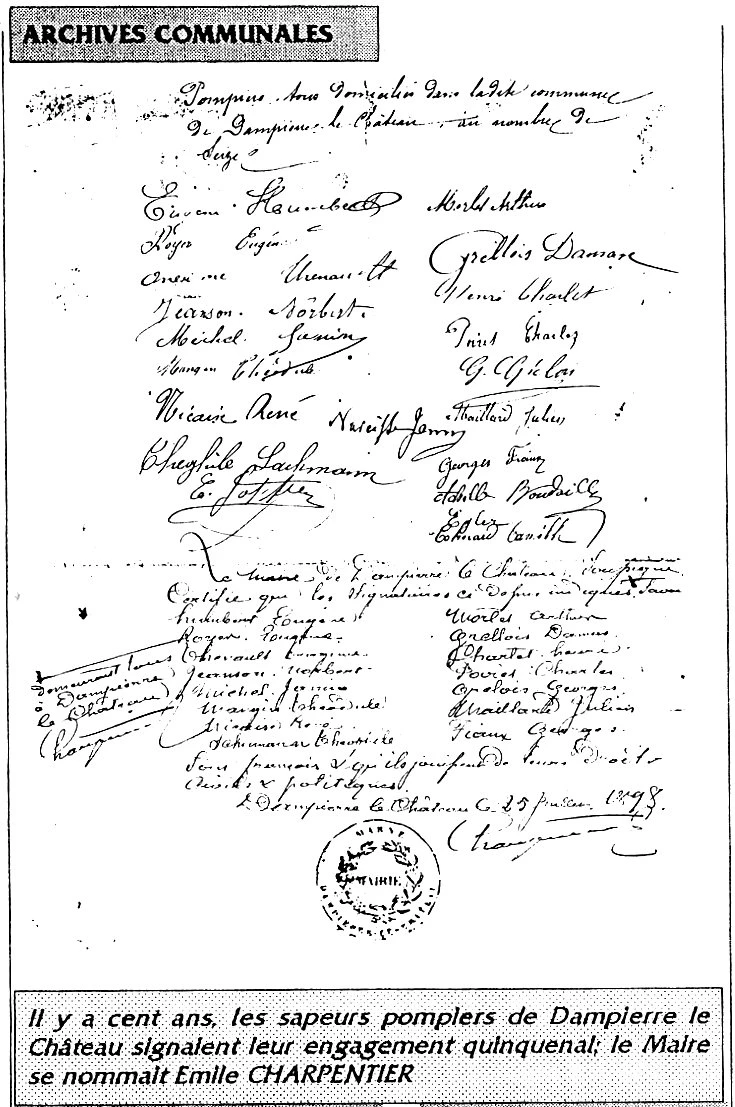
On July 25, 1893, the firefighters of Dampierre, in front of Emile Charpentier, mayor
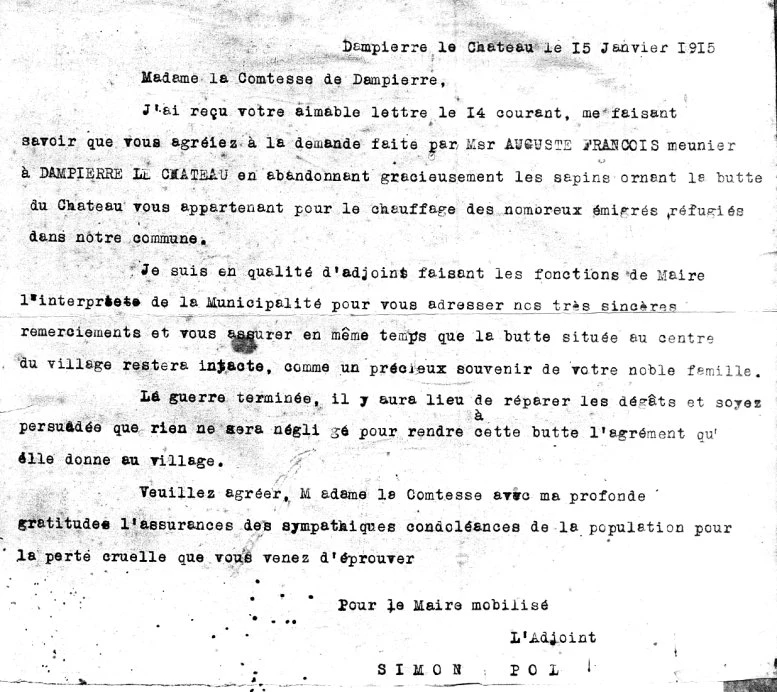
On 15 January 1915, the town hall thanks the Countess of Dampoierre for giving grace to the fir trees of the castle, to allow the heating of refugees housed in the village during the war
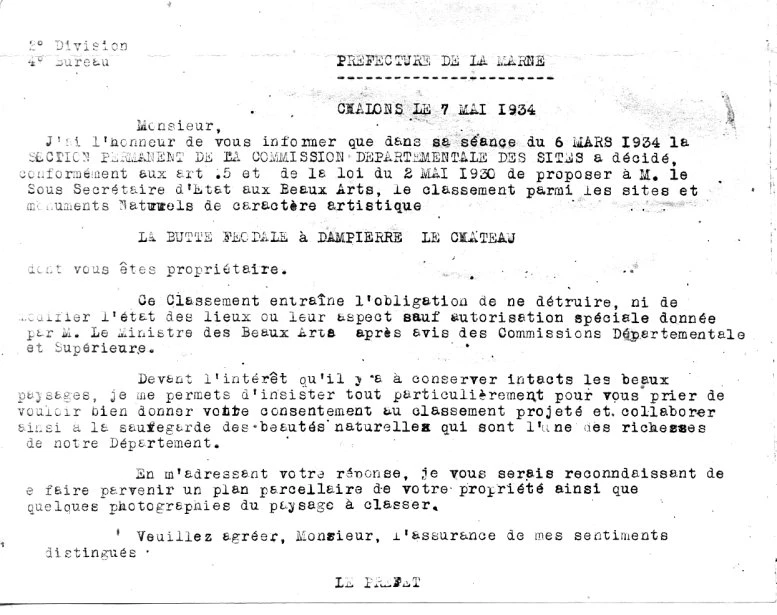
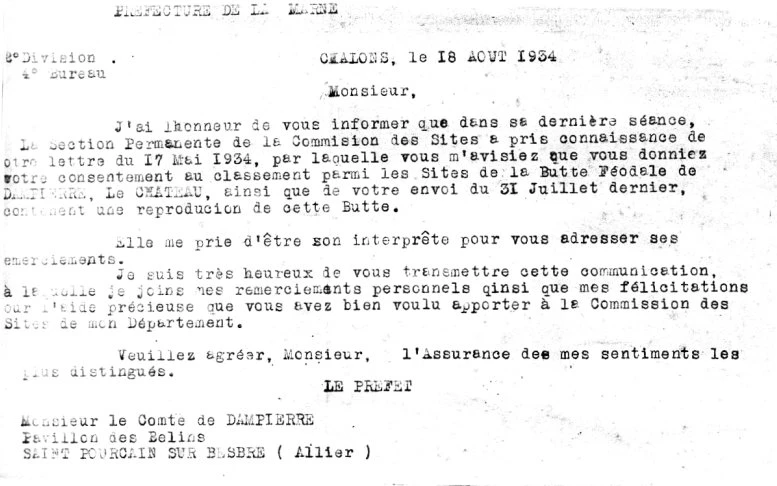
On May 7, 1934, the Commission des Sites asked the Count of Dampierre for permission to classify the hill of his historic castle, and on August 18, 1934, the Prefect thanked the Count for his agreement.
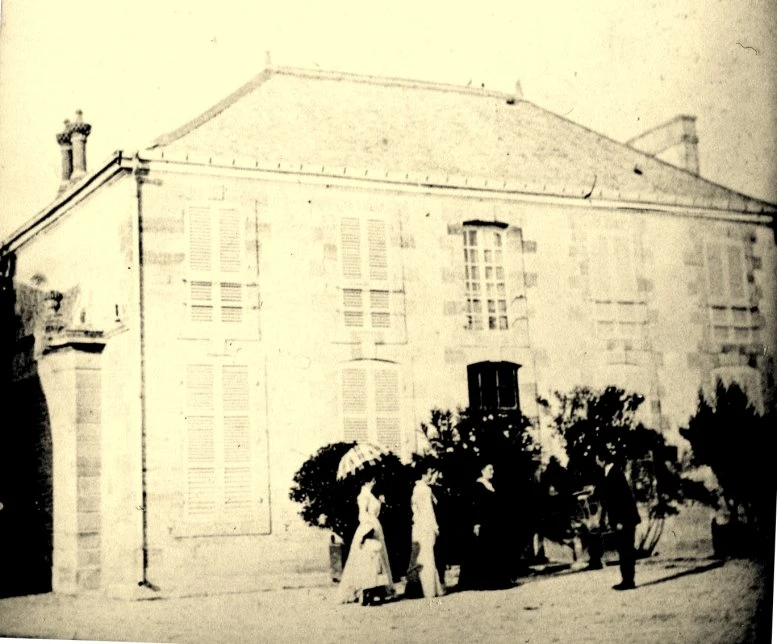
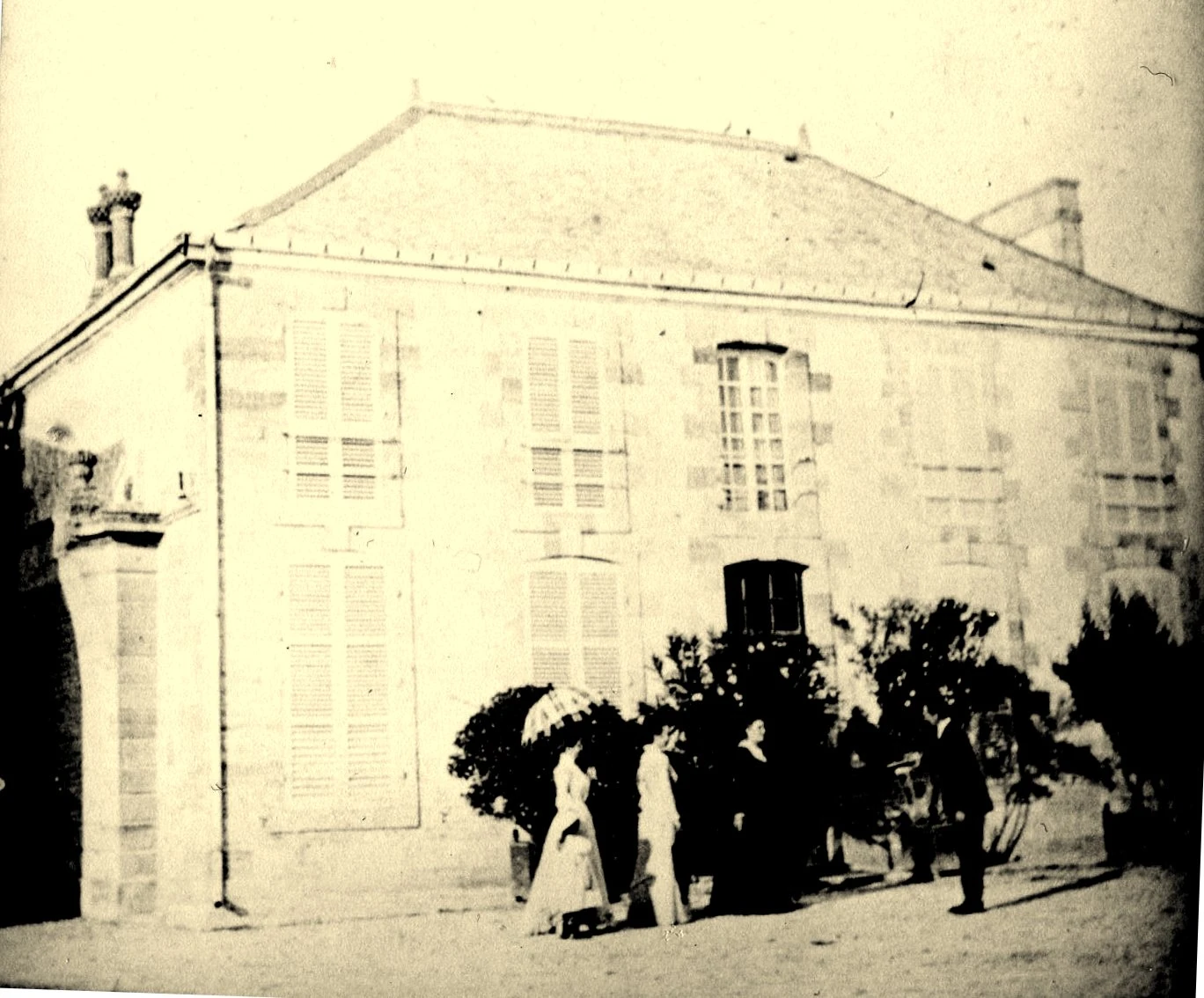
(details) the Charpentier's house in Dampierre, circa 1900
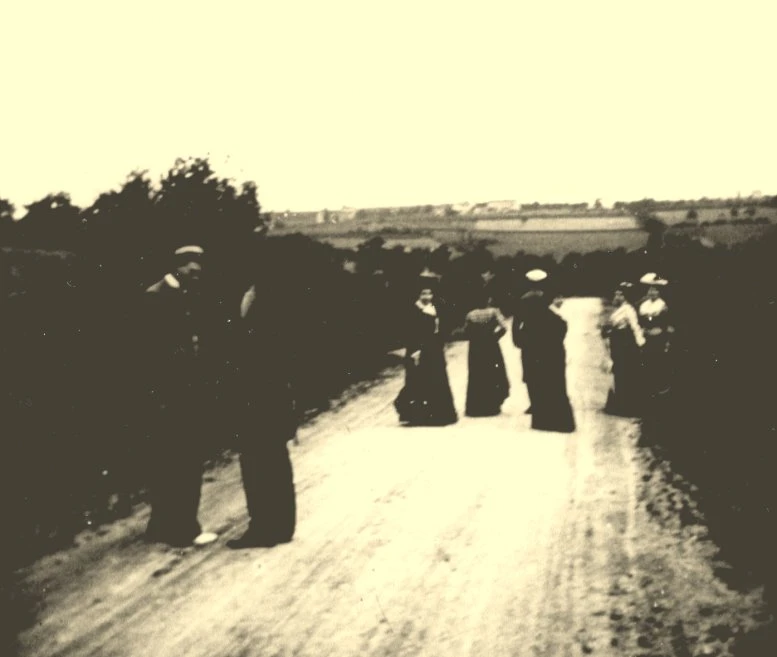
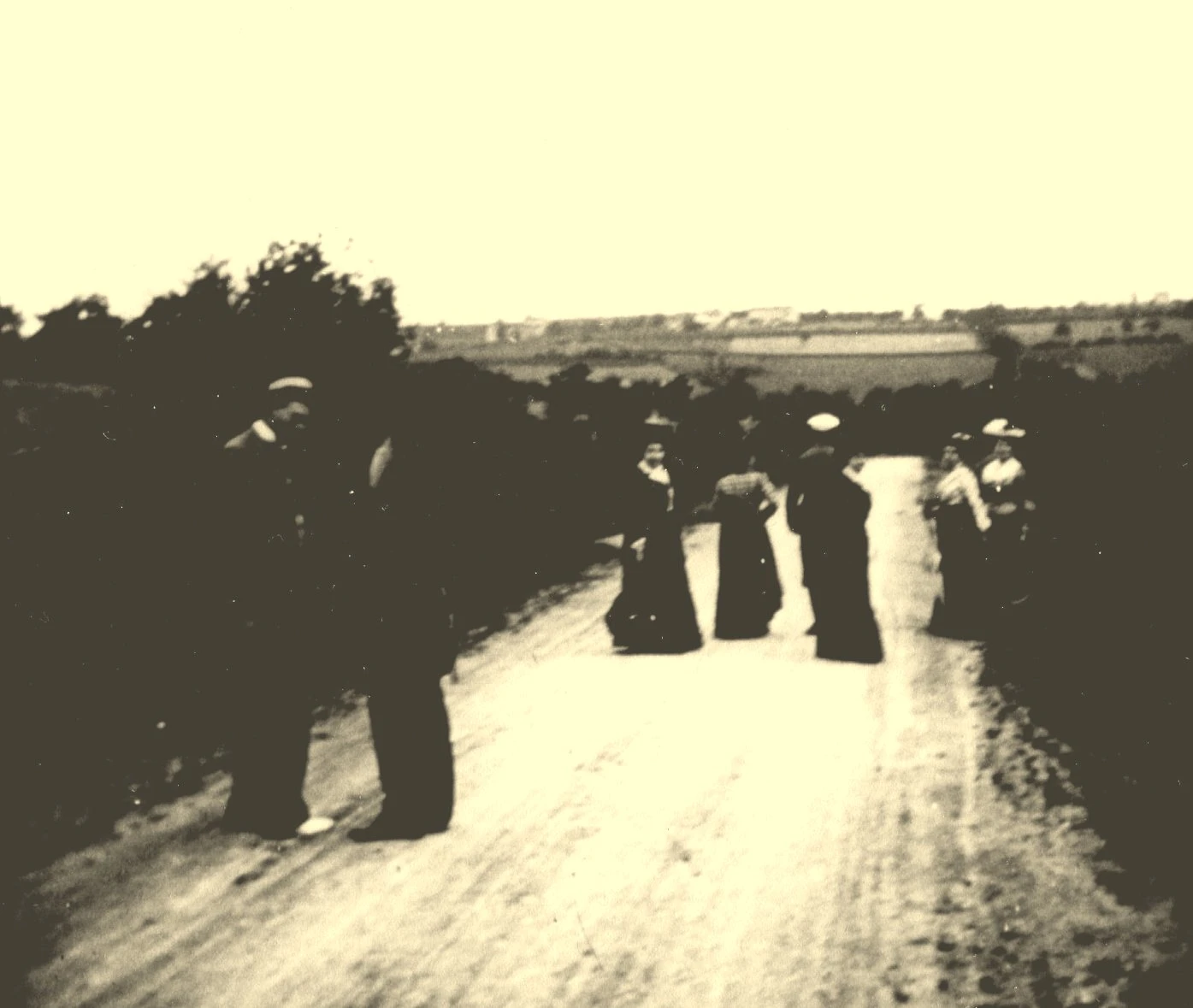
(details)
on the roads of Dampierre around 1900
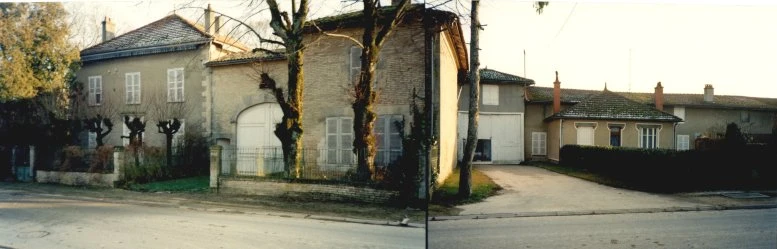
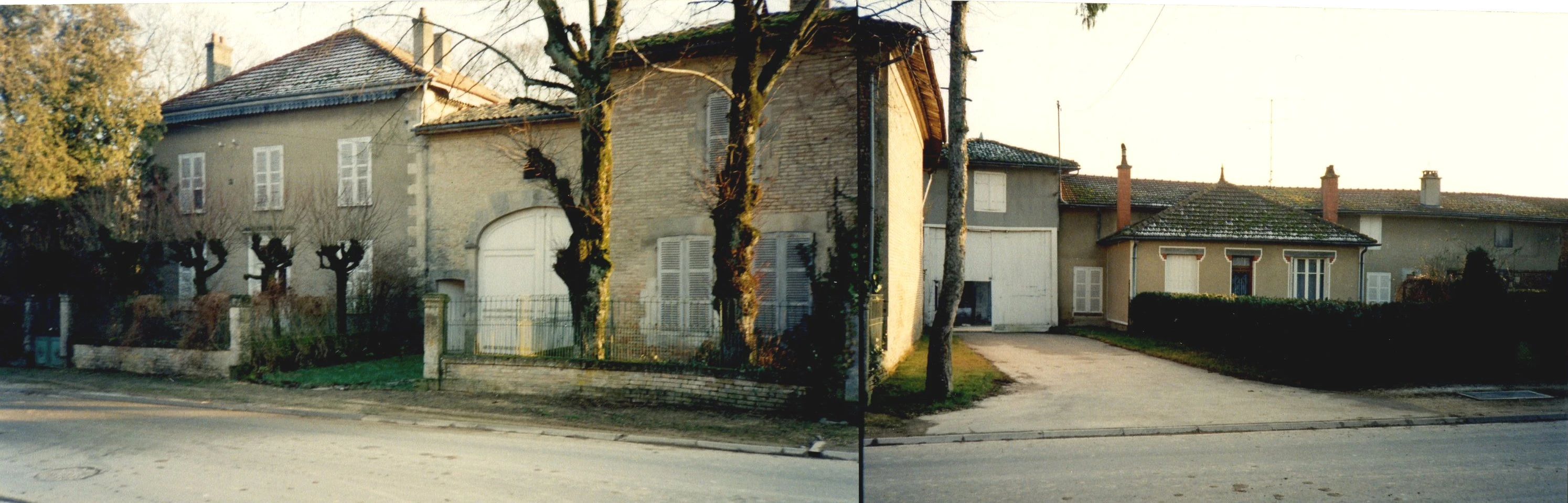
(details)
the house of the Rougier in 2001
Postcards and photos of Dampierre
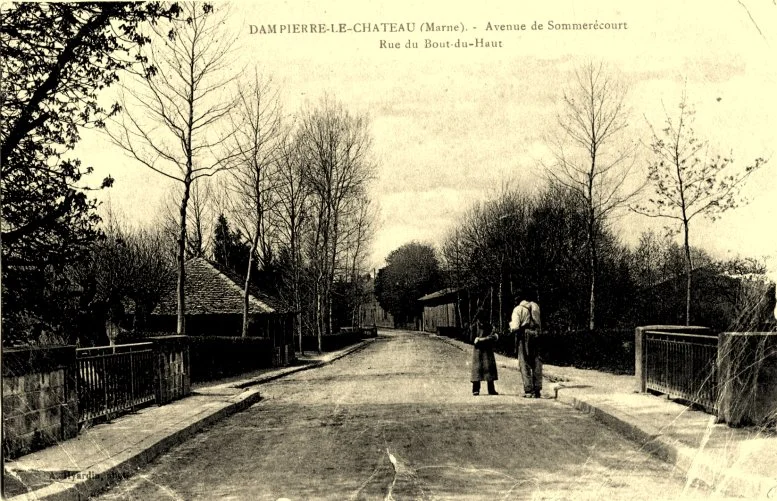
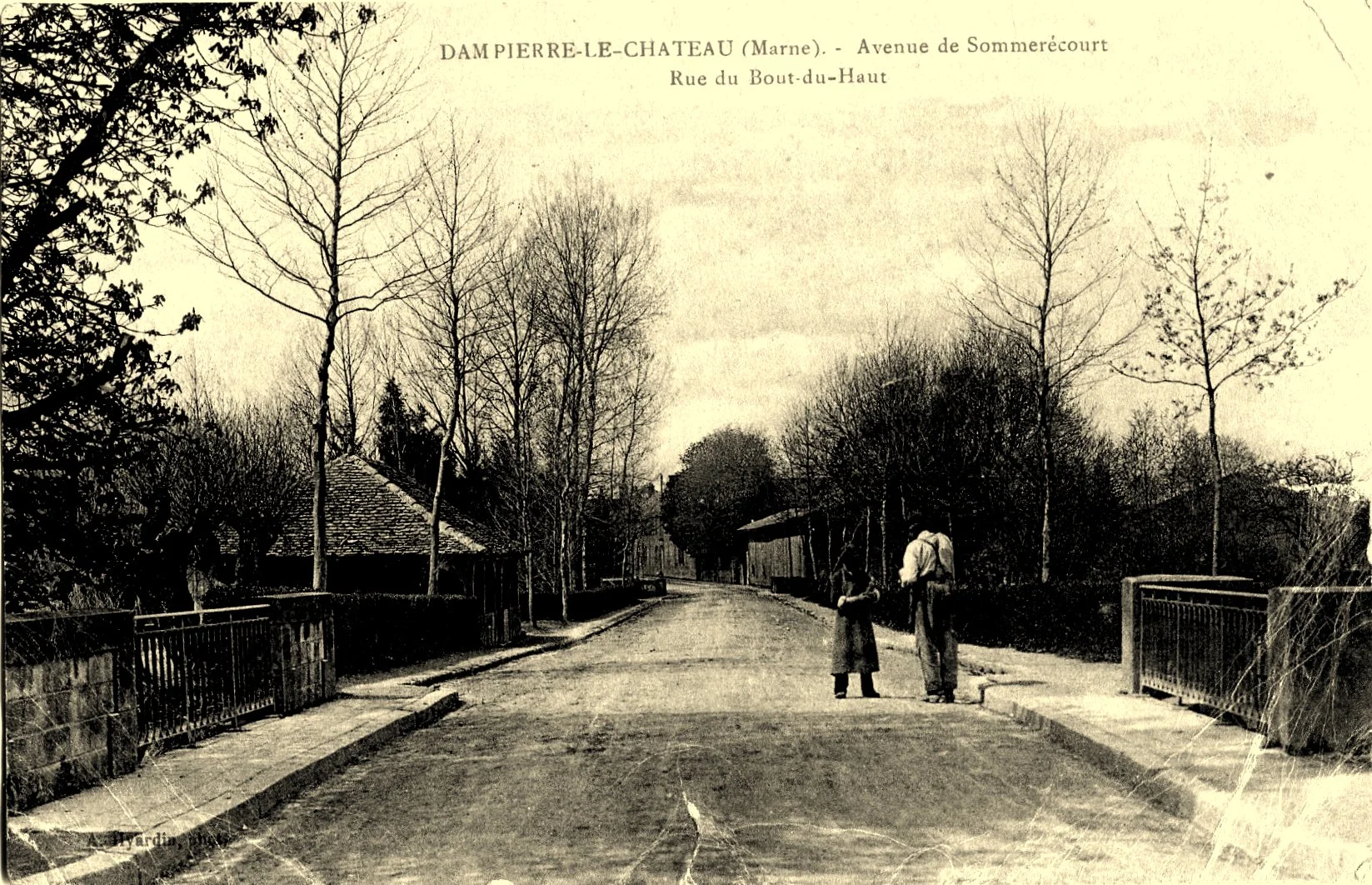
(details)
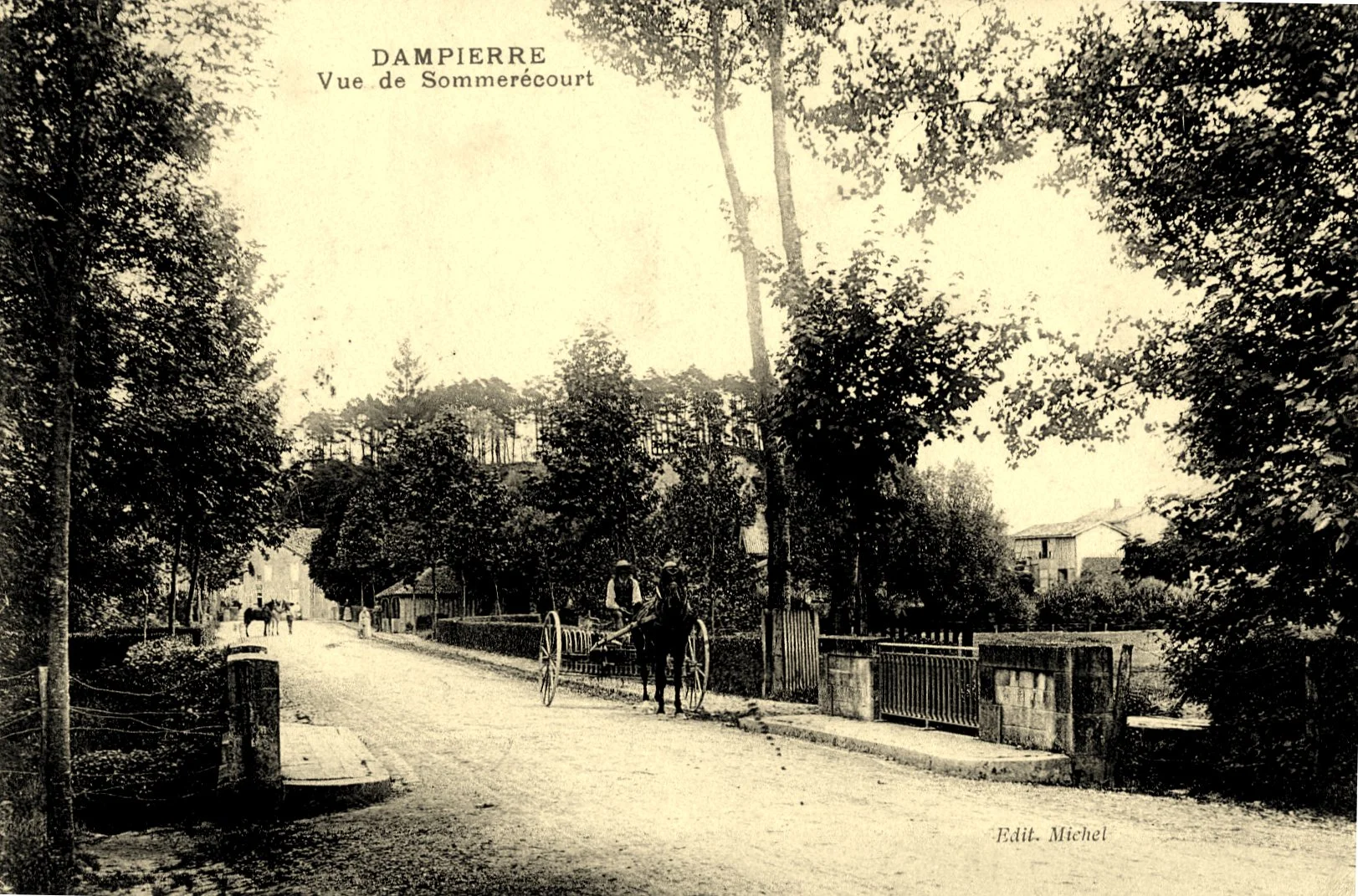
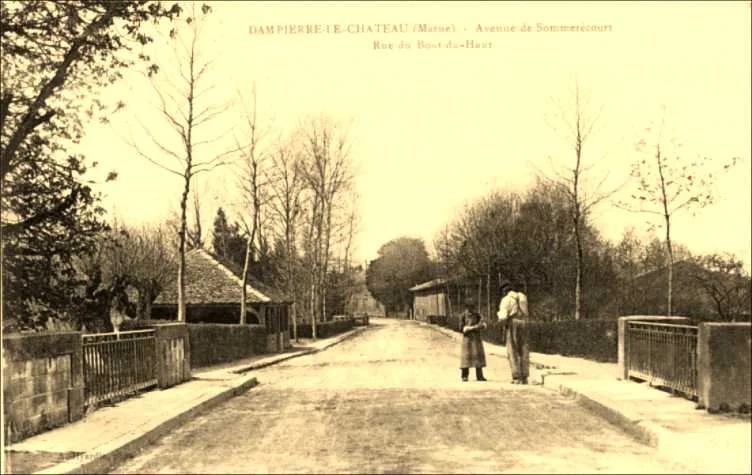
the avenue de Sommerécourt, seen from the bridge over the Rouyat, the washhouse is left after the bridge.
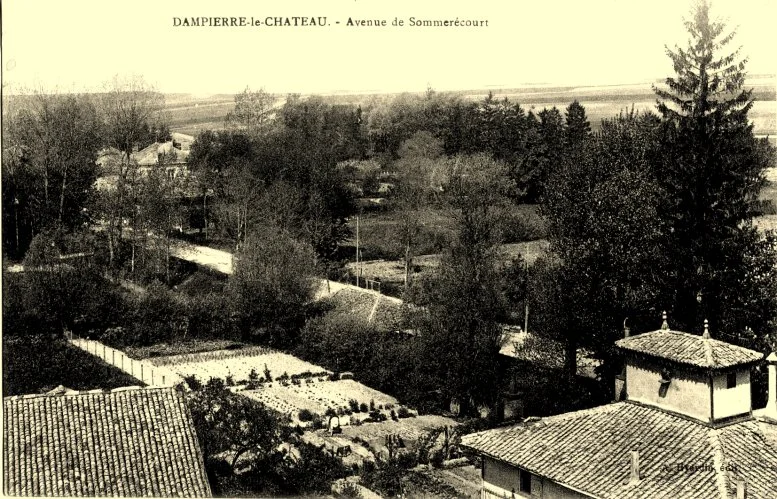
(details)
the avenue of Sommrécourt
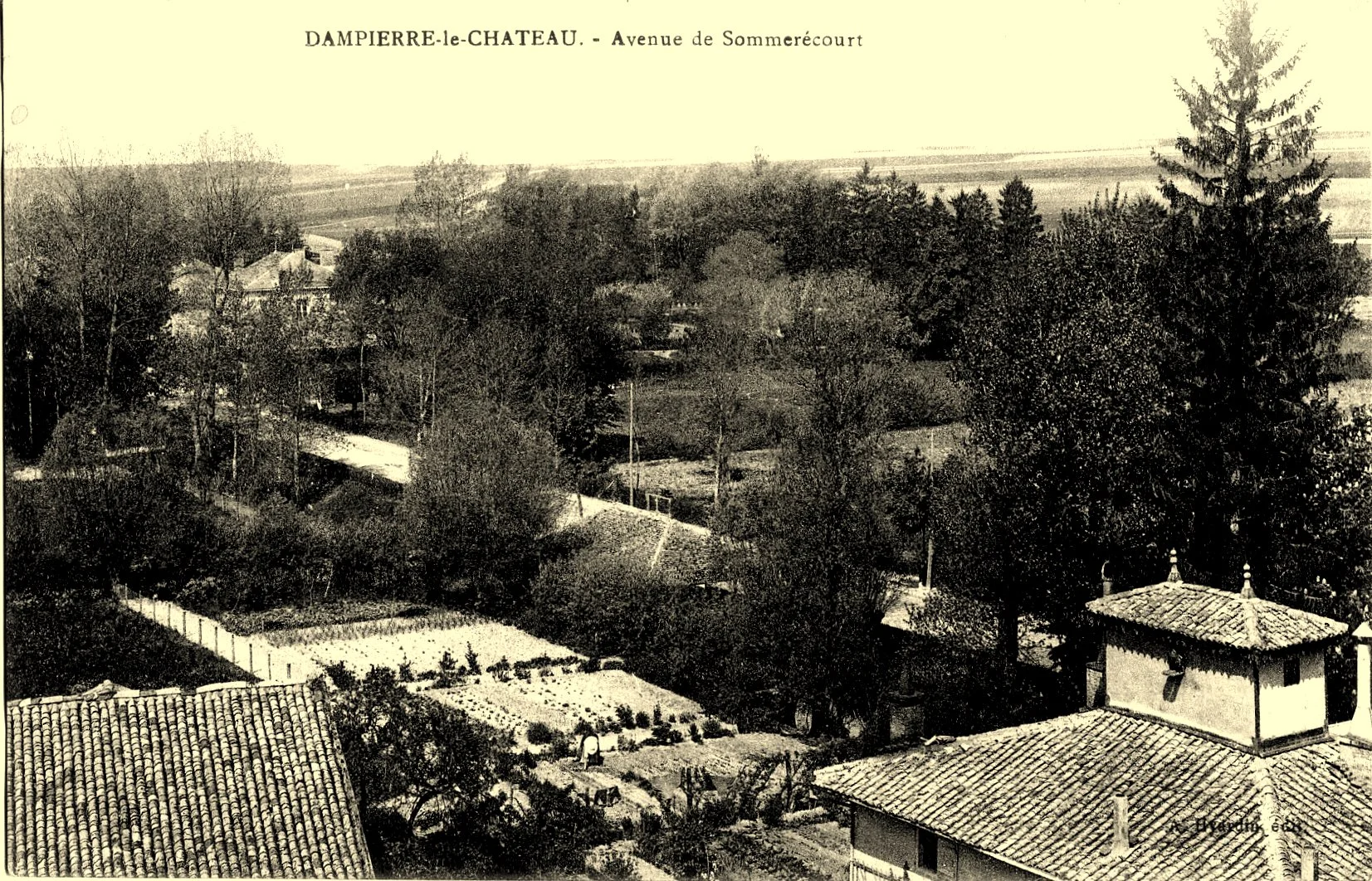
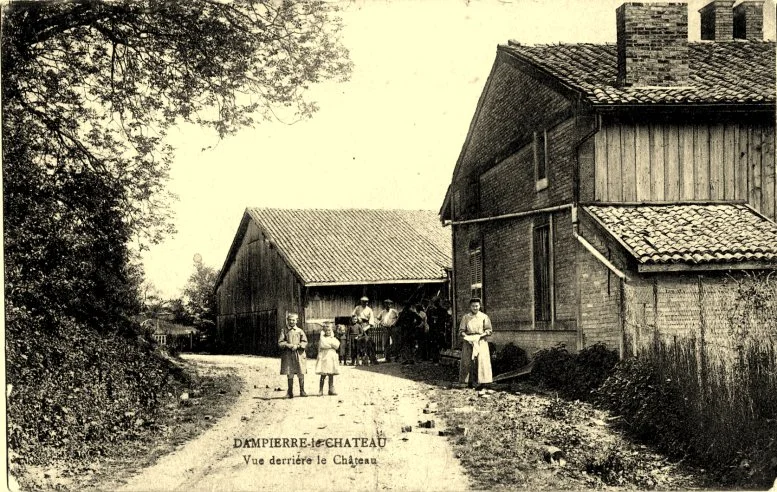
(details), behind the castle, the family farm of the Person

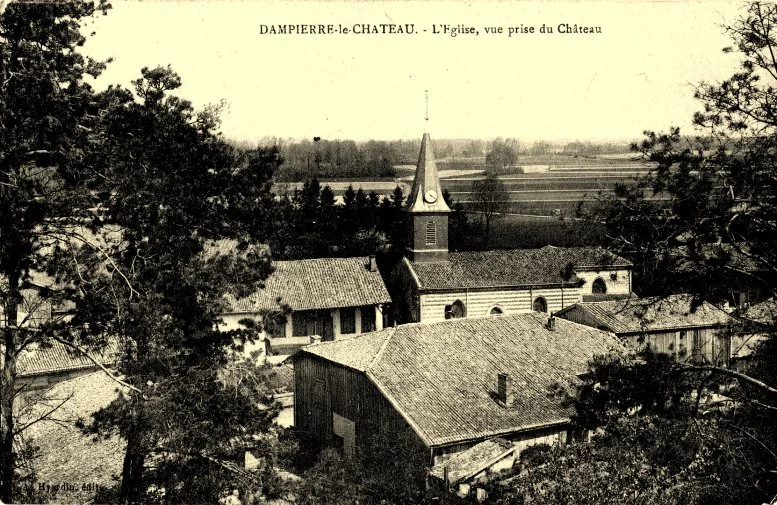
(details) the church seen from the castle
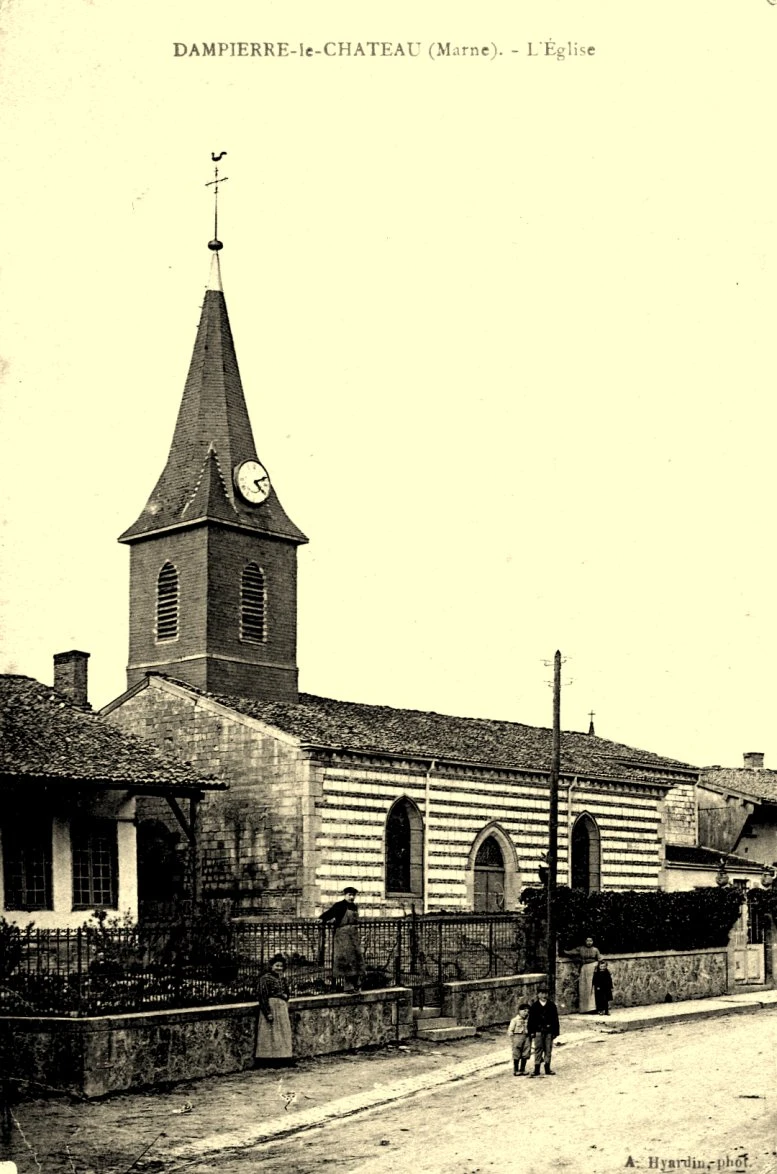
(details) The church of Dampierre, seen from the road that crosses the village

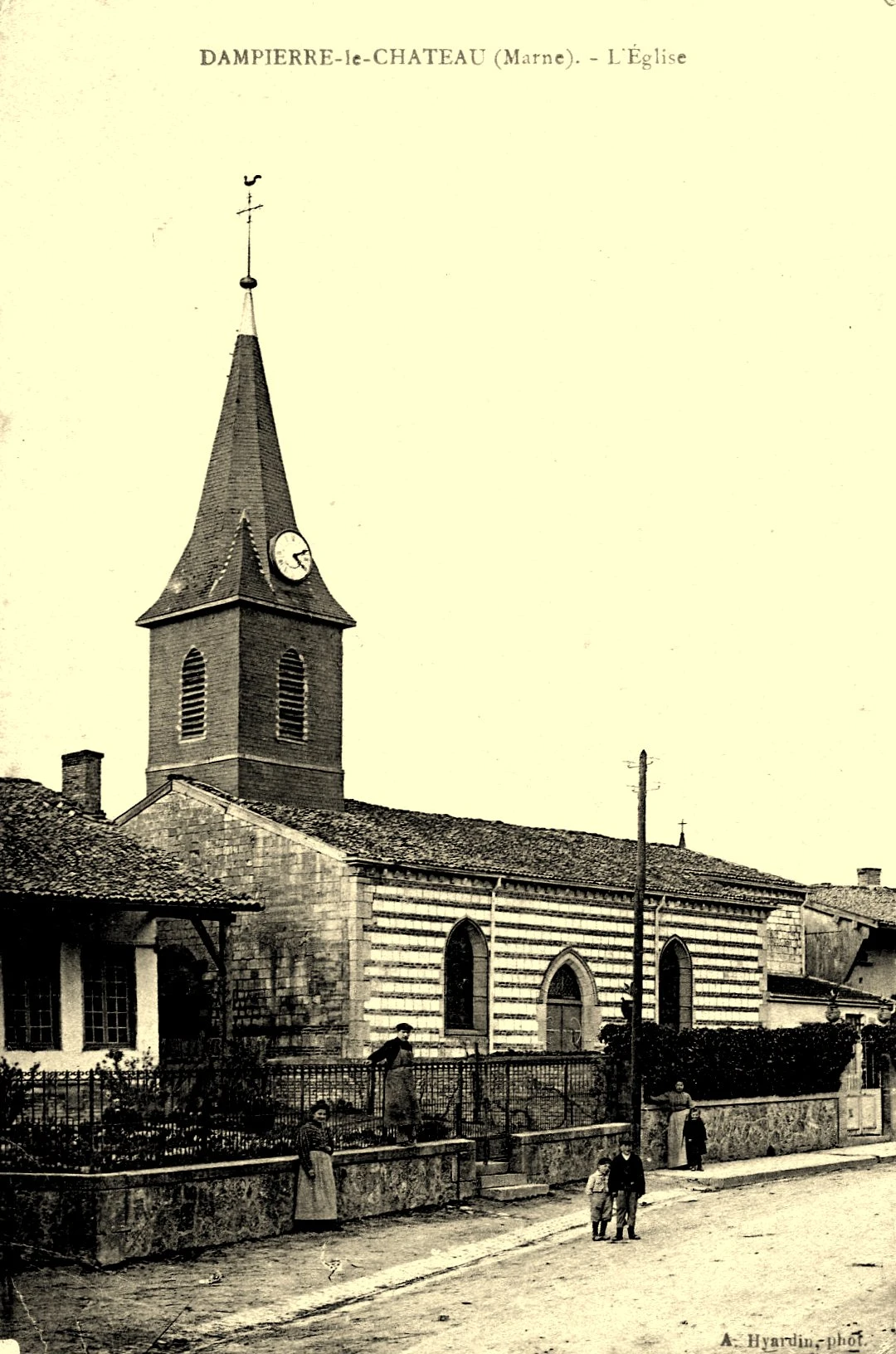
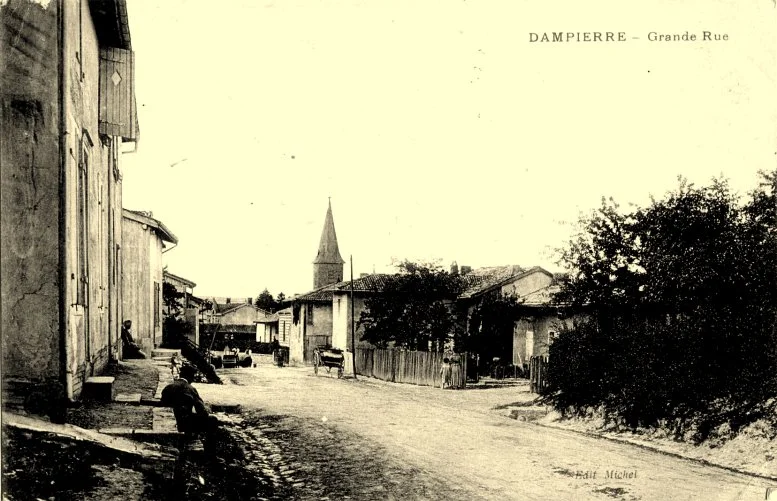
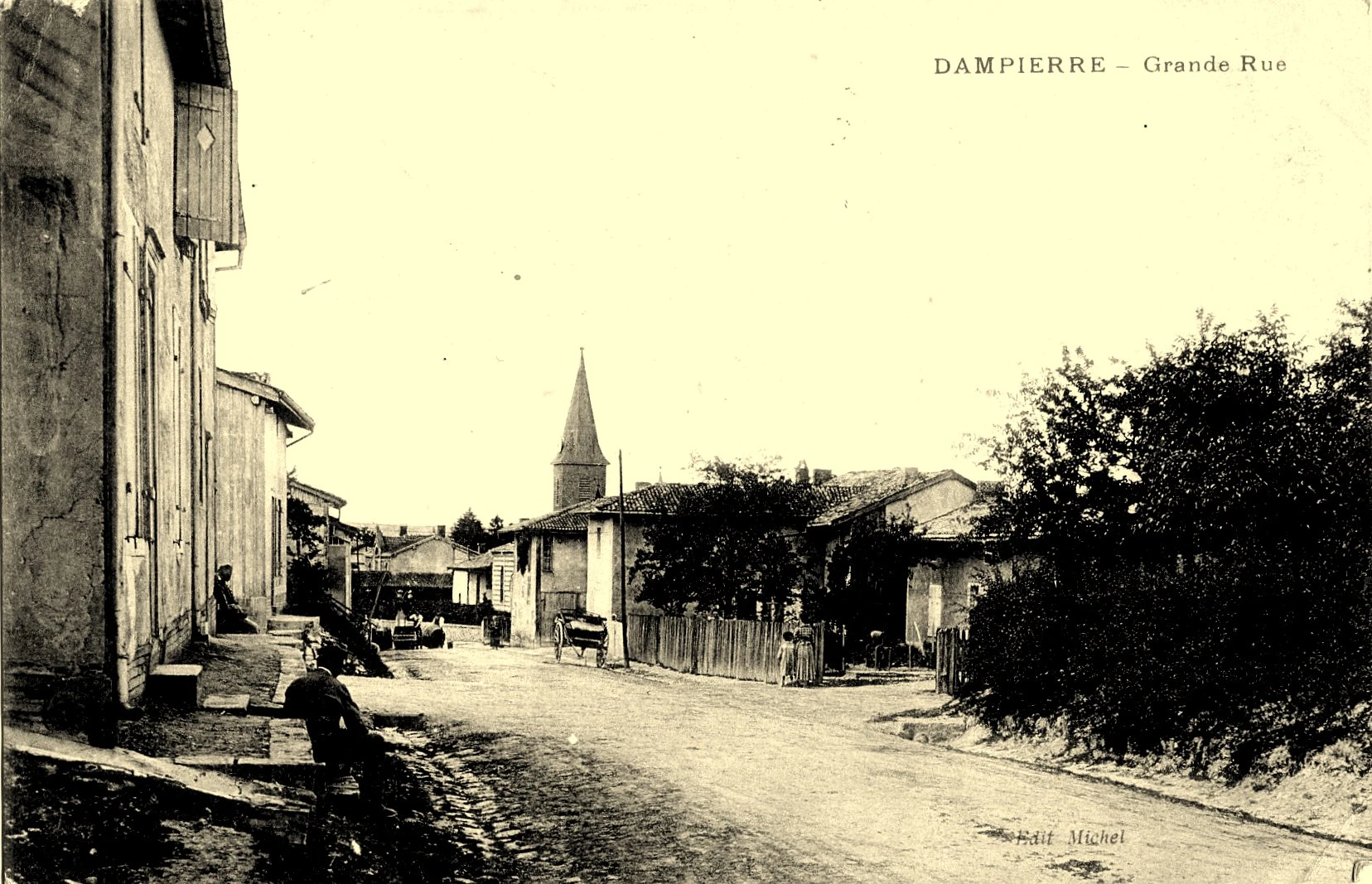
(details) The big street and the church at the bottom, westward
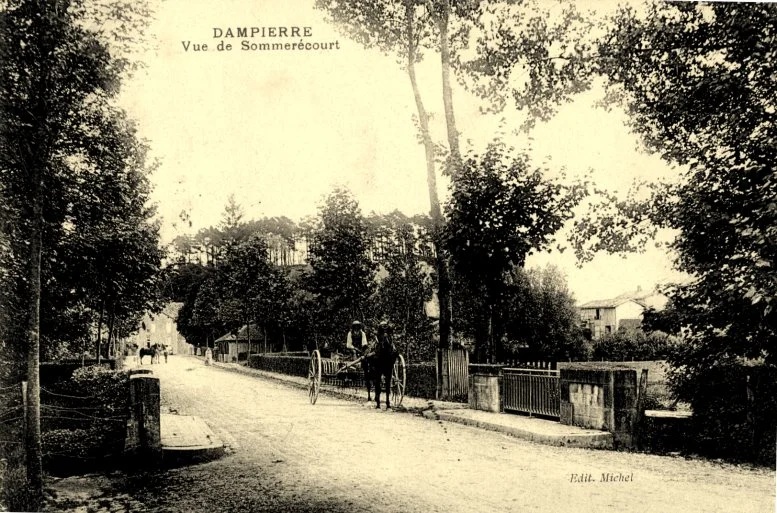
(details) The bridge and the wash
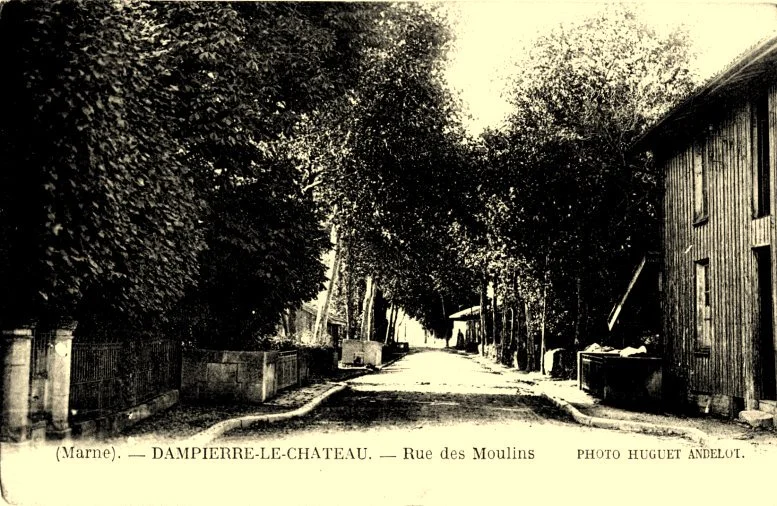
(details)
the rue des Moulins or Sommerécourt
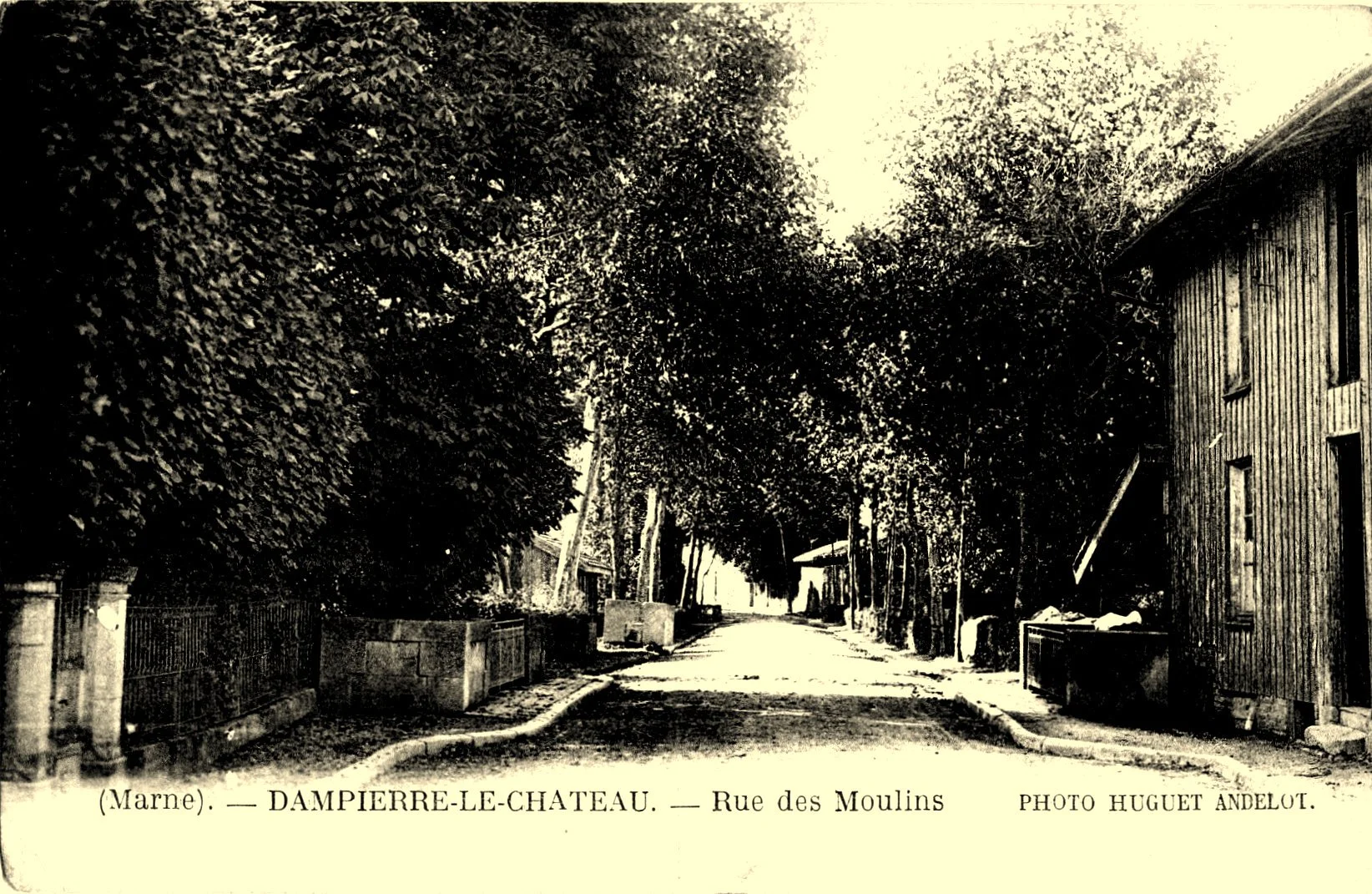

(details) JCT084 - Rue de Sommerécourt, Dampierre, March 1899

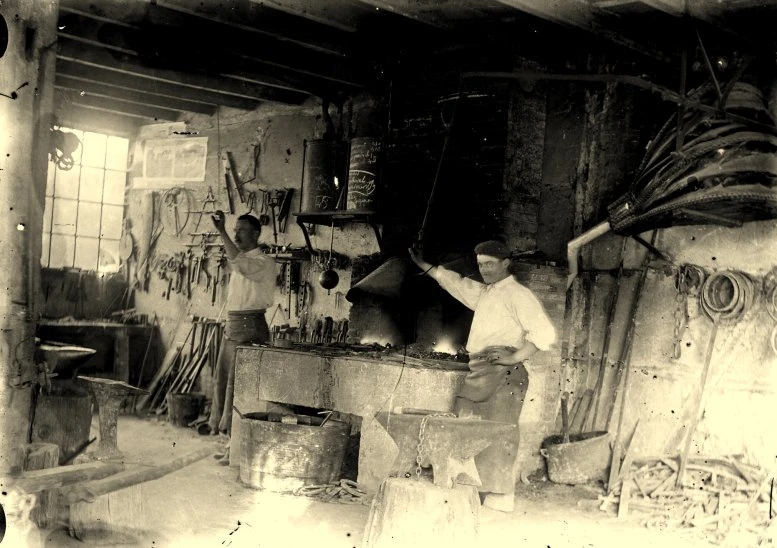
(details)JCT020 - The forge of Dampierre, July 1899 (photo Aunt Notte)
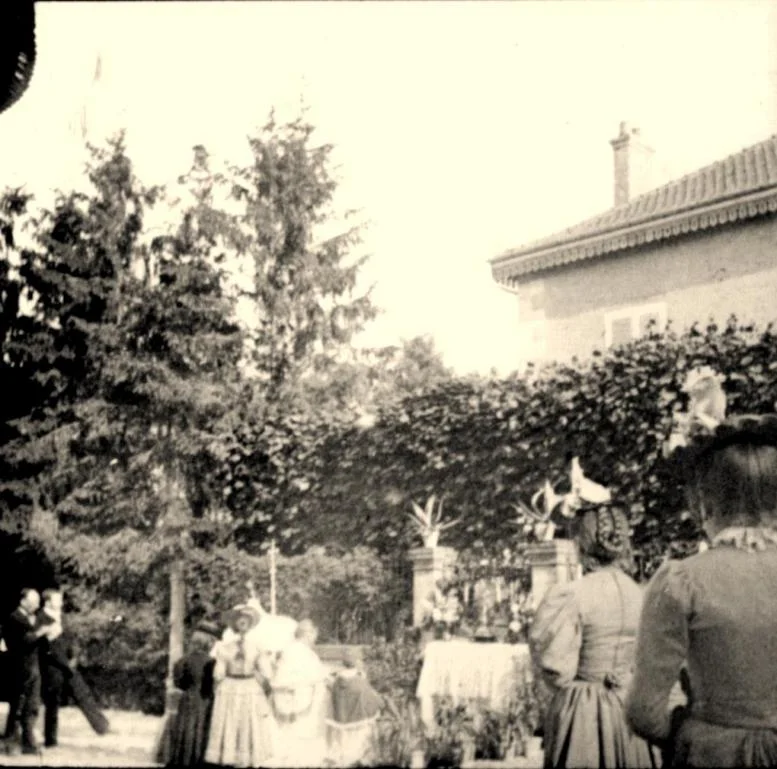
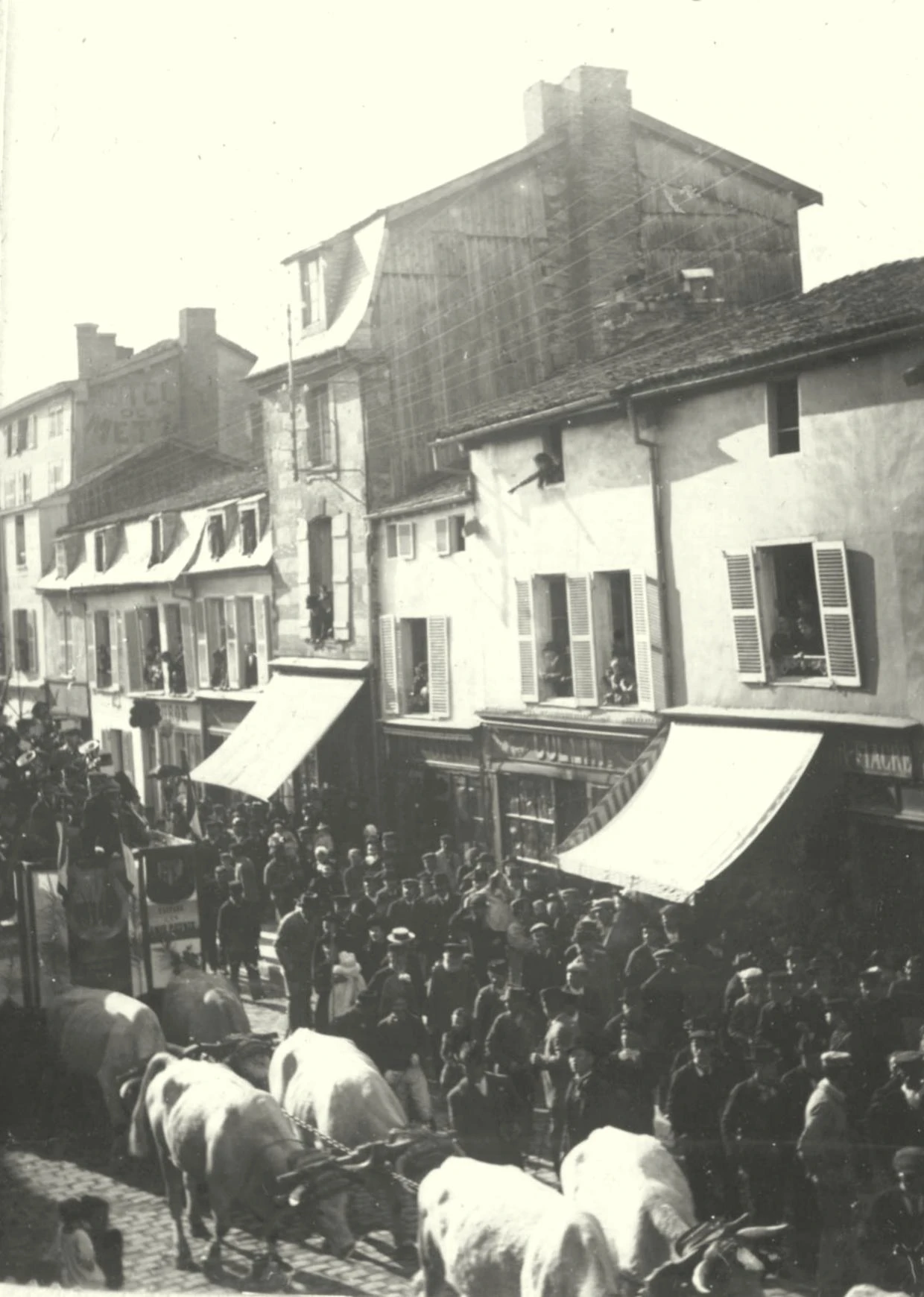
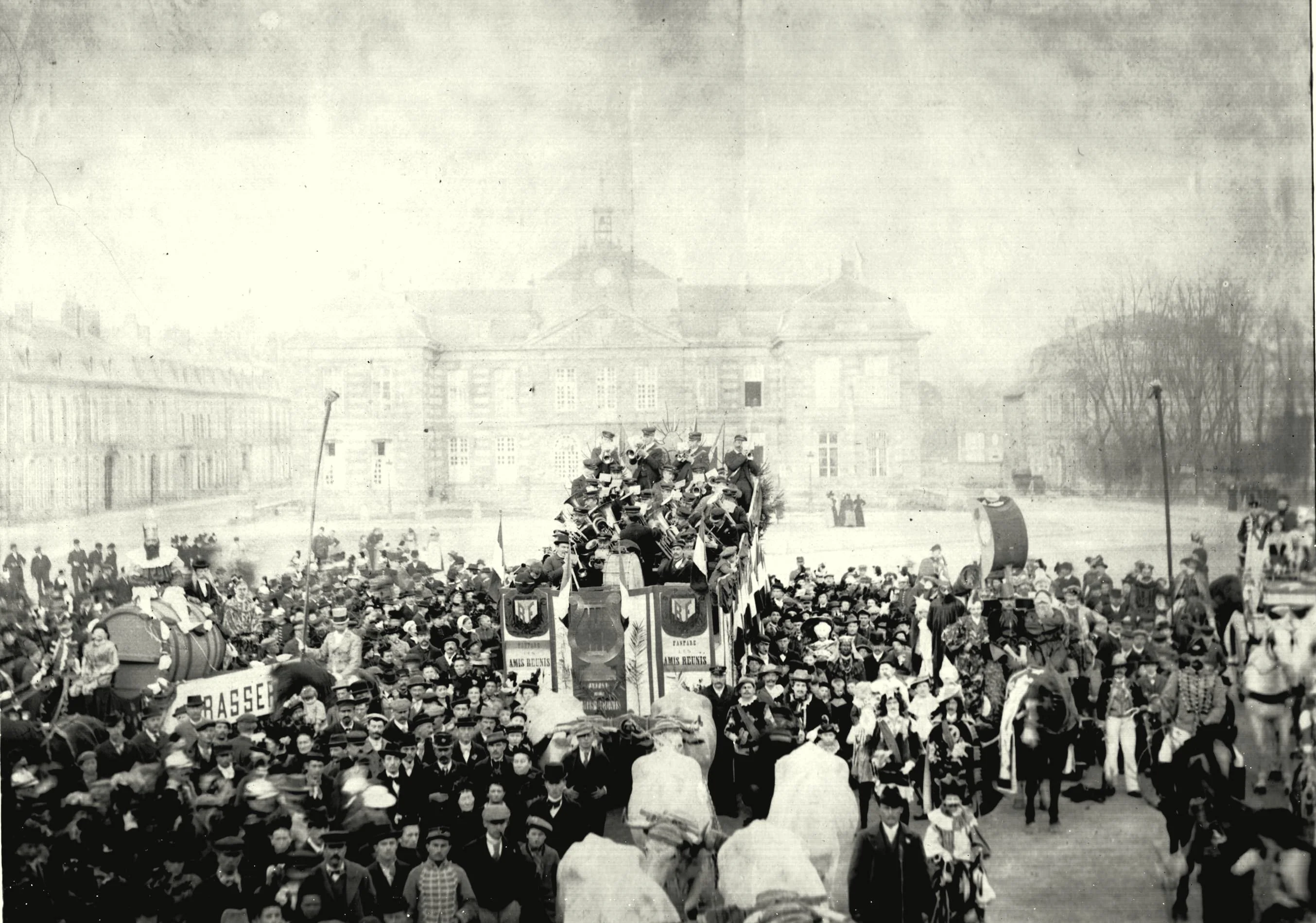
VM003 - Dampierre, party?
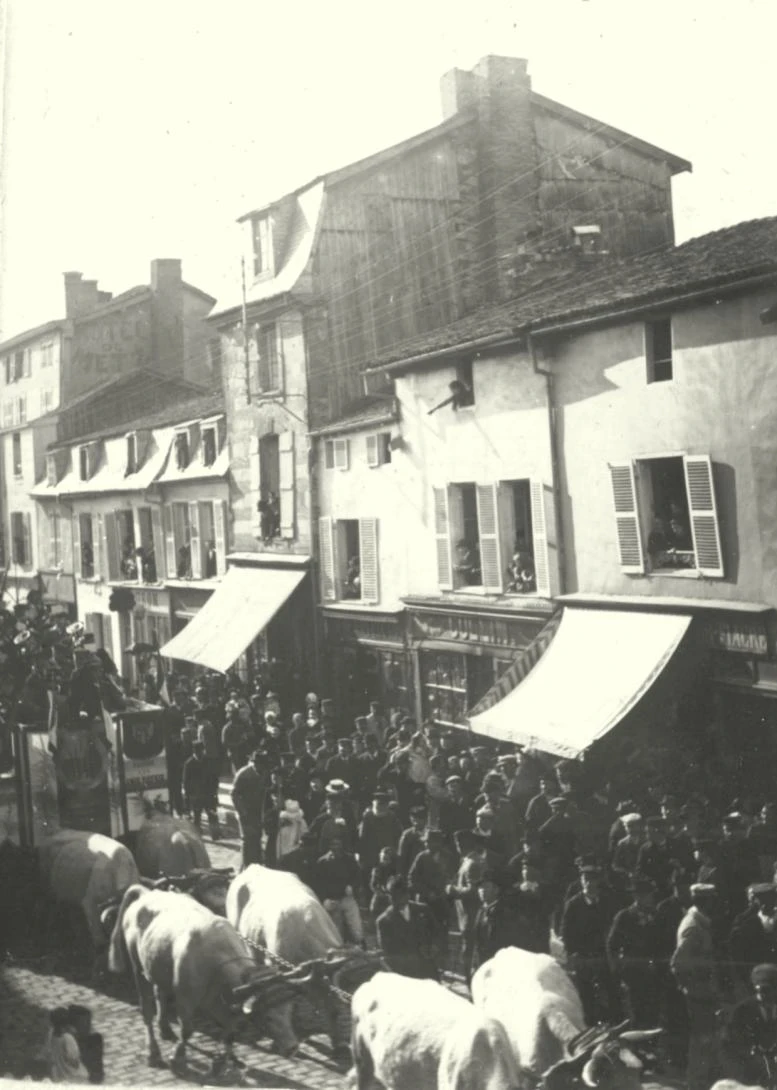
(details)The festival in St. Menou (Tuesday)
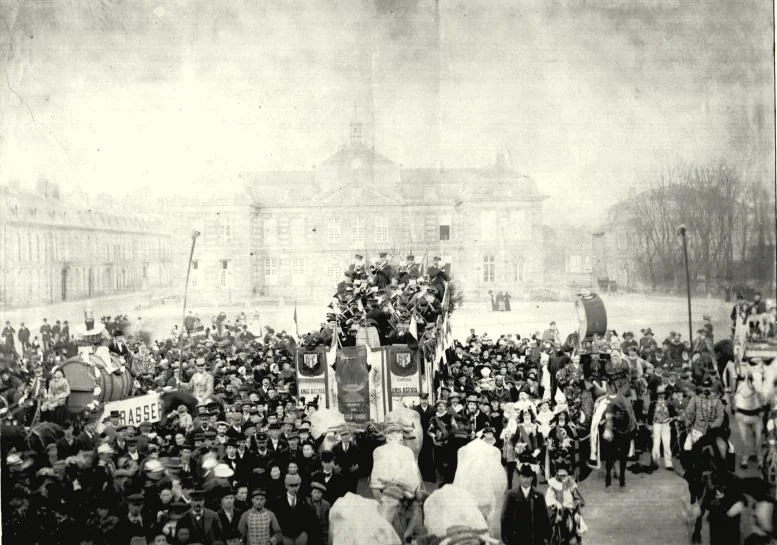
(details)The festival in St. Menou (Tuesday)
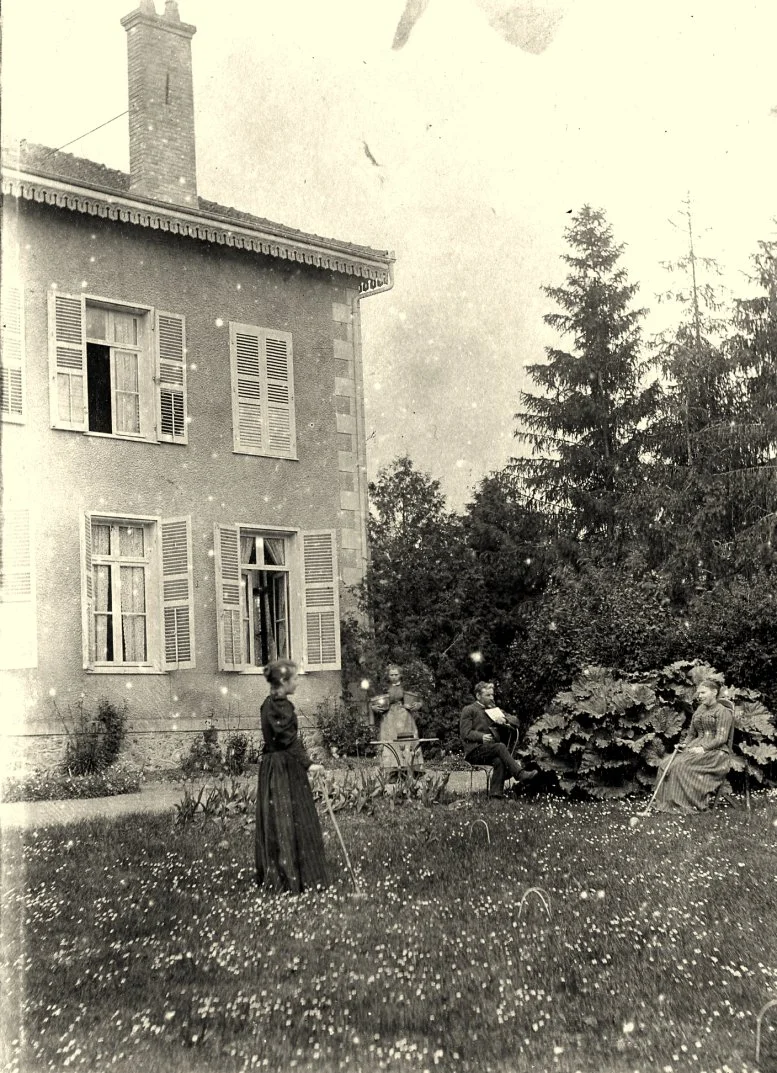
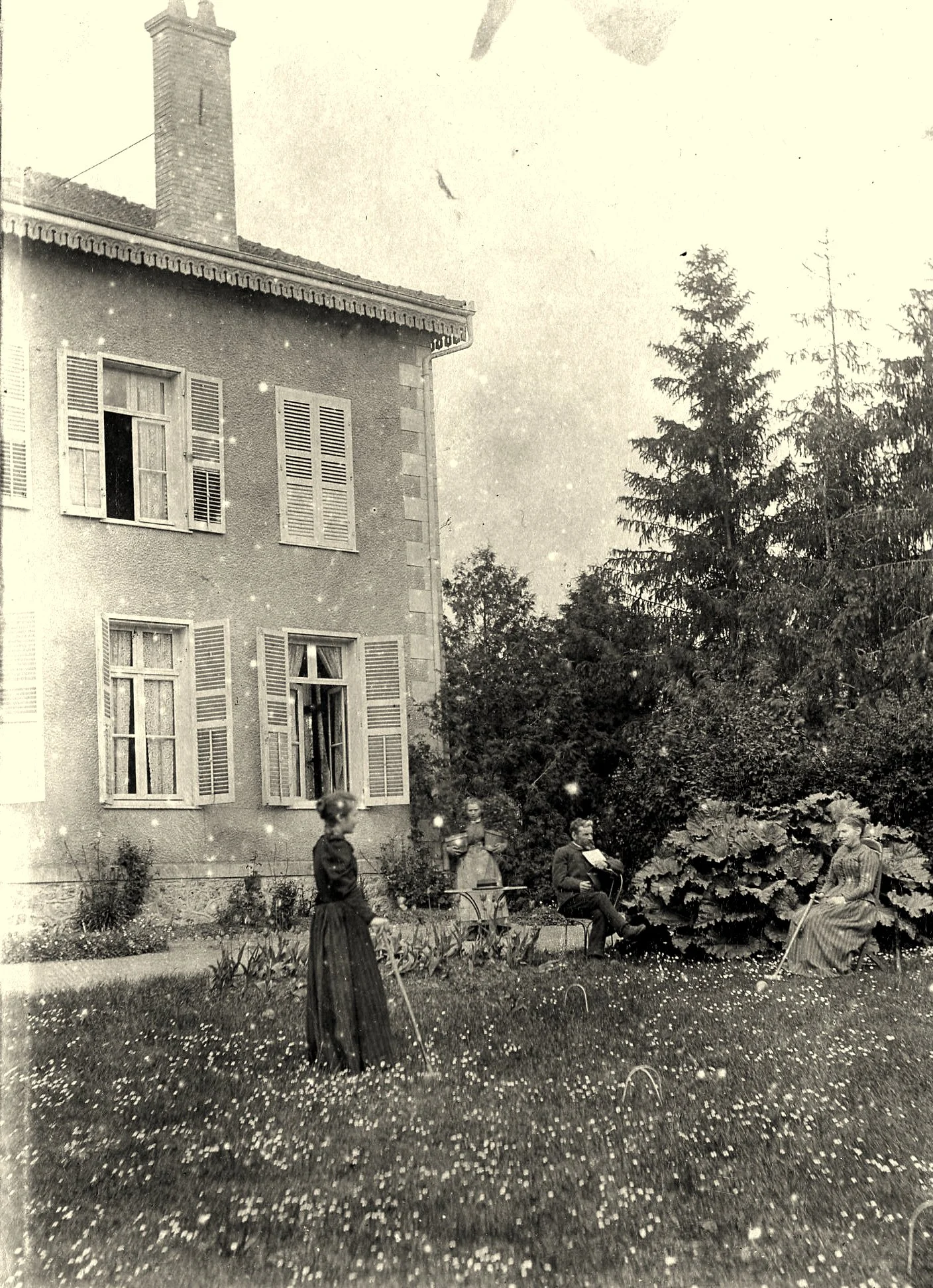
(details) Croquet game in Dampierre, circa 1894
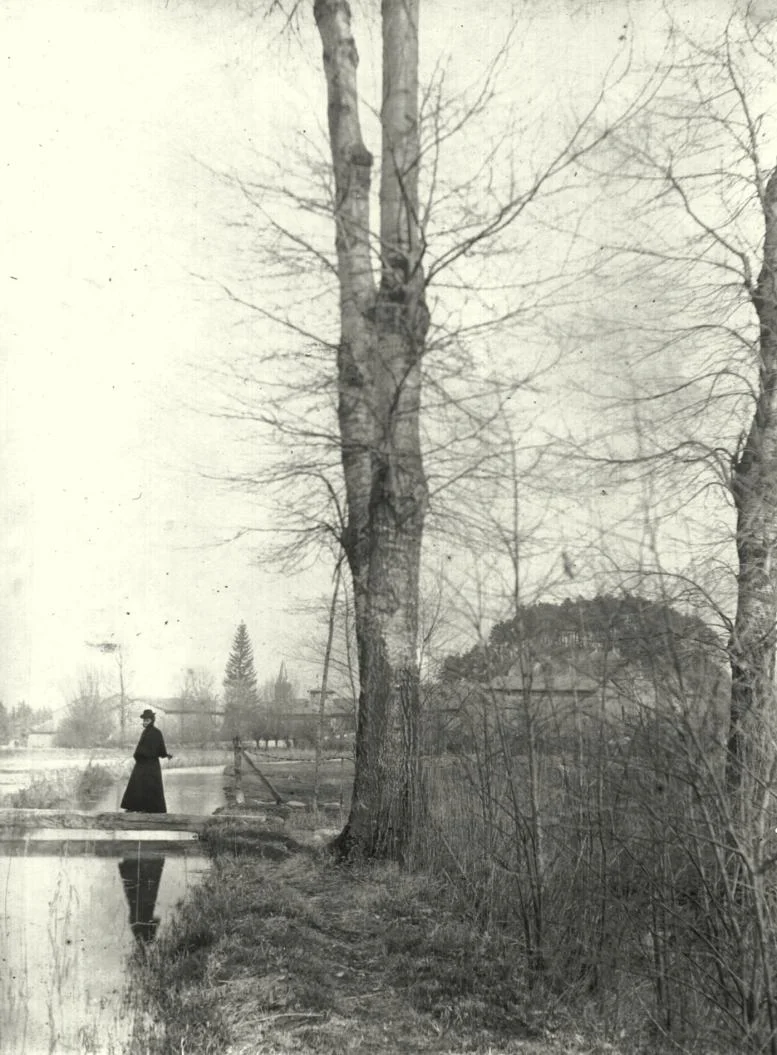
(details)
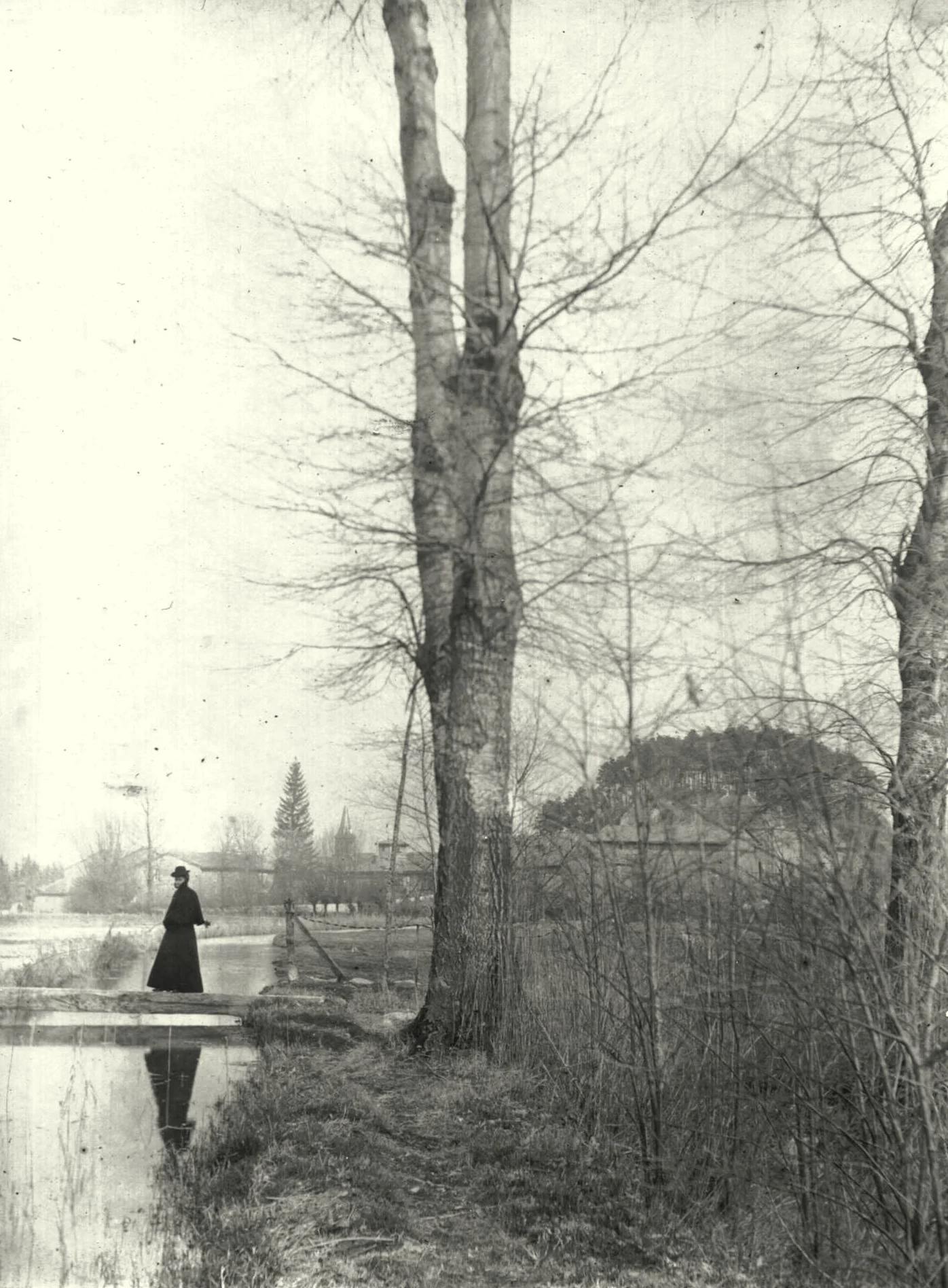
Jeanne Charpentier (Tante Notte) on the "bridge" of the Rouillat, Dec 1898
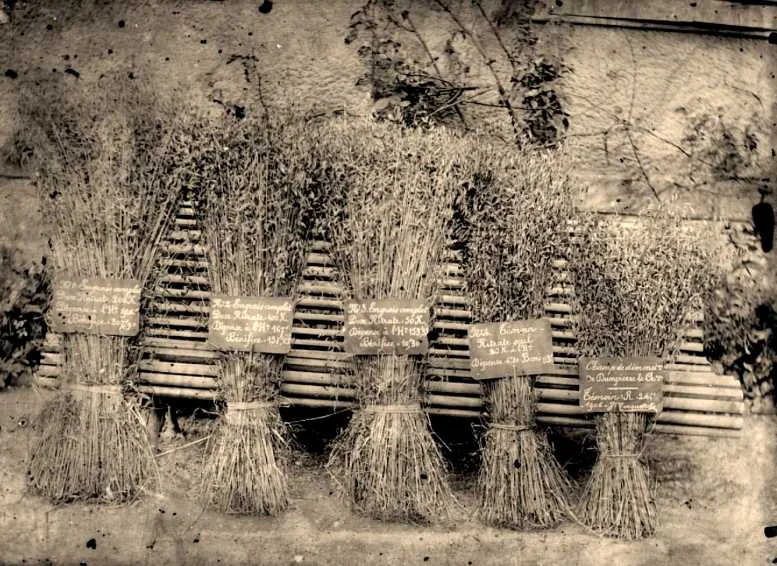
JCT152 (details)-- Comparison of harvests in Dampierre in 1906

(details)
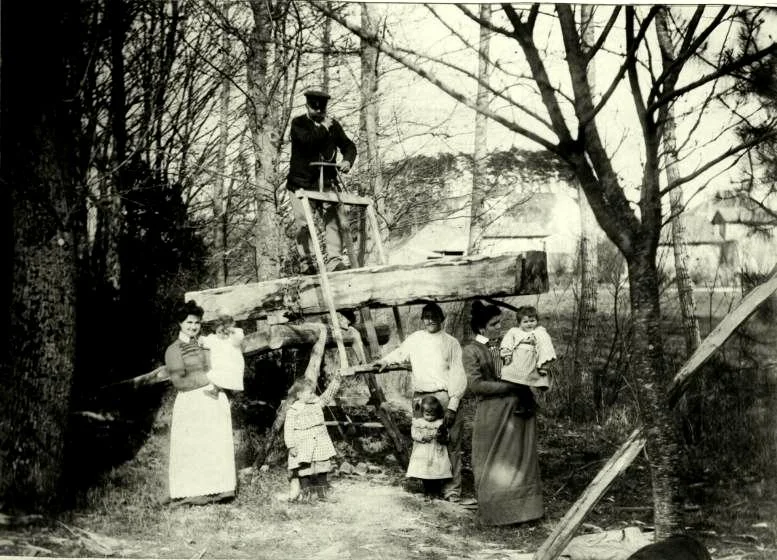
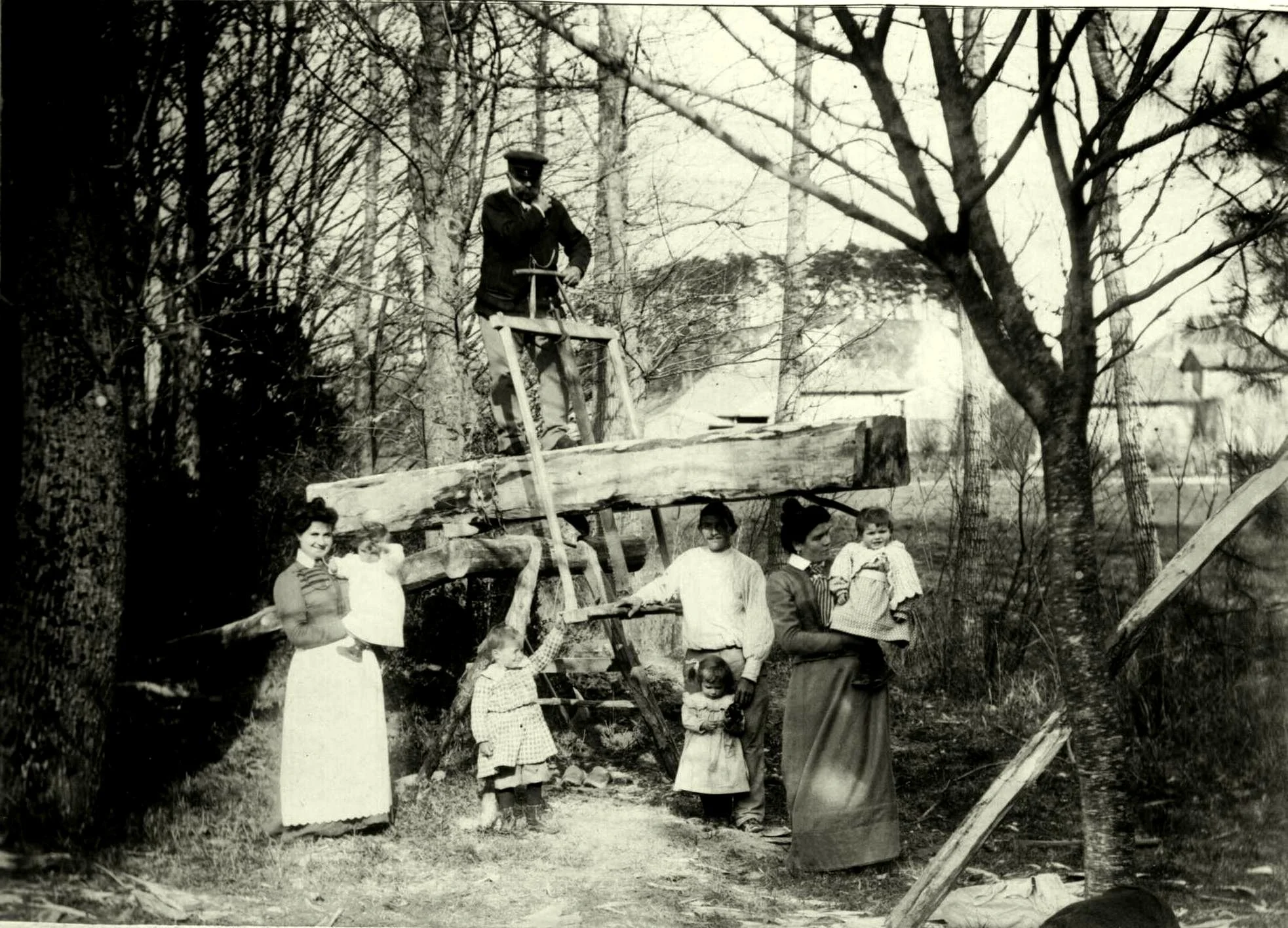
March 1903, sawn timber, nurseries with the 4 youngest little children Charpenter

(details)
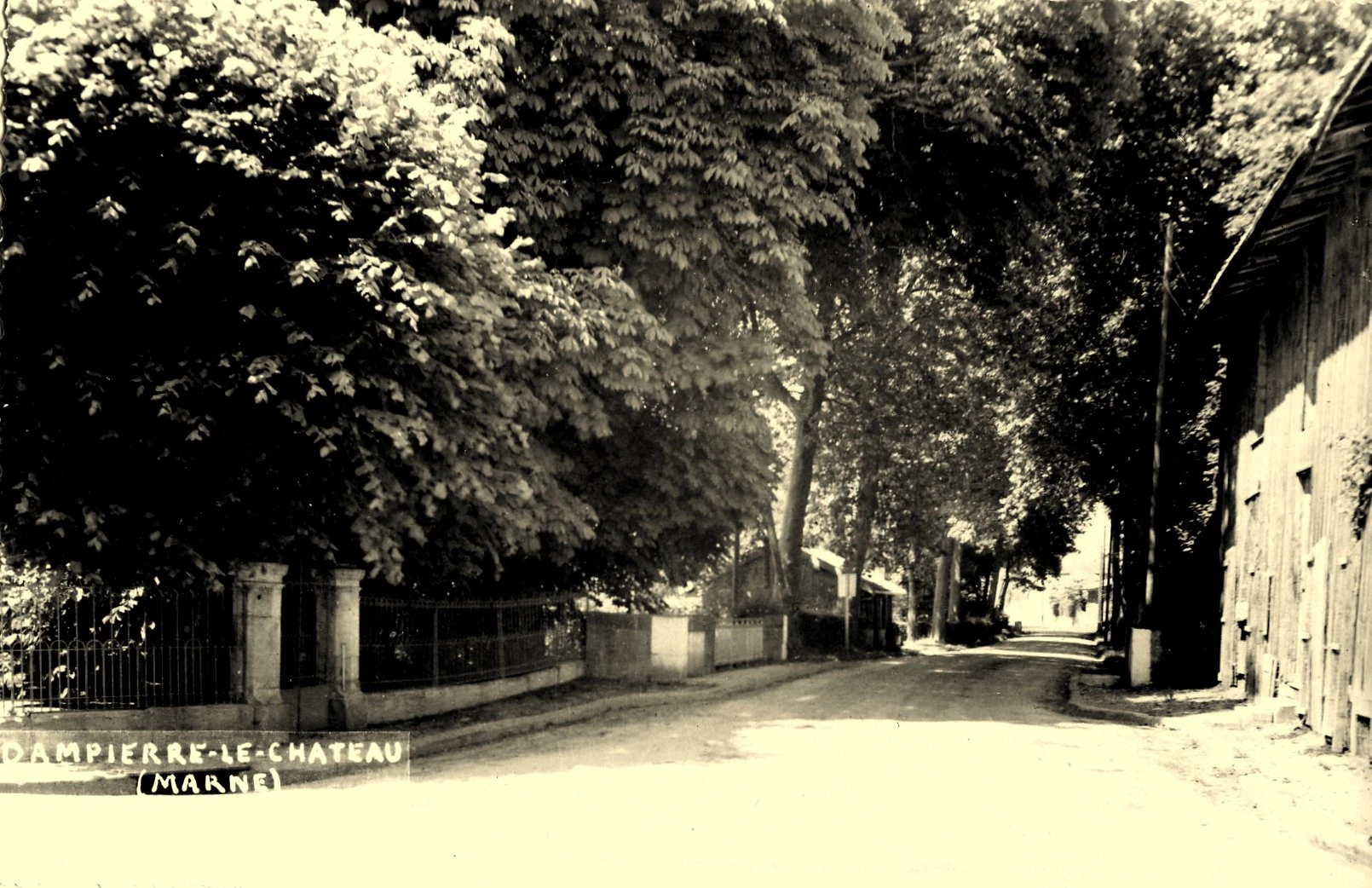
The rue de Sommerécourt, circa 1950, on the left the property of the Maillet-Charpentier
(details)
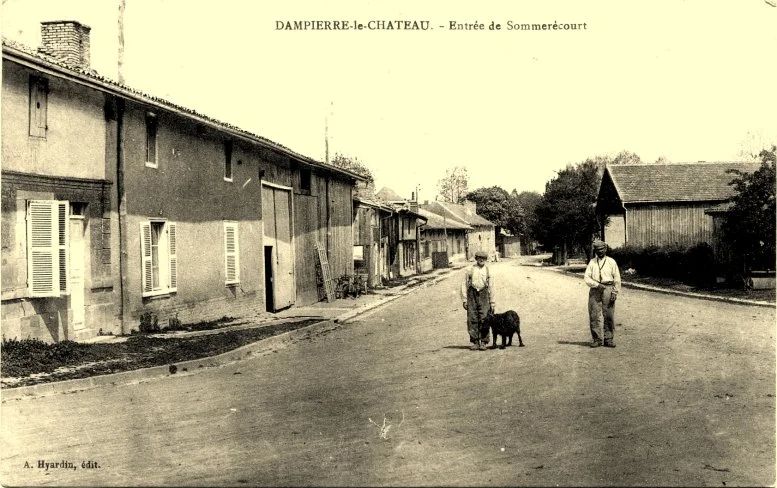
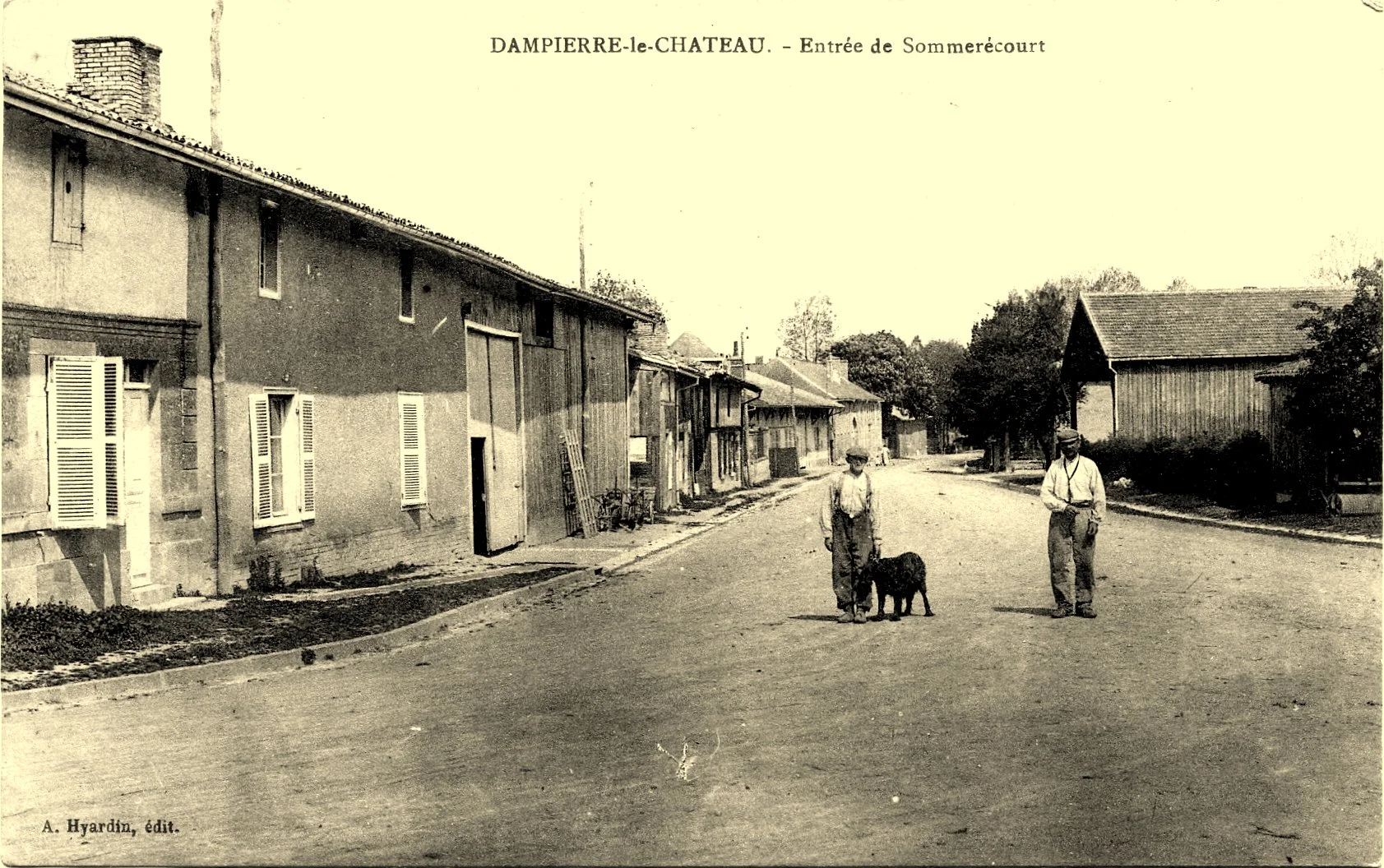
entrance to Sommerecourt, eastward
(below, 3 pictures taken by Aunt Notte, circa 1900)
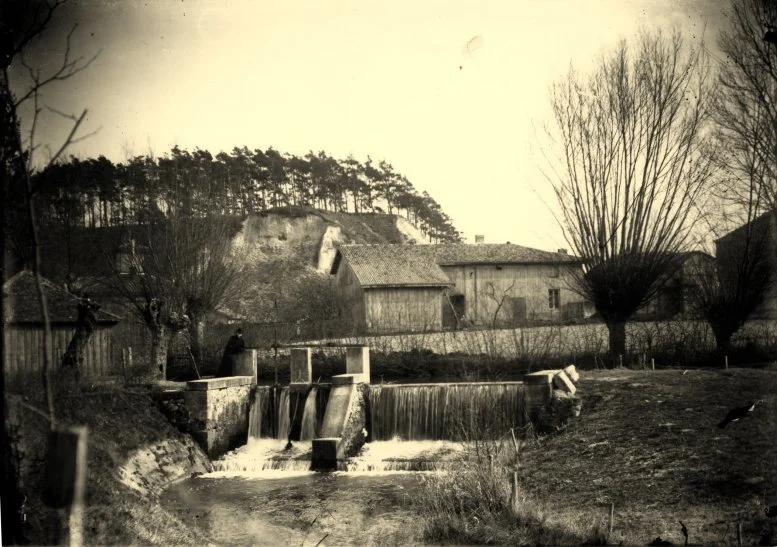
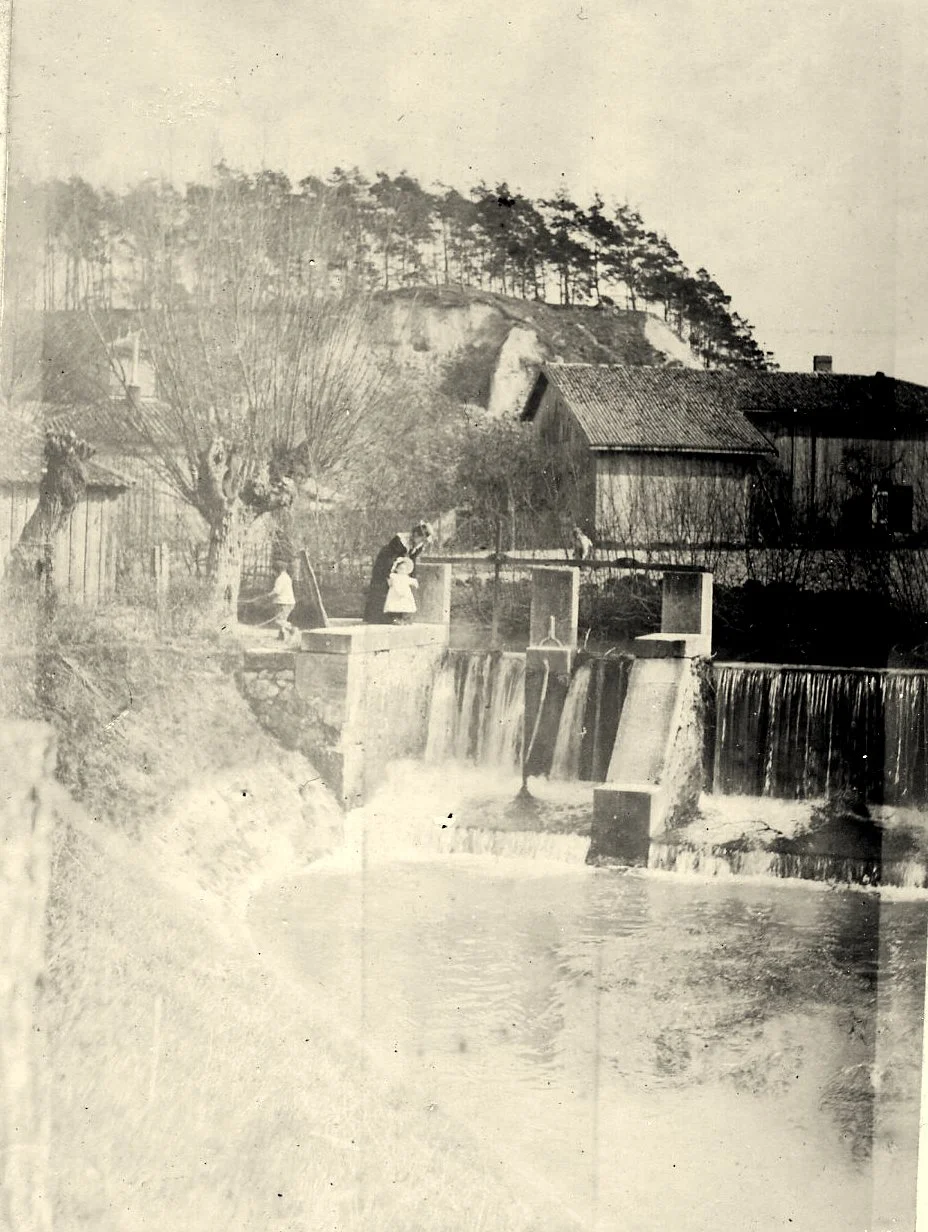
(details)JCT 090 - Dampierre, mill, weir valves, washer (left) and mound, March 1899, the pines were cut in 1914 to serve in war
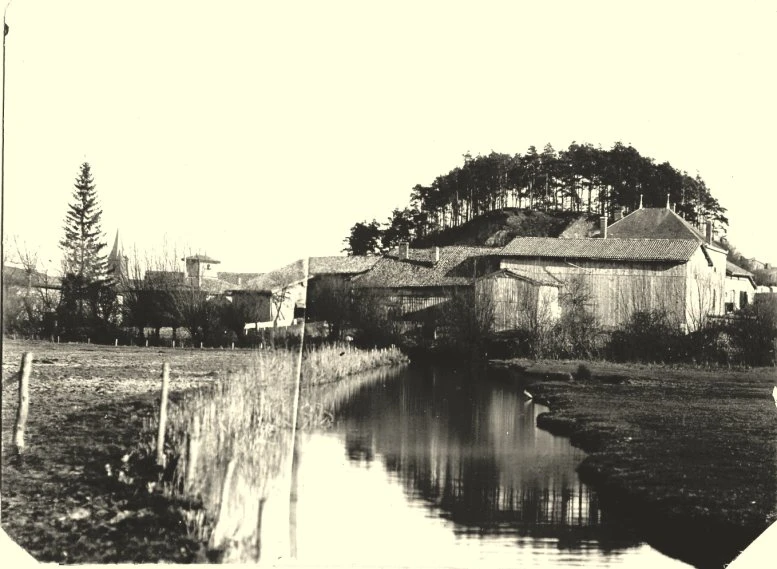
(details)
The hill was shot in February 1899, and the pine trees were killed during the Great War.
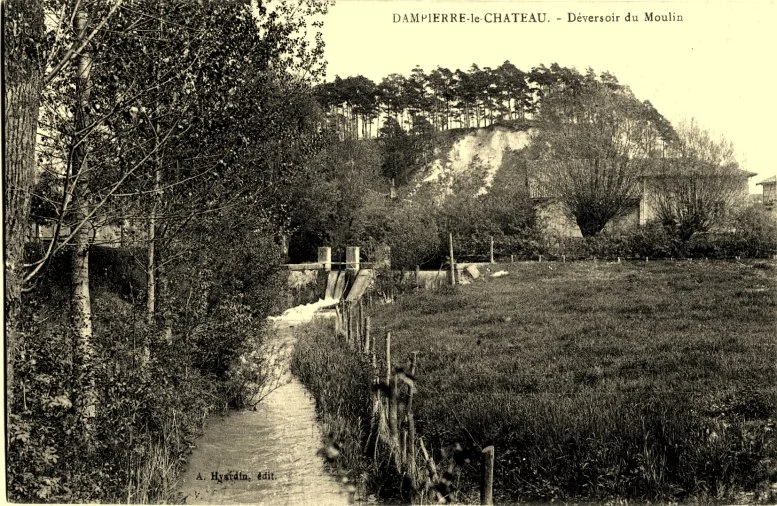
(details)
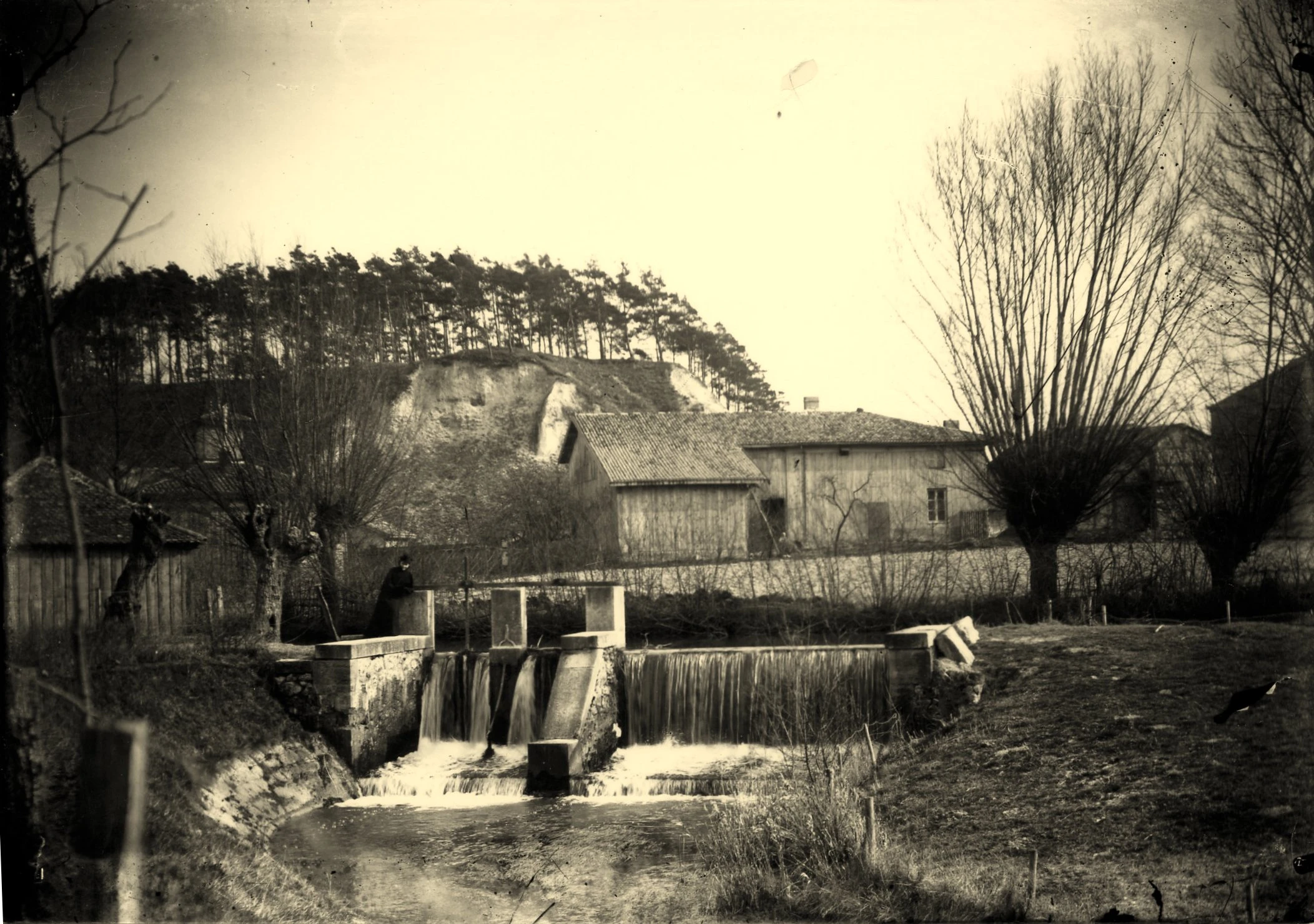
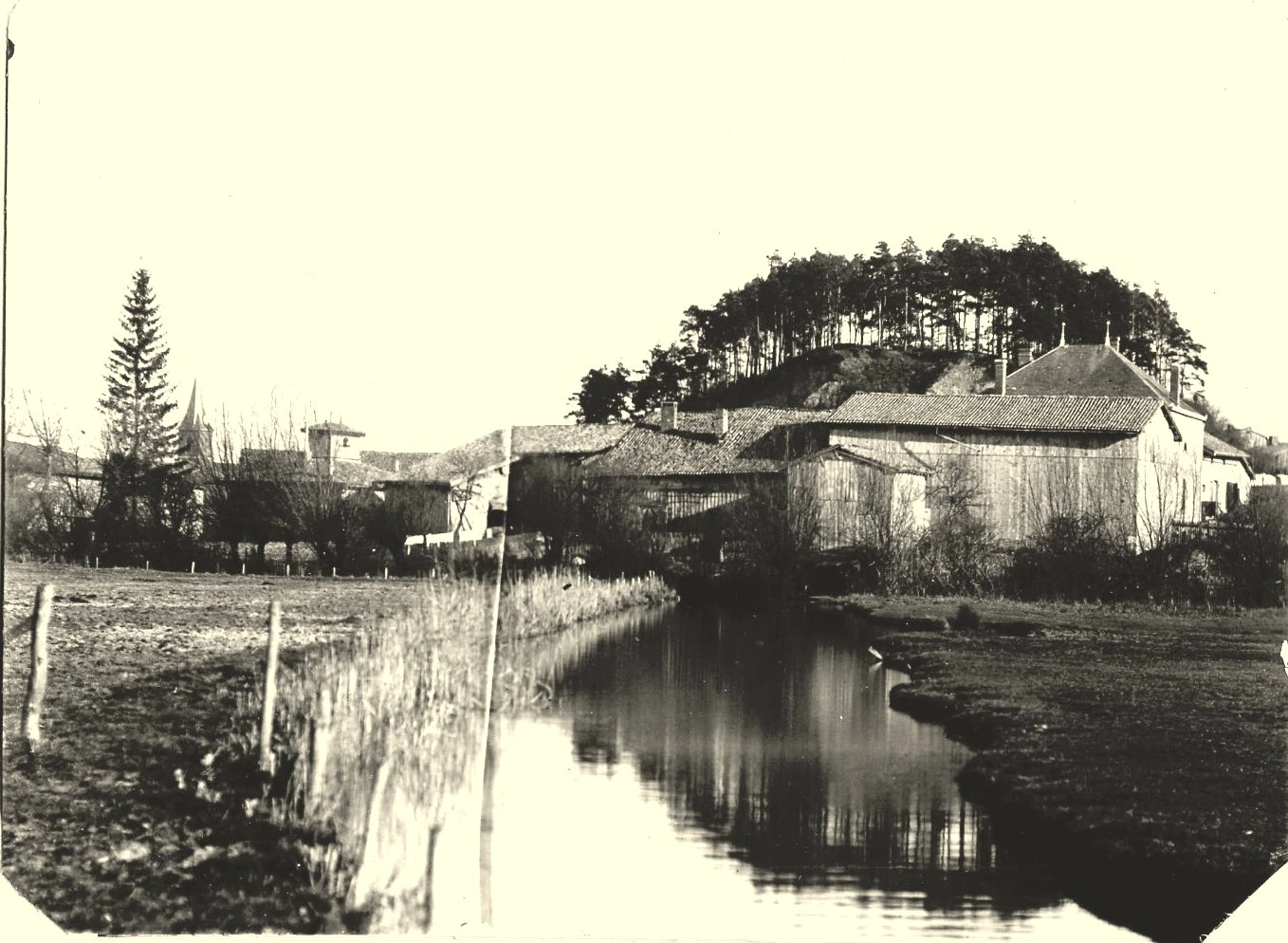
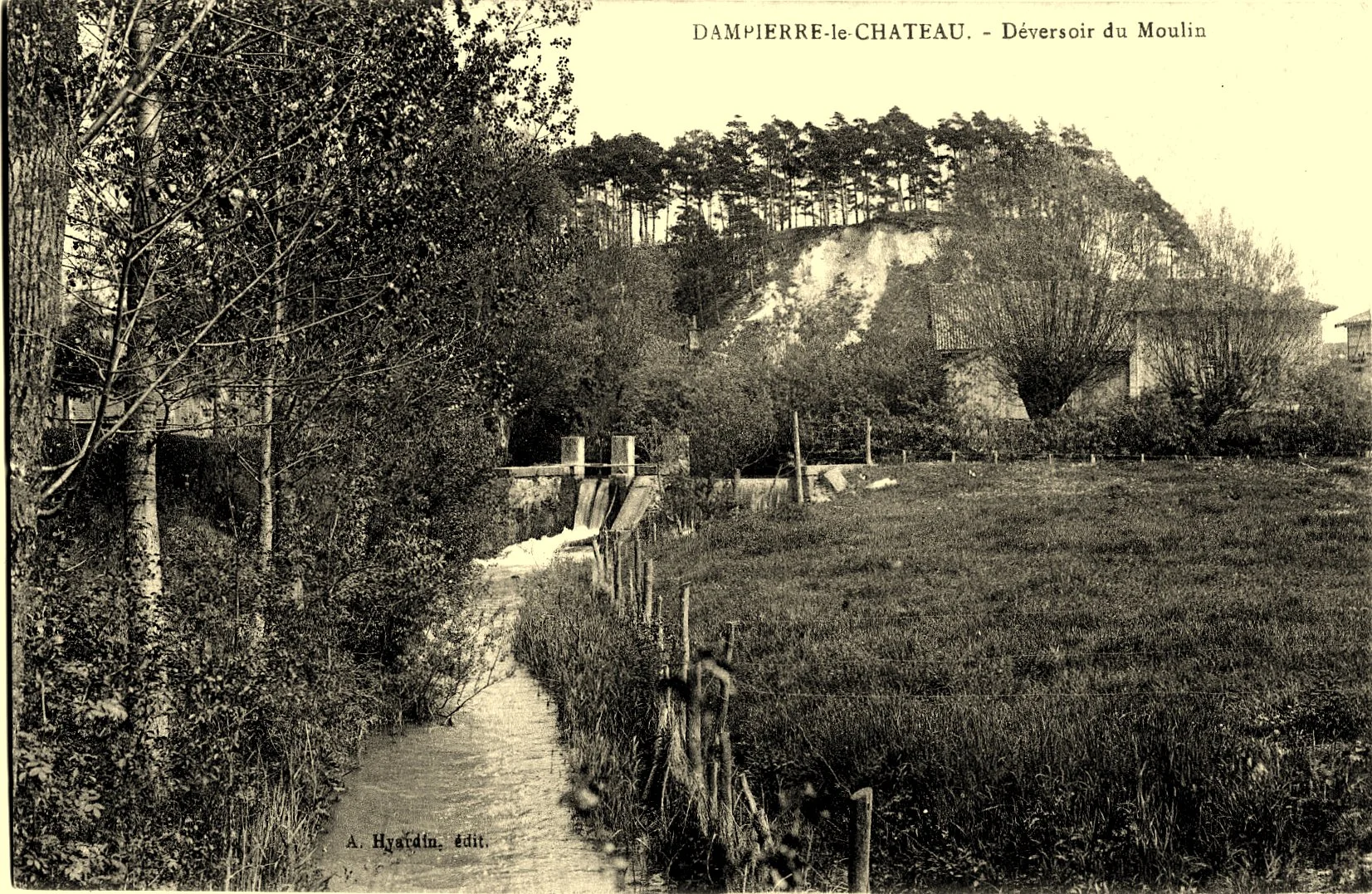
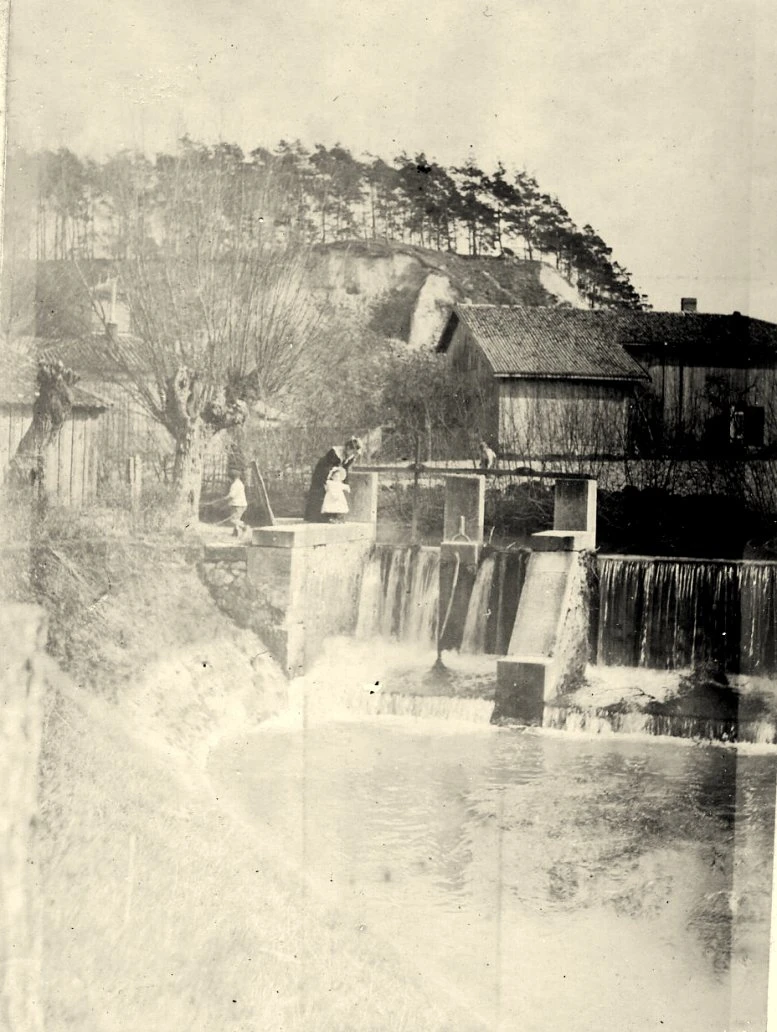
(details)
March 1899, the mill dam
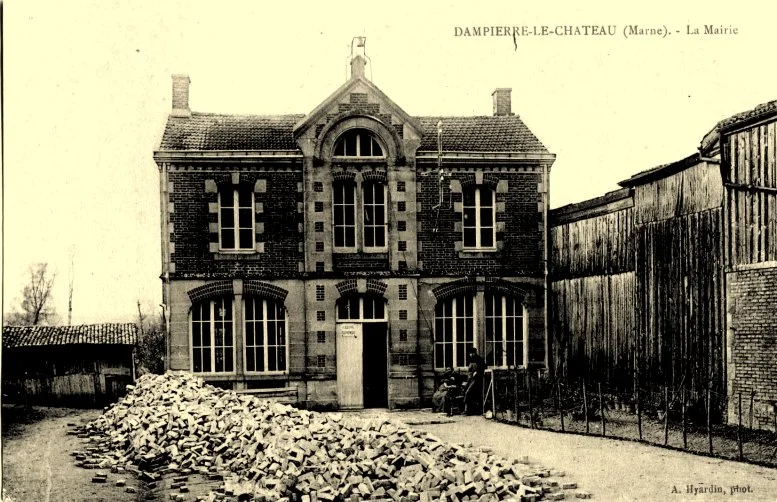
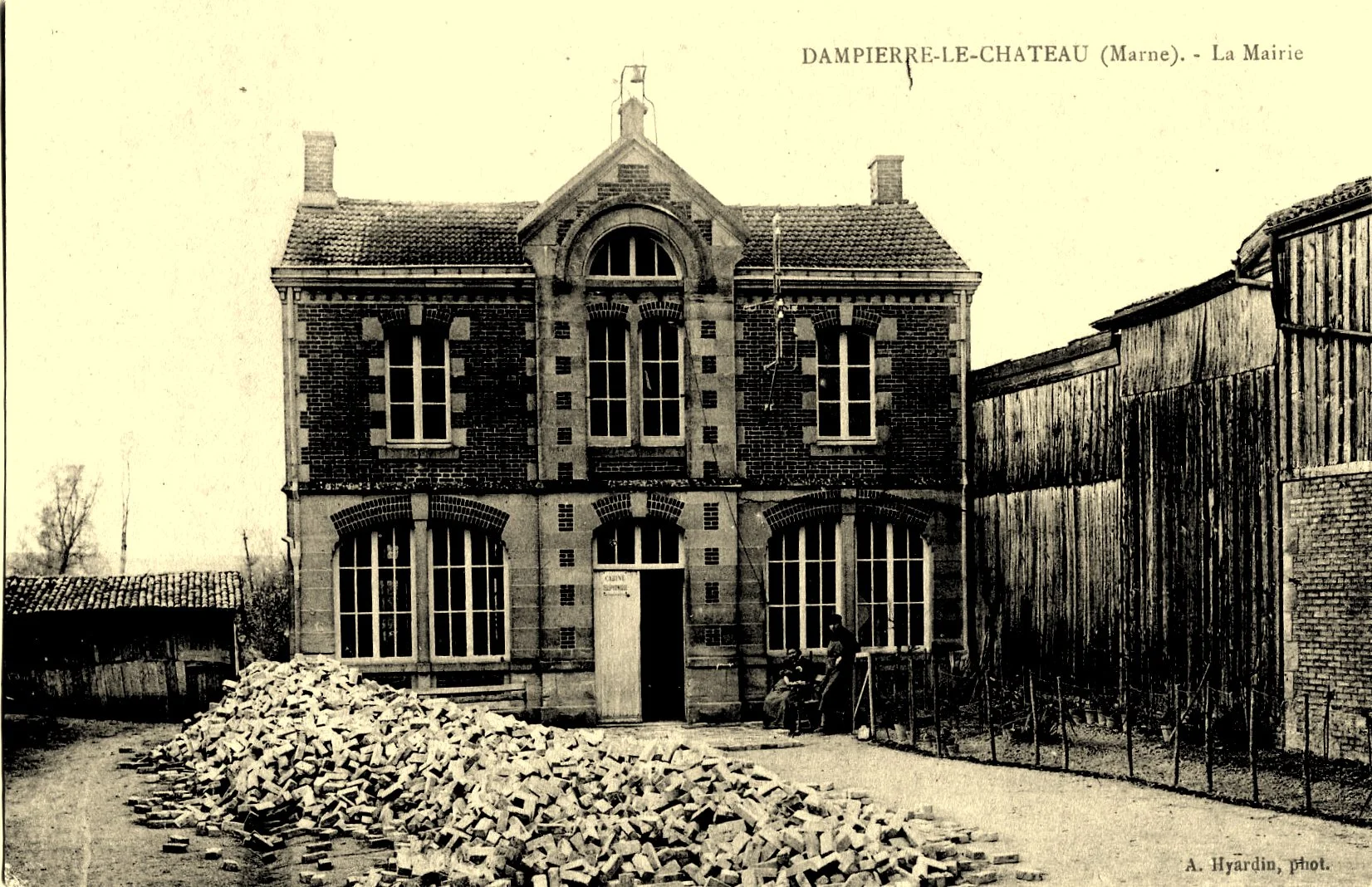
(details) The Town Hall
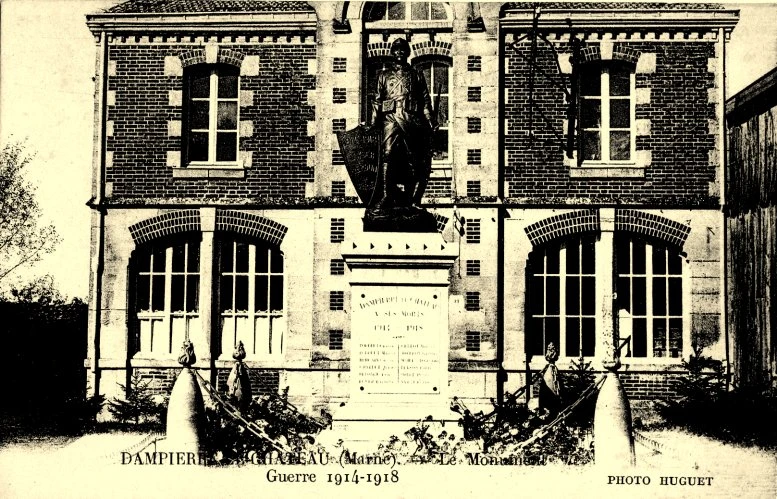
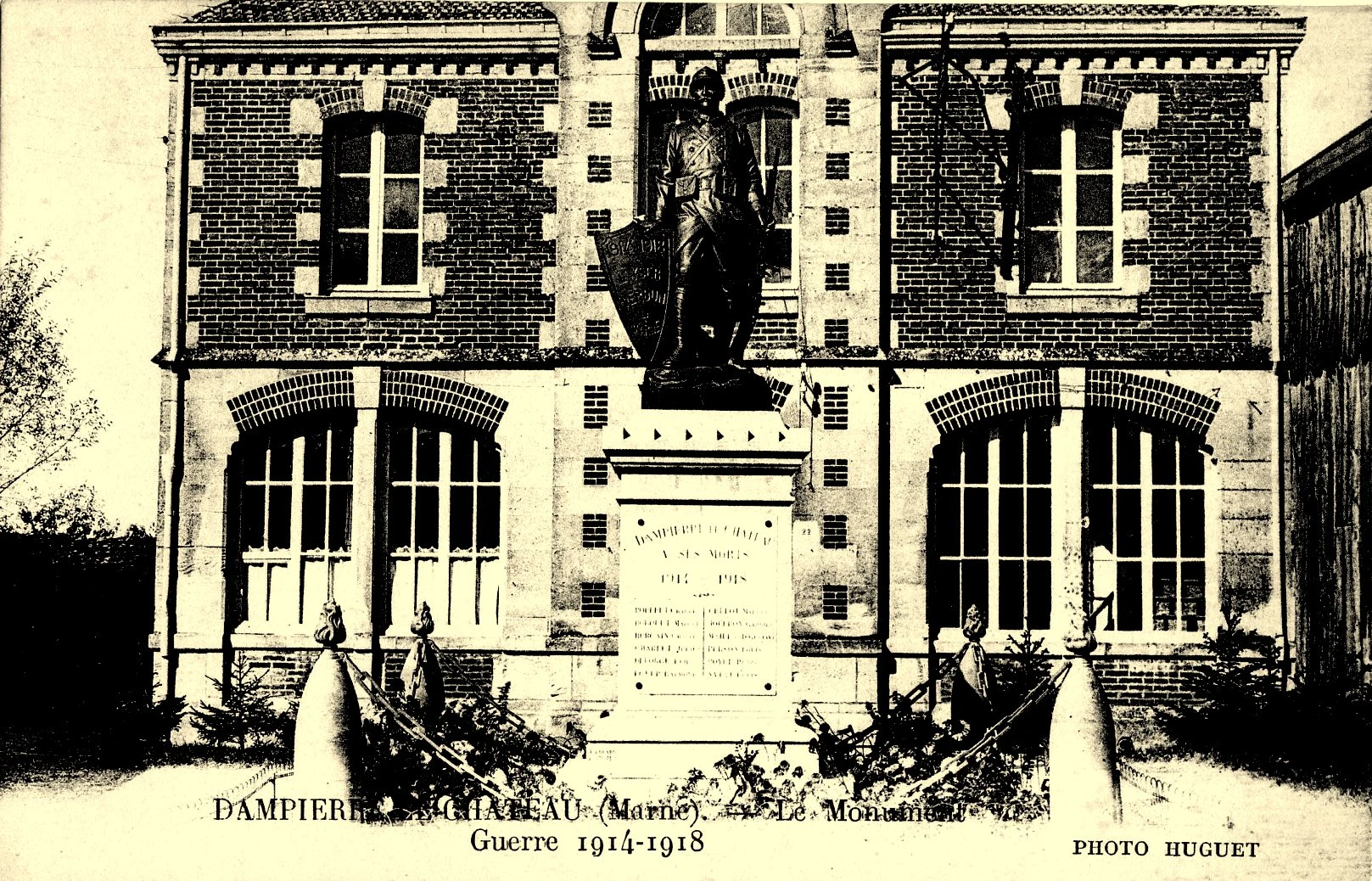
(details) The monument to the dead, in front of the town hall
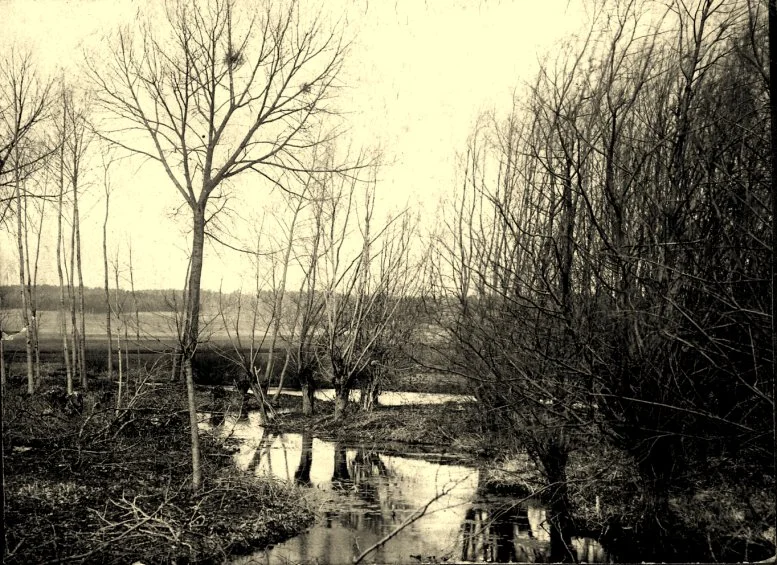
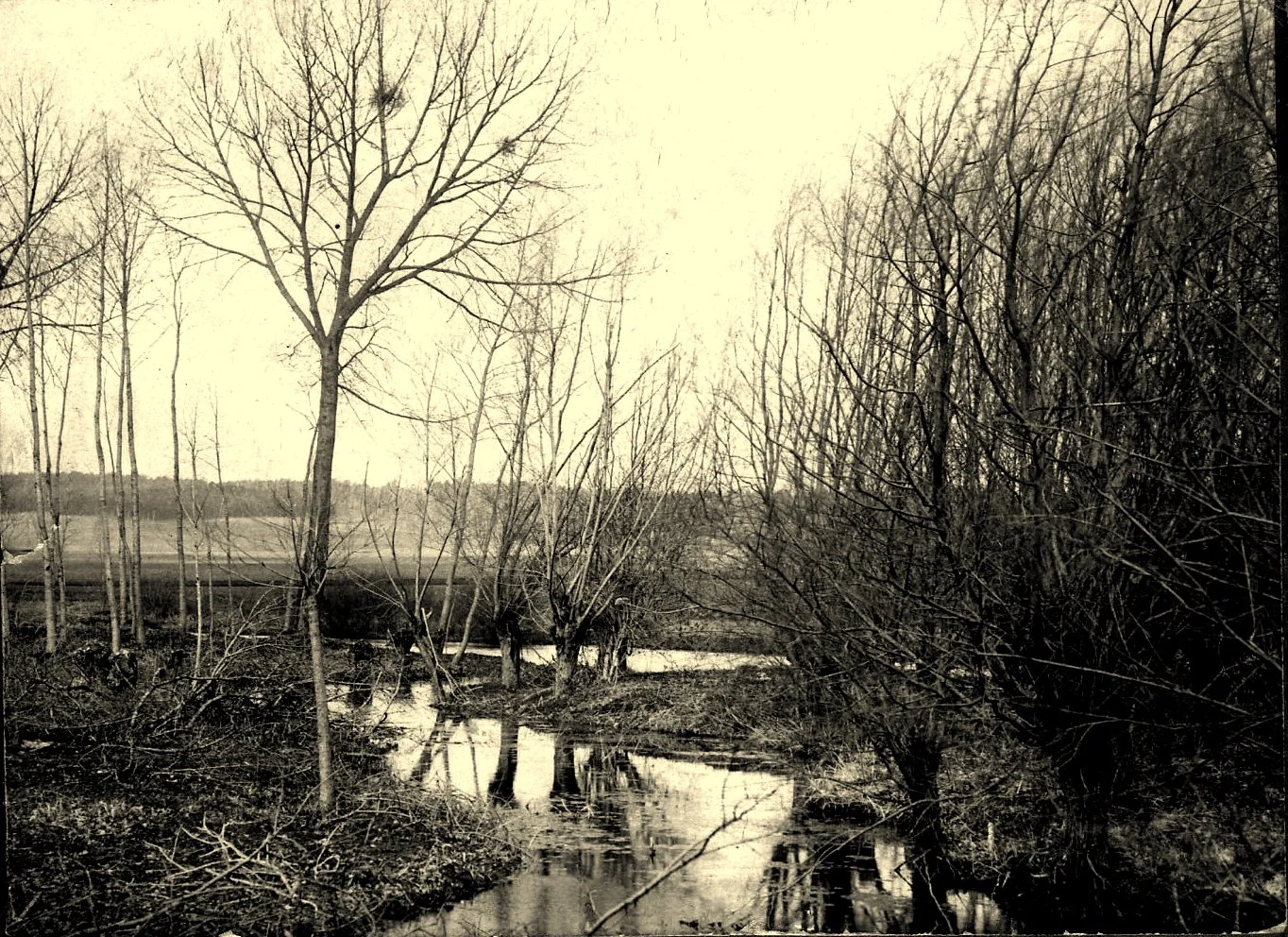
(details)
Landscape of the surroundings
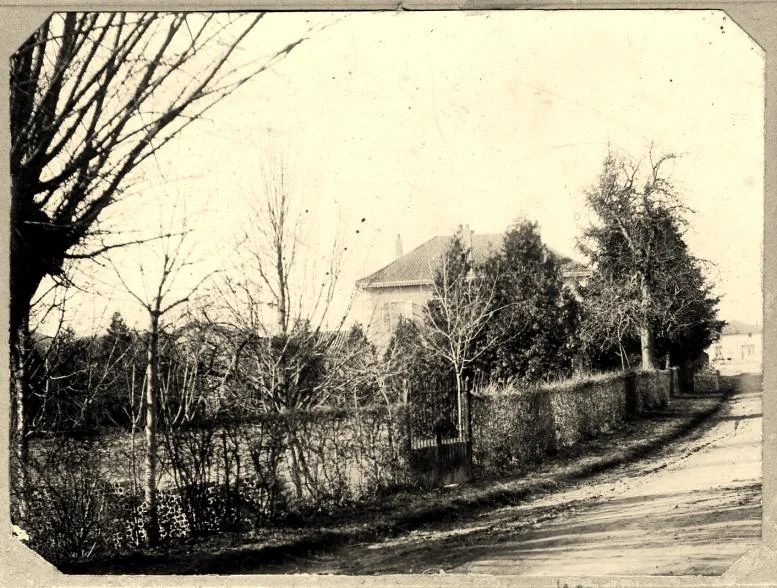
(details)
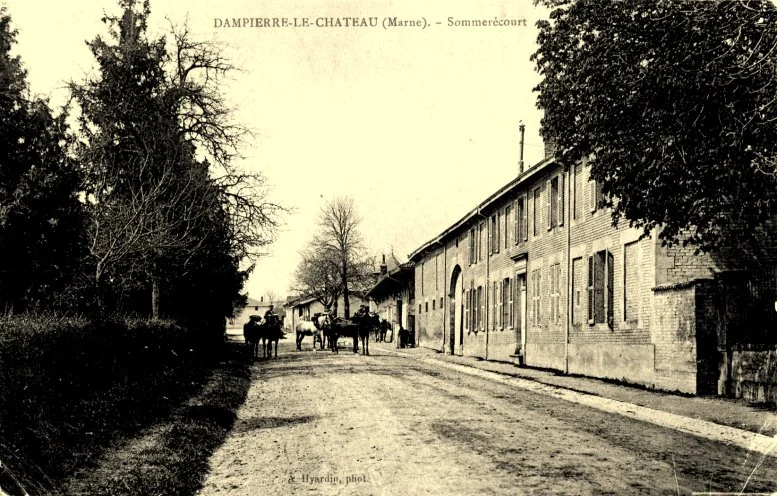
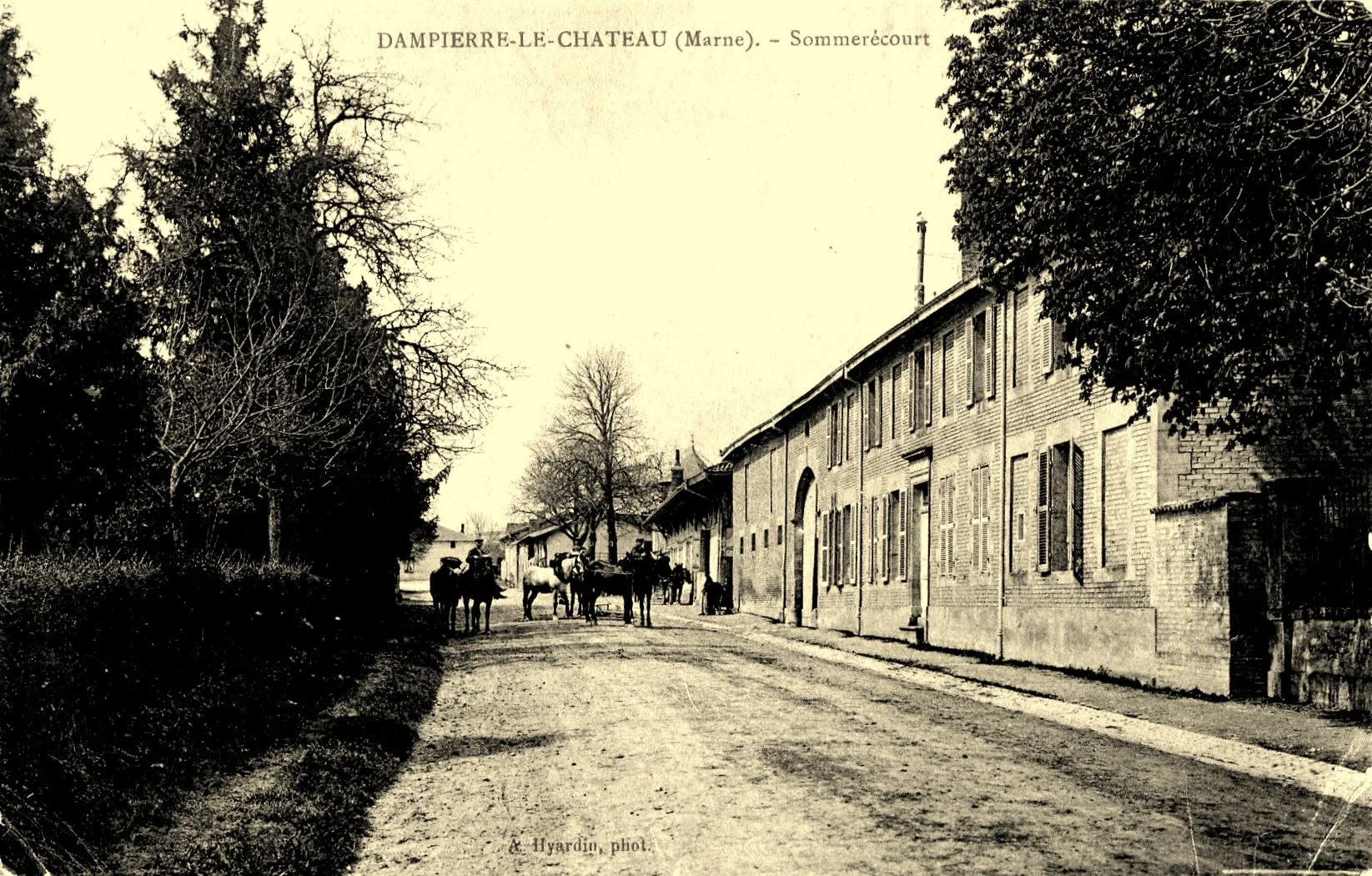
the rue de Sommerecourt with the house of the Charpentier on the left
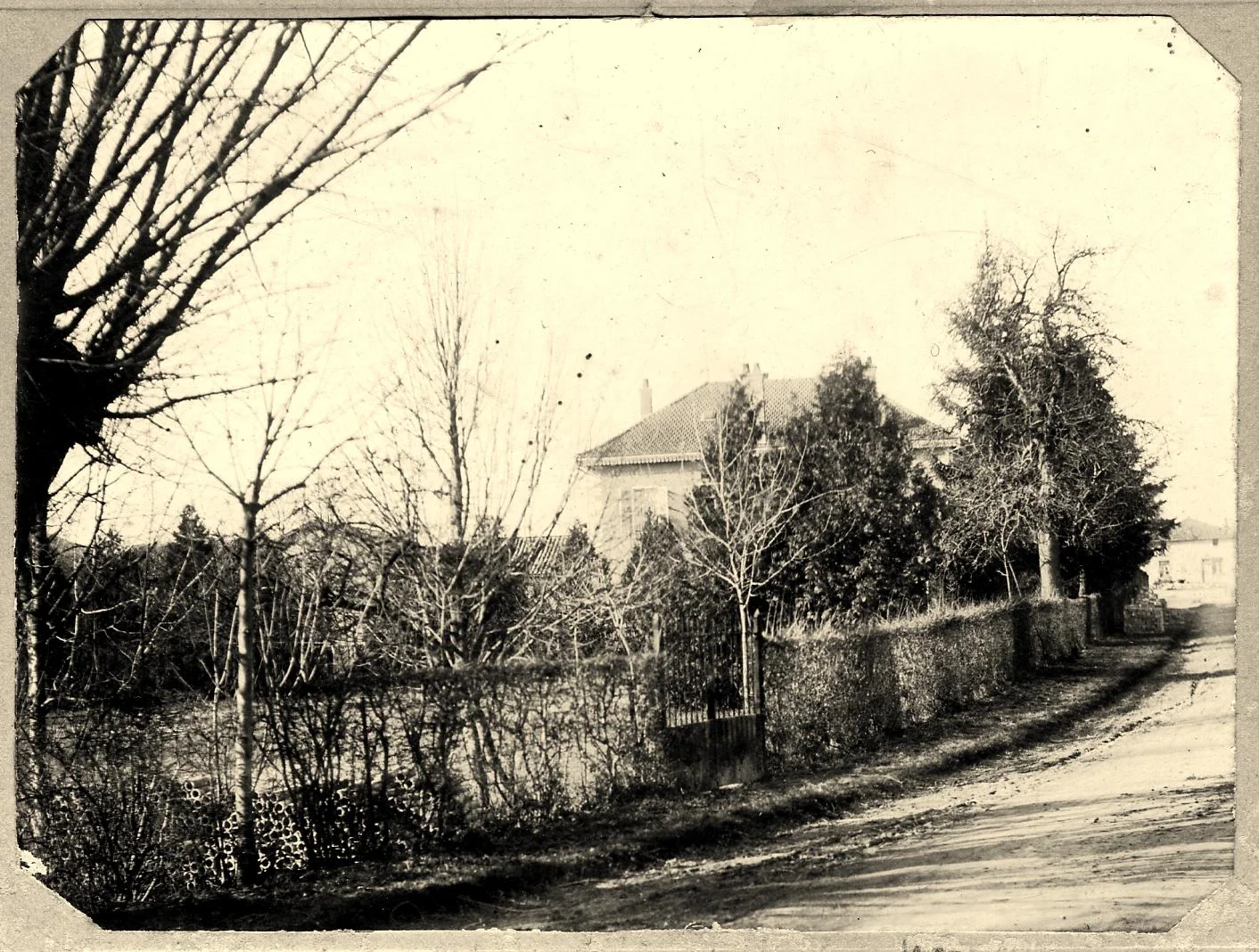
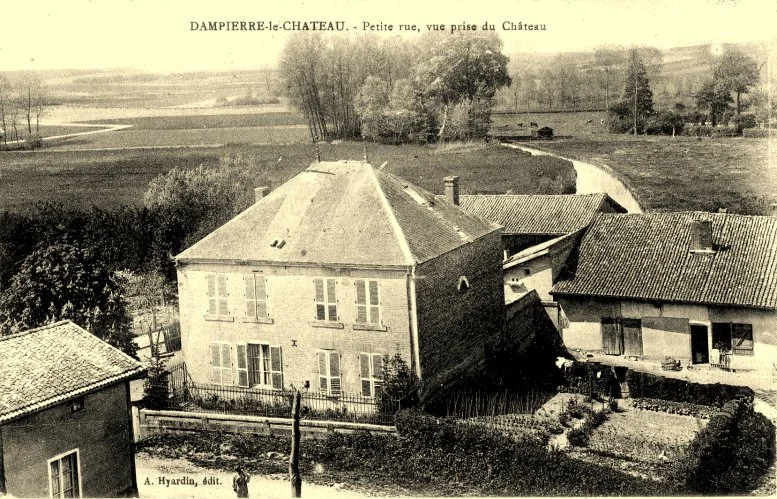
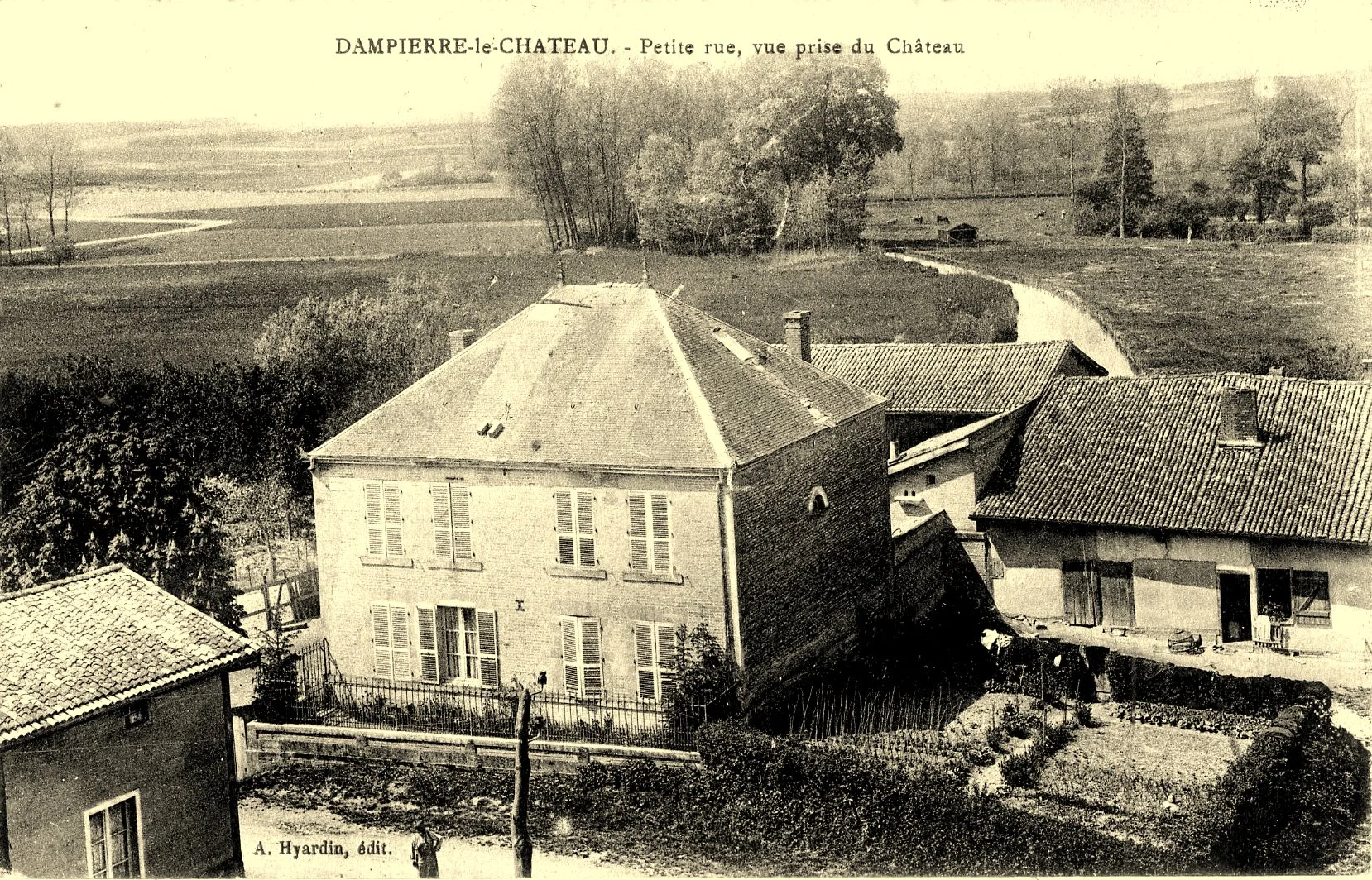
(details) View of the castle
(details)
Sommerécourt, on the left the property Charpentier
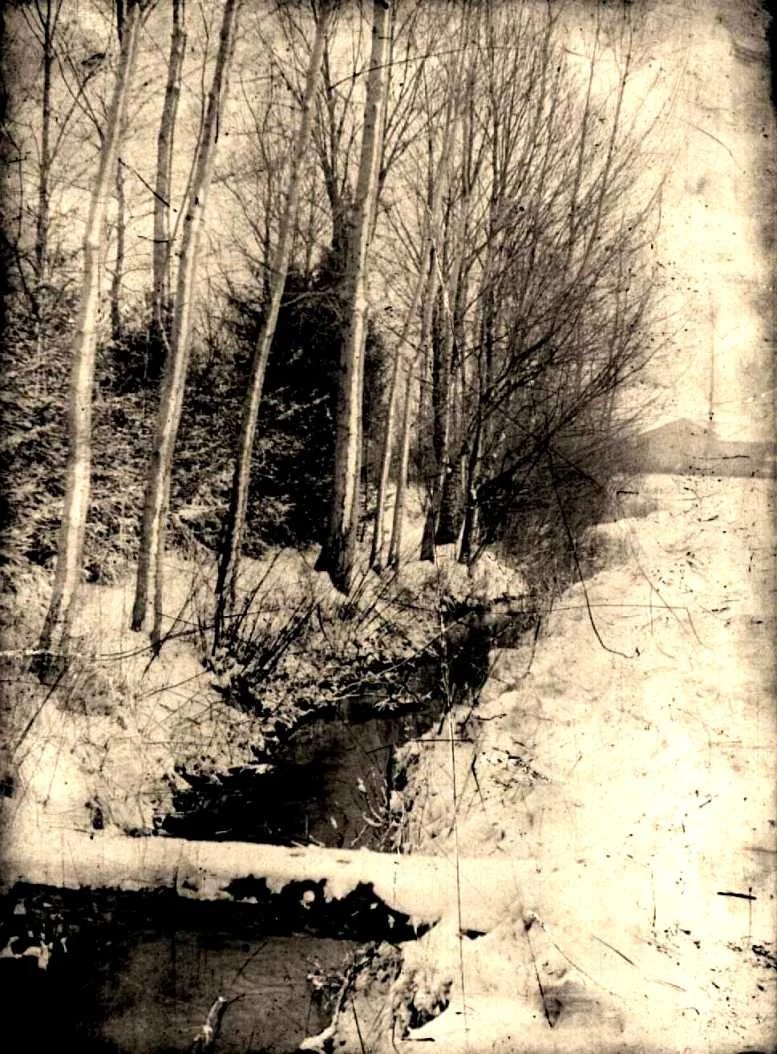
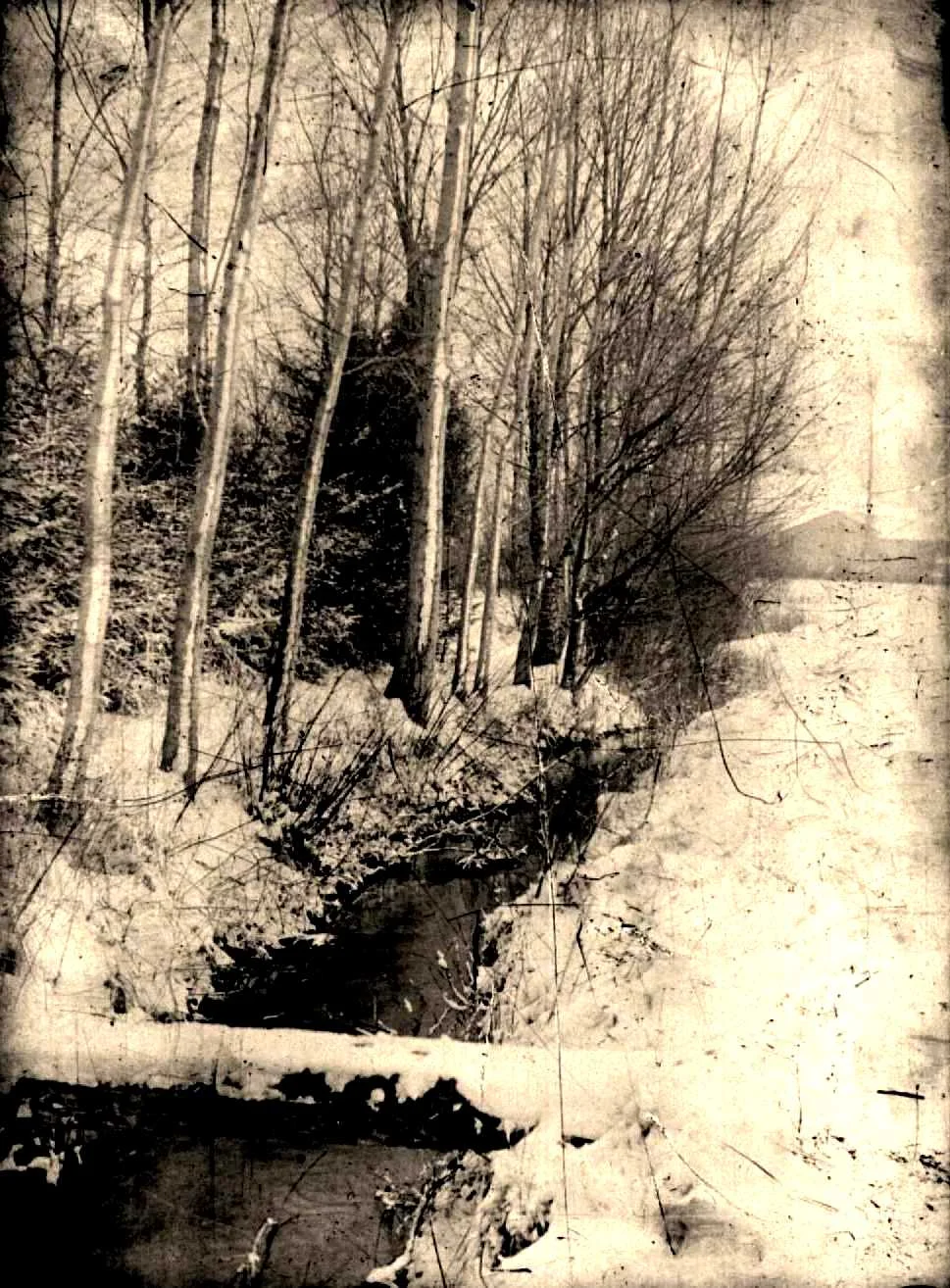
JCT068 -(details)- The Little Rouillat and the Snow, Dampierre January 1899
(details)
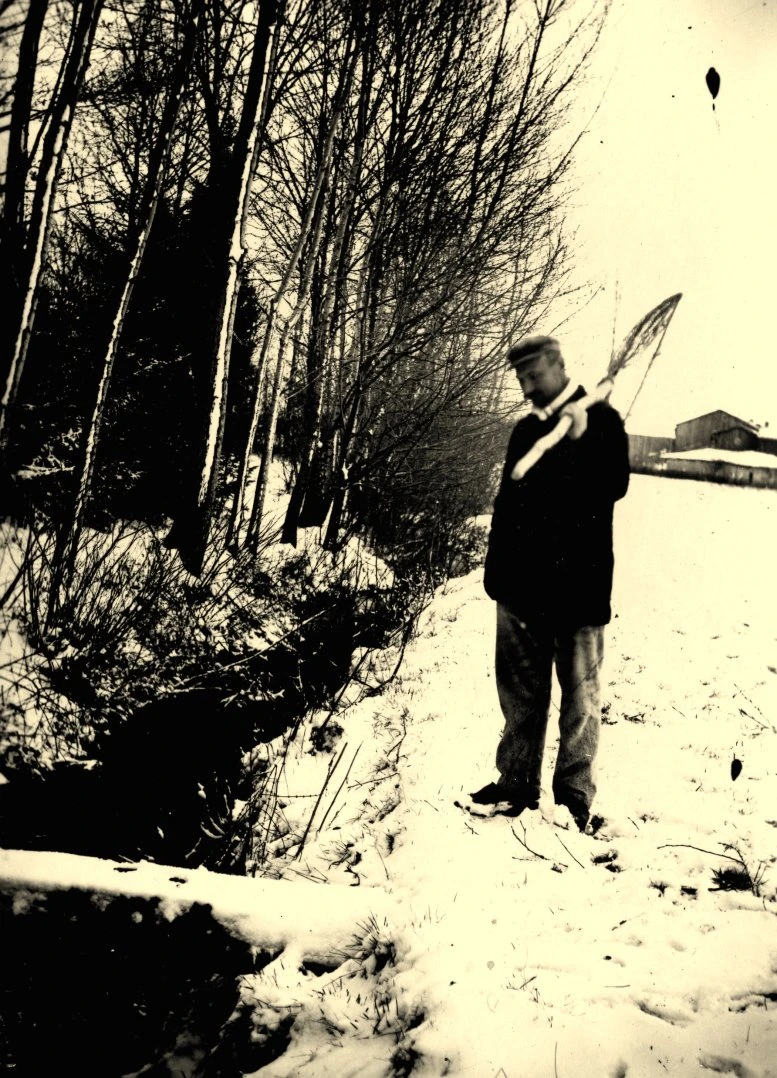
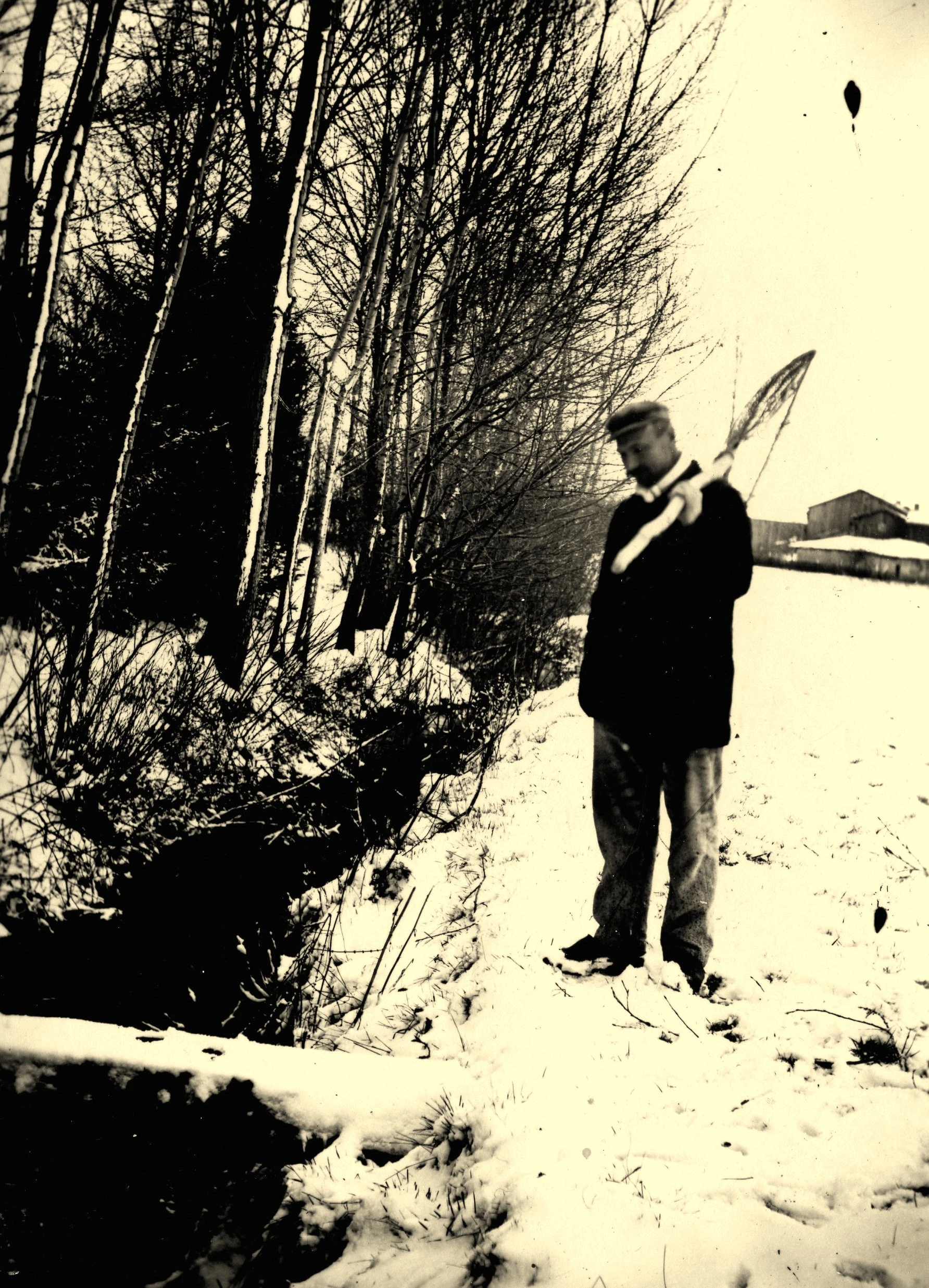
The cousin Michel "in front" at the edge of the Petit Rouillat, in the meadow, January 1899
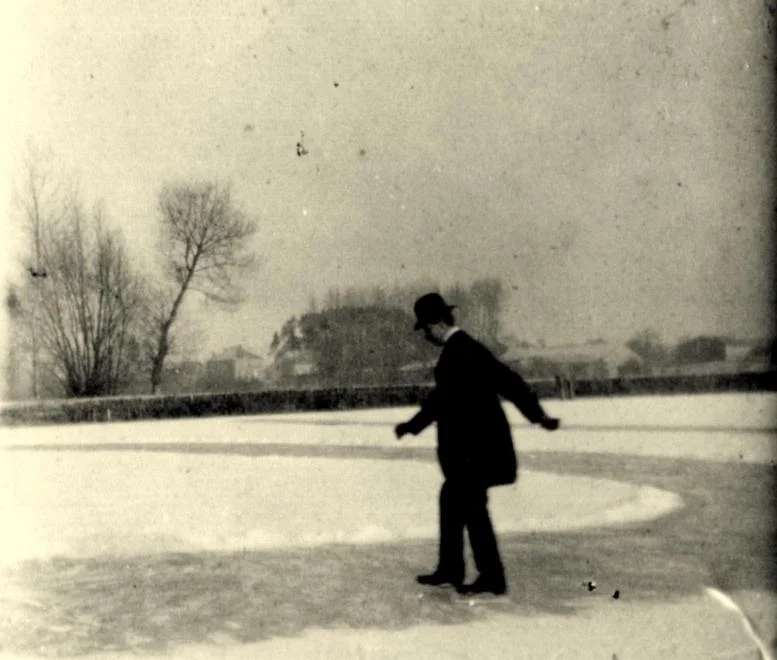
VM024 - Georges Maillet, on the frozen pond of Dampierre
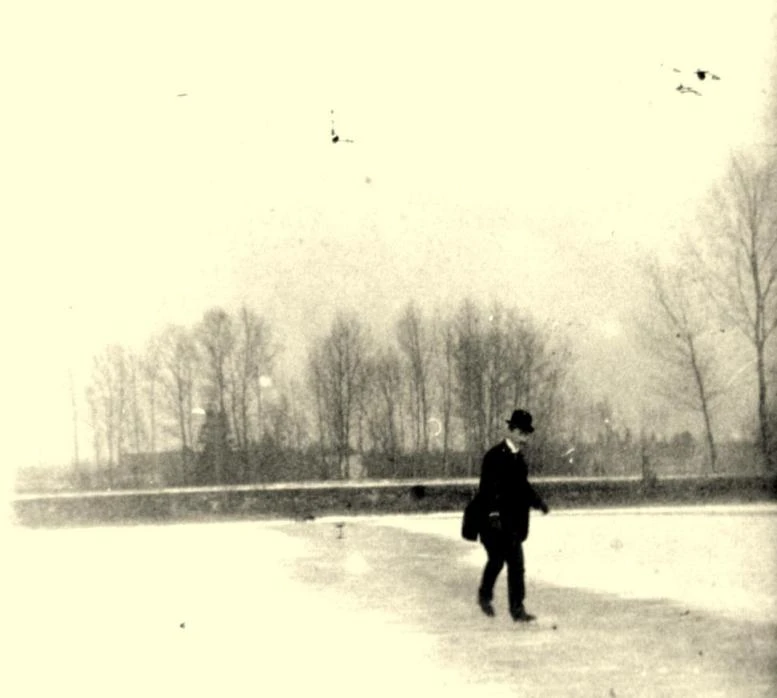
VM025
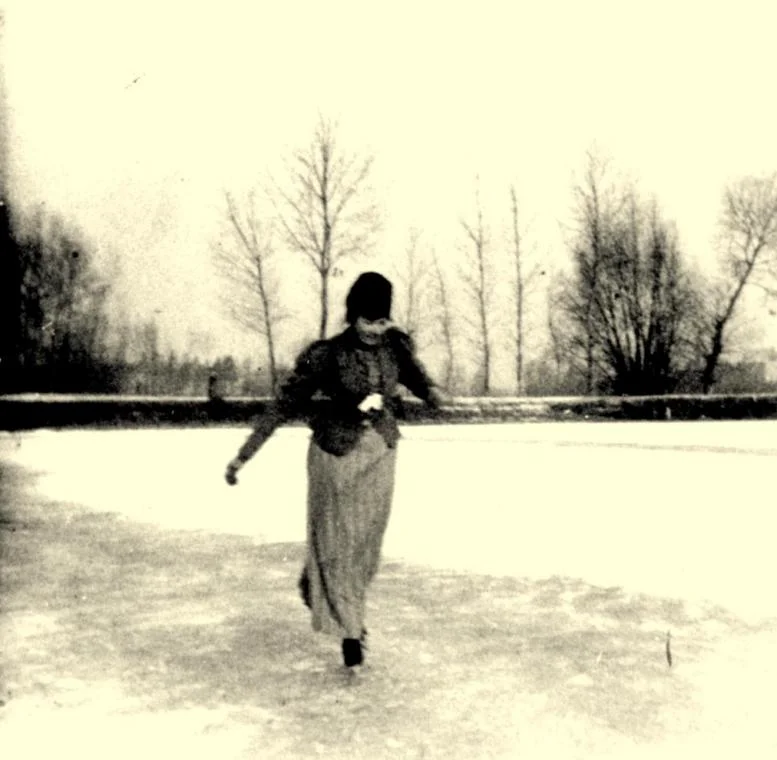
VM026 - Marguerite Maillet on the frozen pond of Dampierre
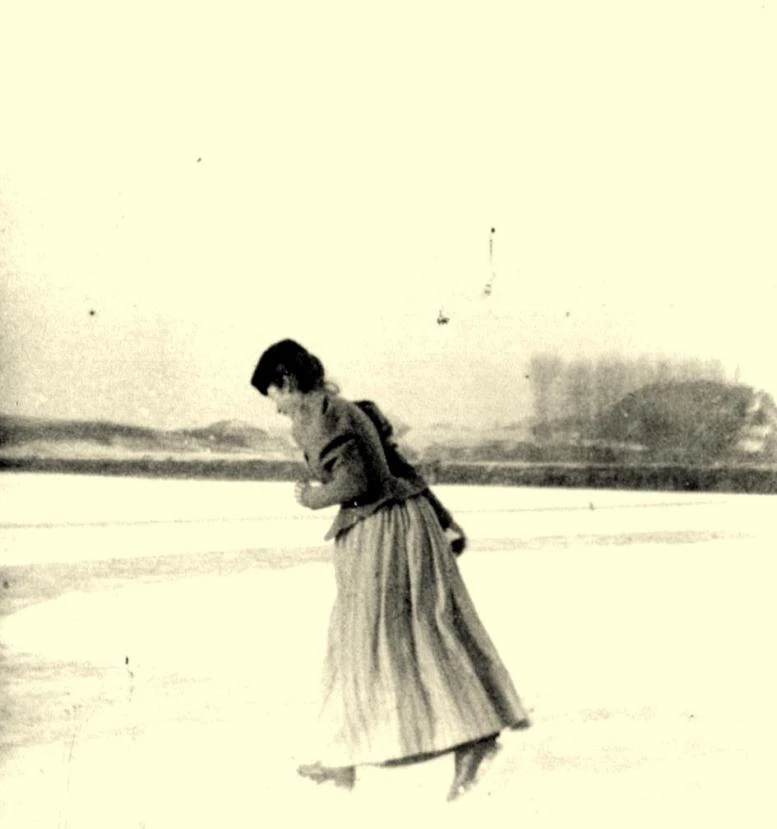
VM033